How Much Does a 40-Foot Shipping Container Cost?
The 40 ft container is the ultimate heavyweight champion of portable, on-site storage. with 2026 rental rates averaging $175 to $250 per month and purchase options ranging from $3,000 to over $6,500. With more than 320 square feet of floor space, it is big enough to secure the contents of a small warehouse, a contractor’s entire staging area, or the seasonal inventory overflow for a bustling retail business.
Unlike smaller 20-foot containers, which are the industry standard for residential moves, the 40-foot container shines in long-term commercial storage, job site workspaces, and large-scale industrial use. It delivers an incredible footprint of secure space at a fraction of the cost of renting traditional commercial flex units.
How Much Does a 40 Ft Shipping Container Cost in 2026?
When it comes to securing a 40-foot container, your total cost will depend on whether you are looking for a month-to-month rental or a permanent purchase. Below is the real-time market baseline for 2026.
2026 Price Breakdown
|
Transaction Type
|
Container Condition / Type
|
Average Cost Range (2026)
|
Best Used For
|
|
Monthly Rental
|
Standard or High Cube
|
$175 – $250 / month
|
Short-term projects, seasonal retail, temporary job sites
|
|
Purchase
|
Used (Wind & Watertight / Cargo Worthy)
|
$3,000 – $3,250
|
Bulk dry storage, equipment yards, tight budgets
|
|
Purchase
|
New / One-Trip (Standard)
|
$4,550 – $5,500
|
Long-term commercial assets, customer-facing sites
|
|
Purchase
|
New / One-Trip (High Cube)
|
$4,650 – $6,599+
|
Workspace conversions, extra headroom, forklift loading
|
Note on Delivery Fees: Moving an 8,000-pound steel structure requires specialized equipment, and while recent trucking cost increases in the PNW have slightly shifted overall rates, we keep our delivery pricing highly competitive. We provide your exact transportation cost completely upfront, guaranteeing absolutely no surprise fees when we drop off or pick up your box. Once your quote is locked in, what you see is exactly what you pay.
Not all 40-footers are built the same. Depending on your vertical storage needs, you will choose between a Standard height or a High Cube model.
- Standard 40 ft Container: Measures 40’ L x 8’ W x 8’6” H. This gives you just over 2,300 cubic feet of secure space.
- 40 ft High Cube (HC) Container: Measures 40’ L x 8’ W x 9’6” H. That extra foot of vertical headroom increases total volume by roughly 15%, making it the top choice for storing bulky machinery, constructing mobile offices, or operating a workshop inside.
Specialty Fleet Configurations
If your project requires more than standard cargo doors, specialty models are available by request:
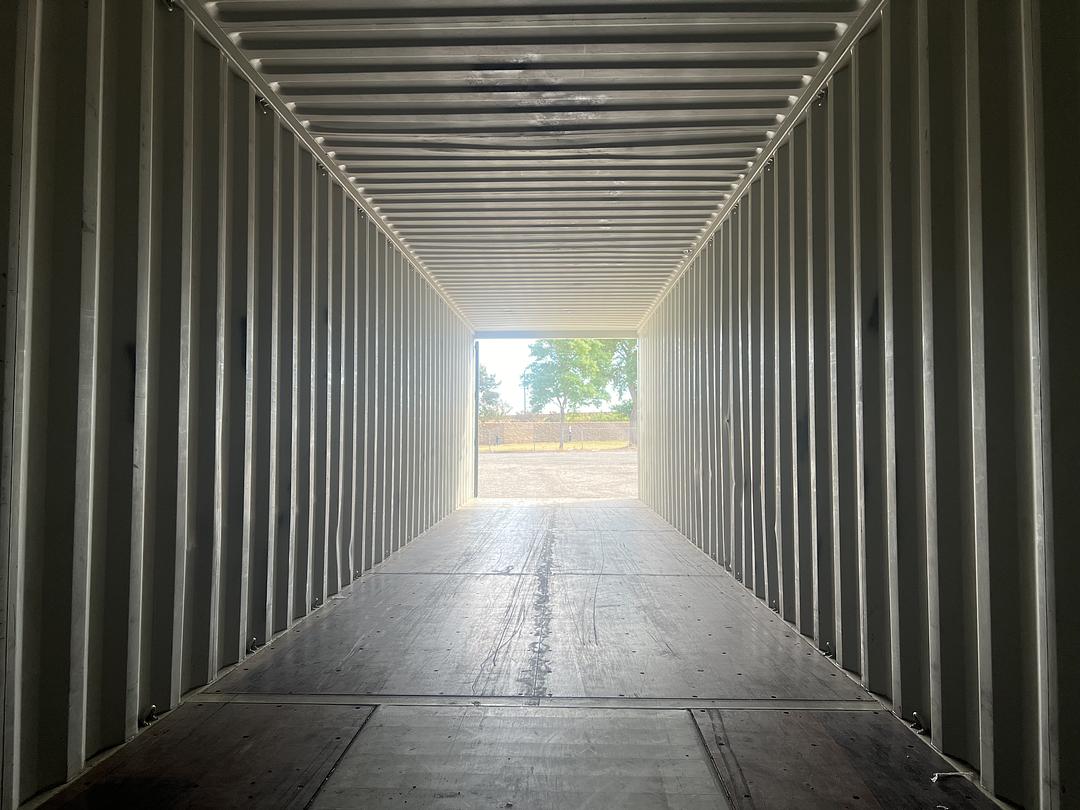
- Double-Door Containers: Feature full swing-open cargo doors on both ends, eliminating the headache of burying items at the back.
- Open-Side Containers: A premium, rarer option where an entire 40-foot side wall opens completely, perfect for side-loading oversized pallets with a forklift.
Rental Value: Double the Space for a Micro-Premium
If pricing isn’t clear upfront, it won’t get clearer later.
One of the greatest economic advantages of a 40-foot shipping container is its massive return on investment (ROI).
While a standard 20-foot container typically rents for $130 to $150 per month, upgrading to a 40-foot unit only shifts your budget to $180–$250 per month. In short: you get 100% more storage space for roughly a 30% to 50% price increase.
For small business owners, contractors, and agricultural operations, utilizing an on-site container completely bypasses the premium rates, strict lock-in leases, and overhead taxes associated with off-site warehouse rentals.
Pro Tip: Build Your Foundation First
With a 40 ft container, you get a massive 2,390 cubic feet (about 67 cubic meters) of storage space. However, unless you are loading pure steel or concrete, you will almost always run out of physical room long before you ever hit the container’s actual weight capacity.
The ultimate trick to maximizing this space is to pack your heaviest, bulkiest items flat on the floor first. This builds a rock-solid, low-profile foundation that prevents your items from shifting during loading and allows you to safely stack lighter inventory all the way to the ceiling.
Buying a 40 Ft Container: New vs. Used
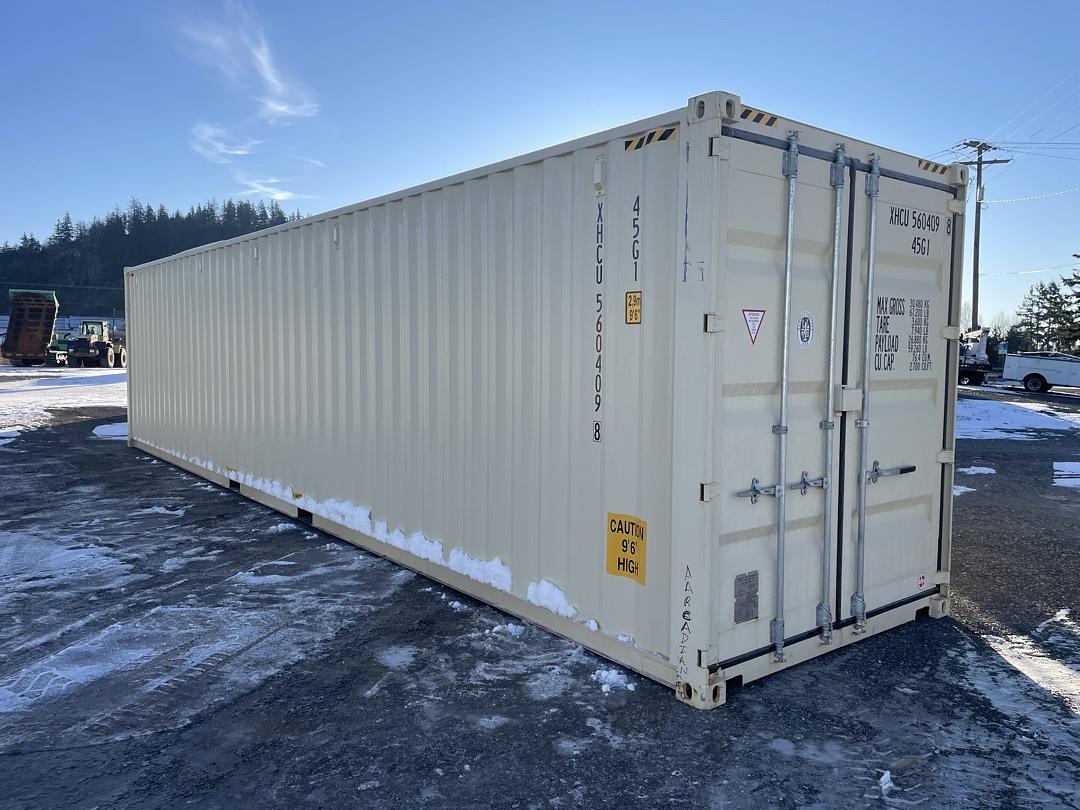
Choosing between a New (One-Trip) container and a Used (Wind & Watertight or Cargo Worthy) container comes down to three operational factors: frequency of access, what you’re storing, and aesthetic requirements.
- 2026 Investment Range: Typically ranging from $4,550 to $5,500 for standard models, and $4,650 to over $6,599 for High Cube setups.
- Effortless Access: Built with smooth-operating gear and modern, easy-open door handles that can literally be thrown open with one hand.
- Temperature Control: Factory-painted in light, reflective colors (like tan, gray, or beige) that typically keep the interior 10°F to 15°F cooler than darker, oxidized used units.
- Airflow & Longevity: Equipped with multiple built-in ventilation pockets to minimize internal condensation. With basic care, they boast a lifespan of 20 to 30+ years and retain excellent resale value.
- Mobility: Feature engineered forklift pockets for easier repositioning around large job sites.
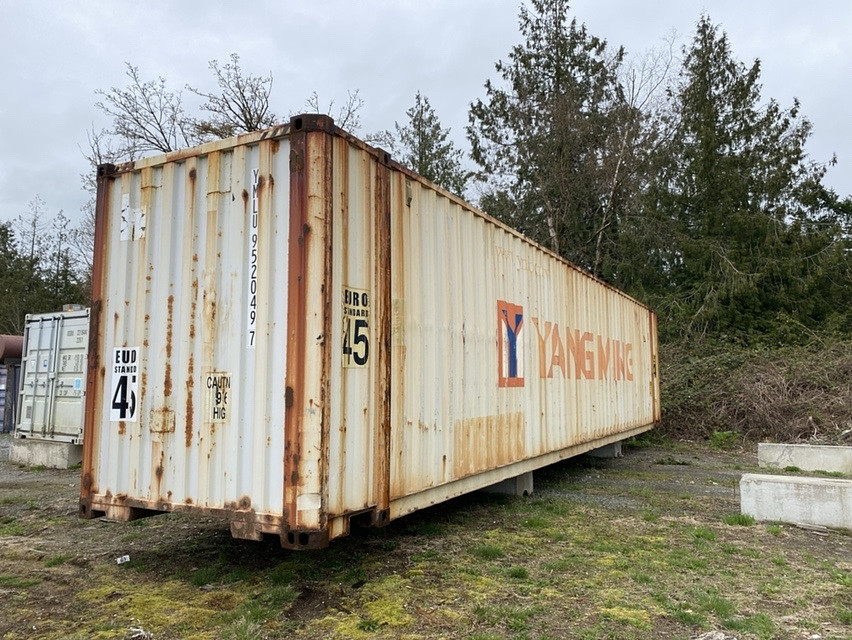
- Ultra Budget-Friendly: Unbeatable upfront savings, with pricing holding steady between $3,000 and $3,200.
- Cosmetic Character: Will display typical ocean-faring wear, minor surface rust, structural dings, and mismatched original shipping line colors (red, blue, green).
- Stiffer Operation: Door handles may require more physical leverage to latch and open.
- Best Used For: Bulk storage of tools, raw materials, or equipment where visual aesthetics and daily, repetitive access are not a priority.
Pro Tips Before Ordering Your 40 Ft Container
To ensure a seamless, surprise-free delivery of your 40 ft container, review this pre-delivery checklist:
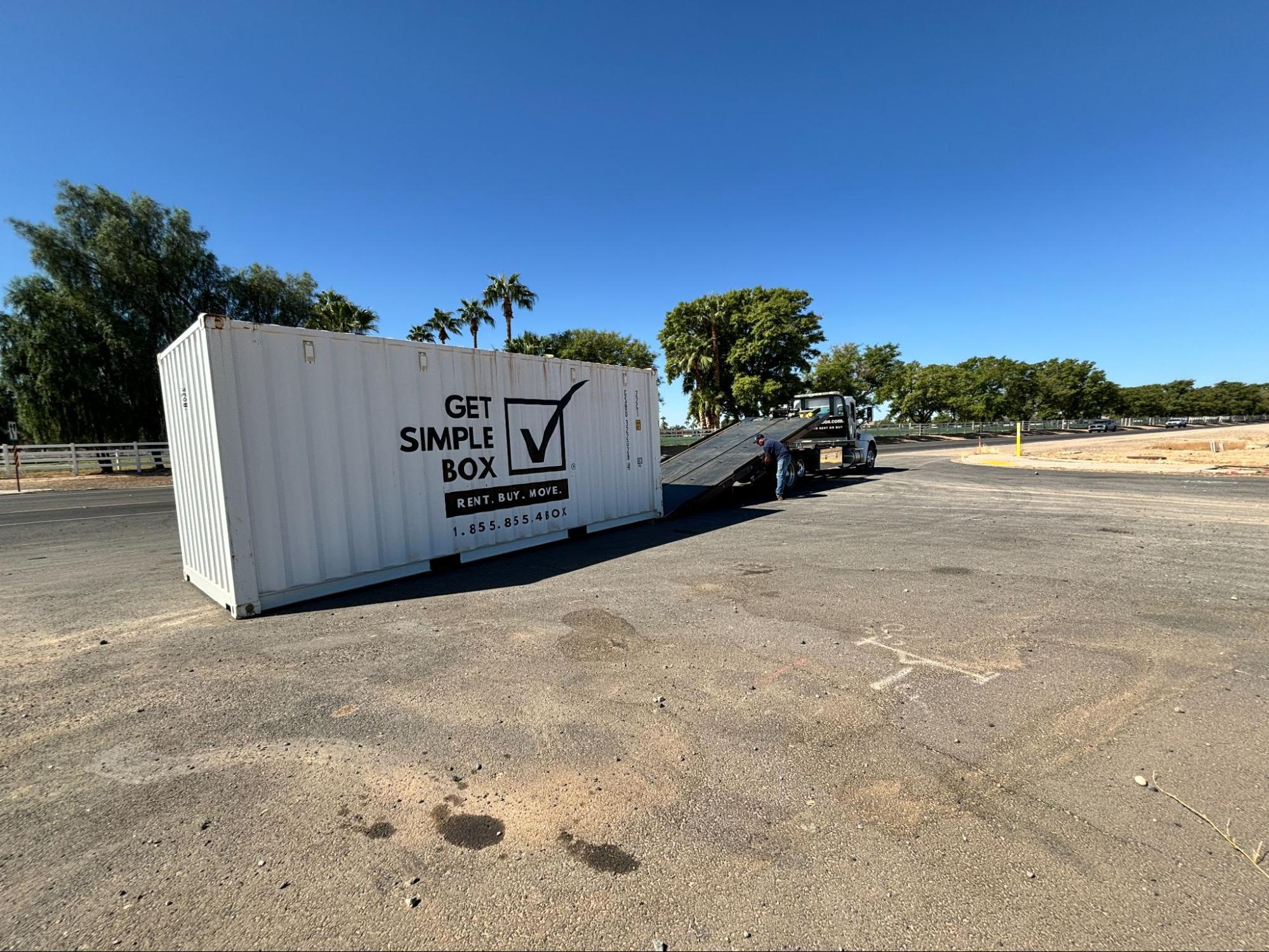
- Clear the Runway: A 40-foot container doesn’t just need 40 feet of space, the delivery truck requires at least 120 feet of straight, unobstructed clearance to back in, tilt the bed, and pull out from under the box.
- Inspect the Ground: Containers require a flat, firm surface. While they can sit directly on dry, level ground, placing wood blocks, railroad ties, or a gravel pad under the corners will prevent sinking and keep your doors perfectly aligned.
- Know the Lock-In Location: Once a 40-foot container is delivered, moving it without heavy industrial machinery is incredibly difficult. If you plan on moving your conex box later, ensure you order a model with forklift pockets or discuss relocation logistics with us beforehand.
Deliveries: Handling the Tight Spots
While having 120 feet of clear space is the ideal rule of thumb, having an experienced local driver on-site makes all the difference when your layout is less than perfect. Here is what Darren had to say after working with our PNW team at Get Simple Box in Lynden, WA:
⭐⭐⭐⭐⭐ “Get Simple Box was awesome! I got the 40 footer and had a tight spot to put it in. They went the extra mile for me and made it perfect. Thanks again. You guys are great!”
— Darren
Frequently Asked Questions about 40ft Containers
A standard 40 ft container has exterior dimensions of 40’ L x 8’ W x 8’6” H. The interior dimensions offer roughly 39’5” L x 7’8” W x 7’10” H, giving you just over 2,300 cubic feet of total storage space.
The only difference is height. A standard model stands at 8’6” tall, while a 40 ft High Cube container stands at 9’6” tall. This extra foot of vertical headroom yields about 15% more total storage volume, making it ideal for tall equipment, stacking pallets, or ventilation clearings in workspace conversions.
On average, a 40 ft container rents for $180 to $250 per month, depending heavily on your geographic location, seasonal demand, and specific fleet availability.
To safely drop off a container of this size, the delivery truck requires a minimum of 120 feet of straight, clear, and unobstructed space to back in, tilt the trailer bed, and pull out from underneath the unit. The ground must be level, firm, and free of low-hanging tree branches or power lines.
Renting is best for short-term projects, seasonal business inventory, or temporary construction job sites where you want low monthly overhead and hassle-free pickup when finished. Buying is a better financial asset investment if you plan to keep the container on-site for more than two years, require extensive custom modifications, or need a permanent workspace.
Is a 40 Ft Container Right For Your Project?
For reliable, heavy-duty weather protection under $250 a month, the 40-foot shipping container offers unmatched spatial value. Whether you choose the cost-efficiency of a verified used unit or the structural longevity of a clean one-trip High Cube, you are investing in a secure fortress for your assets.
At Get Simple Box, we don’t believe in high-pressure sales tactics or hidden, back-end line items. Our local teams are dedicated to helping you find the exact footprint that fits your project parameters seamlessly.
Connect with your local Get Simple Box branch today for a transparent, fast delivery quote.