Buying New vs. Used Shipping Containers: Why 1-Trip is Usually the Better Choice
If you are actively researching the best storage solutions for your property, you’ve likely found yourself stuck in the classic debate: new vs used shipping container. Recently, a discussion in a popular Facebook group for shipping container builds perfectly highlighted the exact frustration buyers face.
Members were sharing wild stories of dealerships charging up to $6,000 more for a new “1-trip” container compared to an 18-year-old, rusty “cargo-worthy” box. It’s no wonder so many people feel priced out and settle for a used container that at times may require weeks of sanding, painting, and roof repairs! But the truth is, a lot of hardworking buyers are falling victim to bait-and-switch pricing. Let’s clear up the online misinformation, look at the real numbers, and explore why investing in a new 1-trip container is almost always the smarter, stress-free choice.
What is the real difference between buying a new 1-trip shipping container and a used cargo-worthy box? While used Cargo Worthy (CW) containers have a slightly lower upfront price, new 1-trip containers are almost always the better long-term investment. The true wholesale price difference is usually only $1,000–$1,200. Investing in a 1-trip container saves buyers significant time, stress, and money by eliminating the need for rust repair, fresh paint, and door realignments, while providing a flawless look for your property.
Comparison: 1-Trip vs. Cargo Worthy Conex Boxes
To make your decision easier, here is a quick breakdown of exactly what you are getting when comparing a new vs used shipping container side-by-side. Seeing the details laid out helps clarify why the upfront savings of a used box might not be worth the long-term hassle.
Feature | 1-Trip Container (New) | Cargo Worthy Container (Used) |
Aesthetics | Pristine, fresh paint, no structural rust | Faded logos, surface rust, visible dents |
Door Mechanics | Smooth, aligned, easy to open | Often stiff, out-of-square, requires leverage |
Floor Condition | Clean, untouched marine plywood | Worn, potential chemical/cargo spills |
Hidden Prep Costs | $0 (Ready to use instantly) | $500 – $800+ (Paint, primer, rust removal) |
Best Used For | Clean property storage, modifications | Remote agricultural storage, messy equipment |
Ultimately, a 1-trip container is a ready-to-use solution that protects your property’s aesthetic, whereas a used container is often a DIY project disguised as a bargain.
The Myth of the Massive Price Gap
When buying a shipping container, many people settle for an older unit simply because they believe a new one is wildly out of their budget. We see this exact frustration in online groups and Facebook discussions all the time, buyers reporting that a local container dealer or online broker is quoting them $3,000 to $6,000 more for a 1-trip container compared to an 18-year-old used one. When comparing a new vs used shipping container, a price gap that large is a huge red flag.
Here is what is really happening behind the scenes:
- The Reality of the 1-Trip vs Cargo Worthy Cost: The actual wholesale cost difference between a well-used “cargo-worthy” box and a pristine, factory-fresh 1-trip container is rarely more than $1,000 to $1,200.
- The Bait-and-Switch Tactic: Why the massive markups? Unfortunately, some brokers artificially inflate the one-trip shipping container cost specifically to push you toward their older, cheaper inventory. Because they bought those used boxes for much less, they make a much higher profit margin on them, so they intentionally price the new ones out of your reach.
- Transparent Pricing: You shouldn’t be forced into buying a rusty project just because a broker wants to offload their old stock. At Get Simple Box, we believe in fair, logistics-based pricing. We pass the true value directly to you, ensuring you have transparent numbers to make the best decision for your property.
The Hidden Costs of “Cargo Worthy” Containers
When weighing the pros and cons of a used shipping container vs new, it is completely understandable to want to save a thousand dollars upfront. If you are looking for basic agricultural storage in the middle of a field where cosmetics don’t matter, a beat-up box might do the trick. However, for most homeowners and business owners, those initial “savings” quickly vanish under the weight of hidden expenses.
When you buy a used container that has spent 15+ years on the open ocean, you aren’t just buying “character”, you are buying a labor-intensive project.
1. The Cost of Time and Labor
Sanding down deep-seated rust and prepping industrial, marine-grade steel is a grueling process. It often takes days of specialized prep work before a single drop of paint can even touch the metal. Most people find that the 1-trip vs cargo worthy cost gap is much smaller than the value of their own lost weekends.
2. High Material Expenses
To properly protect an older unit, you can’t just use standard house paint. You need high-quality industrial primer and specialized exterior coatings to prevent further corrosion. Between the paint, rollers, and equipment rentals, you can easily expect to spend $500 to $800 just on materials, shrinking that price gap even further.
3. The “Significant Other” Factor
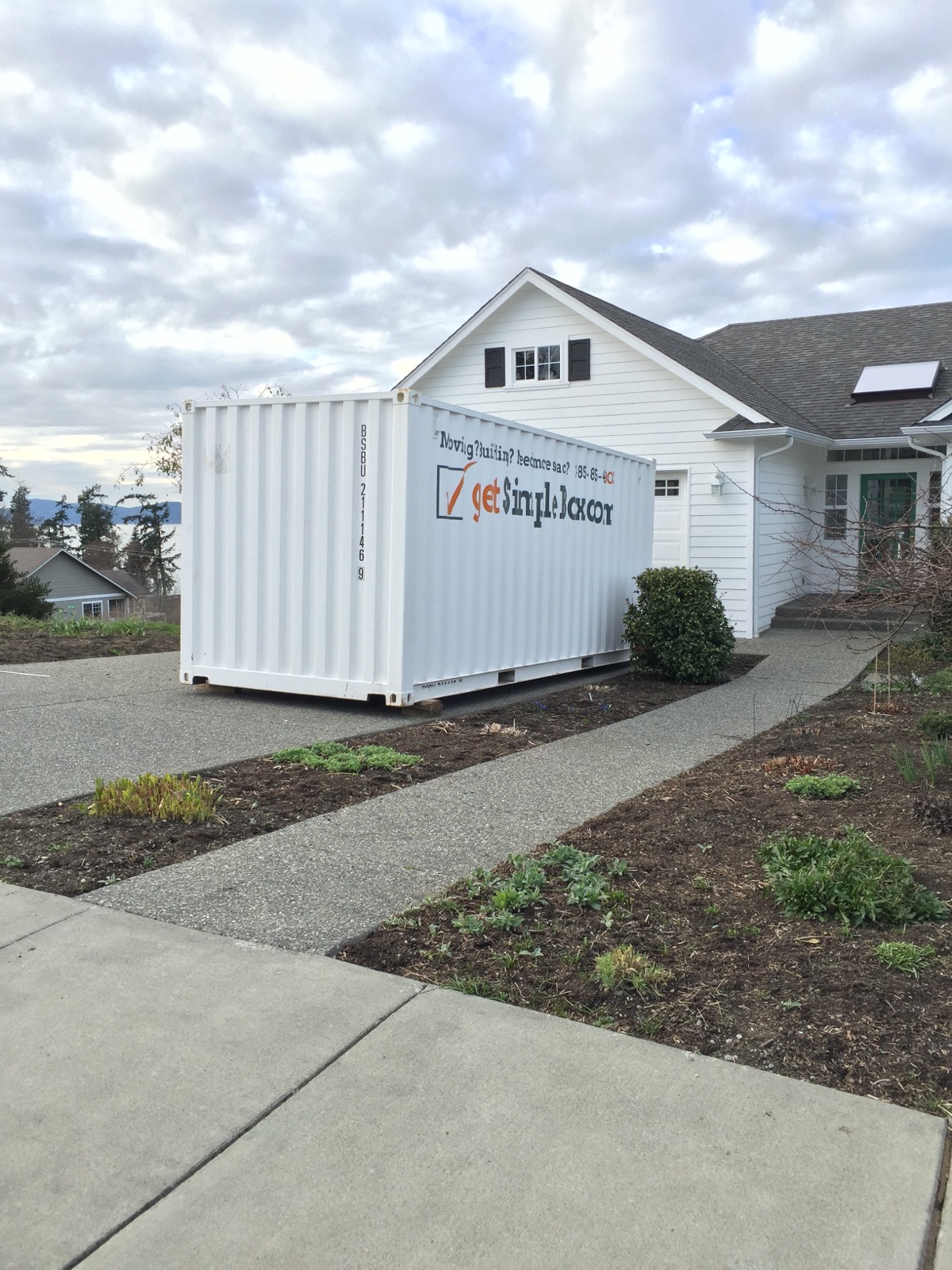
We hear it from our customers all the time: their spouse or neighbor simply does not want to look at a rusty, dented, “battle-scarred” metal box in the driveway or backyard. A new 1-trip container arrives like a “shiny penny”, clean, professional, and ready to blend into your property without an argument.
4. Structural Reliability
Older units often suffer from “out-of-square” frames, making the doors difficult to open and close. When buying a shipping container, you’re paying for security and ease of use. If the door seals are dry-rotted or the floor has 20 years of mystery spills from international cargo, you aren’t just losing money, you’re losing peace of mind.
Pro Tip: Always ask the dealer for the container’s Year of Manufacture (YOM). True 1-trip containers are usually less than 1 to 2 years old. If a broker tries to sell you a 5-year-old box disguised as “1-trip,” you are likely dealing with a bait-and-switch.
Why Buying a 1-Trip Container Wins
Choosing a new 1-trip container means you get to skip the frustrating repairs and immediately focus on what matters: utilizing your new space. When comparing a used shipping container vs new, the benefits of going new extend far beyond just aesthetics.
- Perfect Mechanics:
- You get an undamaged, perfectly squared-up unit. This means the heavy steel doors open and close smoothly without the need for a crowbar or extra muscle.
- Flawless Seals:
- Brand-new, factory-fresh rubber gaskets keep out wind, water, and pests entirely, ensuring your valuable contents stay dry and secure.
- Solid Floors:
- Enjoy clean, untouched flooring without worrying about 15 years of mystery chemical spills, structural rot, or heavy forklift wear from international ports.
- Maximum Capacity (The Get Simple Box Advantage):
- As a quick FYI, not all containers are created equal. Many of our Get Simple Box containers feature specific, upgraded dimensions (such as being 8.5′ wide instead of the standard 8′). This provides up to 33% more interior capacity than standard competitor boxes, giving you significantly more room for inventory, tools, or household goods without expanding the footprint on your property.
- Ready for Customization:
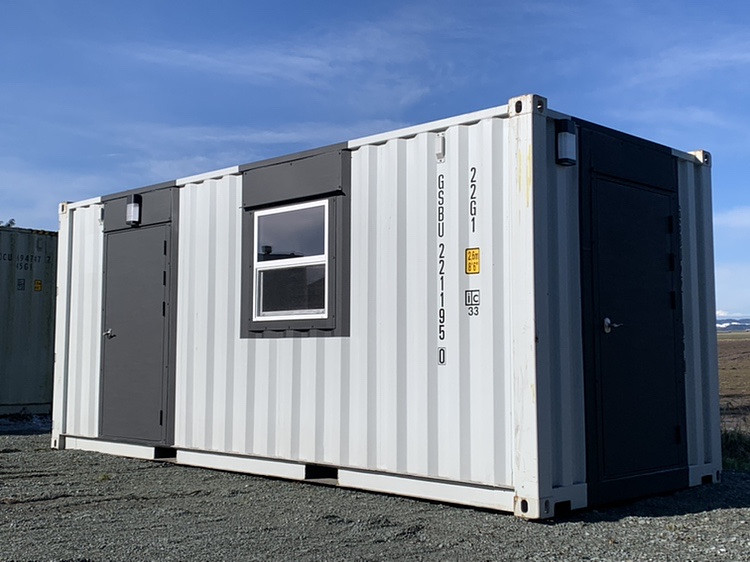
• • A pristine 1-trip unit is the perfect blank canvas for container modifications. Whether you want to add roll-up doors, windows, HVAC, or custom shelving, starting with a straight, rust-free frame ensures the build is structurally sound. (Note: We offer our expert modifications exclusively on purchased units, as permanent structural changes cannot be made to rentals. Check out our Modifications Guide for inspiration!)
Stress-Free Shipping Container Delivery
A great price on a container means nothing if getting it to your property turns into a logistical nightmare. When you buy from a massive online broker, you almost always end up dealing with anonymous, third-party drop-shippers who just want to dump the box and leave.
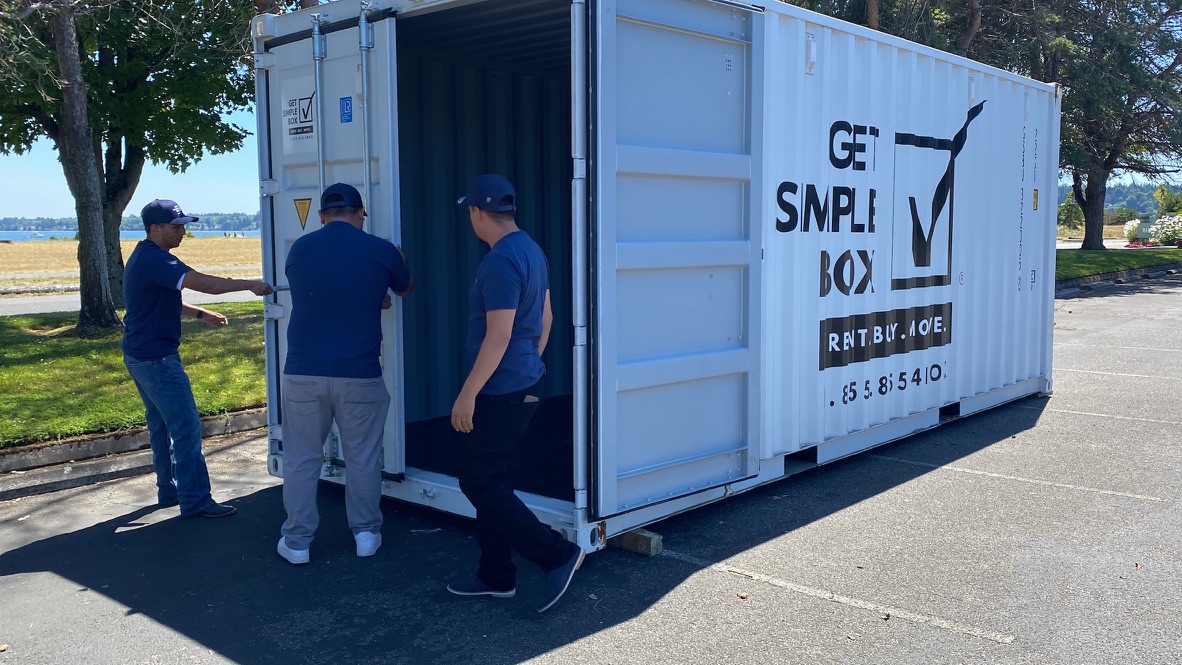
As your dedicated local container dealer, Get Simple Box does things differently. We handle our own shipping container delivery using our specialized trucks and highly trained, local drivers. We communicate with you directly and take the time to gently place your container right on your prepared pad, exactly where you need it.
We proudly operate multiple depots and delivery yards across Washington, Oregon, California, and Arizona. Whether you are looking for secure farm storage in the Pacific Northwest or a customized workspace in the desert Southwest, we have a local team ready to guide you.
Customer Story: Skipping the “Project”
Don’t just take our word for it. We recently worked with a customer who was caught in this exact dilemma:
“I originally was going to buy a used ‘cargo worthy’ box from an online broker because they told me a new one would be $4,000 more. I called Get Simple Box just to check, and their 1-trip container was only slightly more than the rusty used one the other guy was pushing! It arrived looking brand new, the doors open with one hand, and my wife is thrilled it doesn’t look like an eyesore in our driveway. Highly recommend.” – Recent Get Simple Box Customer
Frequently Asked Questions About New vs Used Shipping Containers
A 1-trip shipping container is essentially a brand-new unit that has made only a single cargo voyage from its manufacturing plant overseas to your local container dealer. Because it hasn’t spent decades in a harsh marine environment, it arrives in pristine condition with perfect doors, seals, and floors.
The true wholesale 1-trip vs cargo worthy cost difference is typically only $1,000 to $1,200. If an online broker quotes a massive $3,000 to $6,000 price gap, they are likely inflating the cost of the new unit artificially to push you toward their older, higher-margin used inventory.
Are used “cargo worthy” containers still waterproof?
While reputable dealers ensure used cargo-worthy containers are wind and water-tight at the time of sale, their older rubber door seals and aging roofs are much closer to failing than those on a new unit. Choosing a new vs used shipping container guarantees factory-fresh gaskets that offer decades of complete protection from weather and pests.
Yes, permanent container modifications, such as adding custom man-doors, windows, HVAC, or structural shelving, can only be performed on containers that you purchase and own.
Yes, having a level site is crucial for a successful shipping container delivery. You will need a firm, flat surface, such as a gravel pad, concrete footings, or compacted dirt, to ensure the container remains perfectly square so the heavy steel doors can open and close smoothly.
Ready to Find Your Perfect Container?
Don’t settle for an overpriced rust bucket or fall for bait-and-switch pricing. You deserve a secure, clean, and spacious container that protects your valuables and looks great doing it.
Explore your container options today! Check out our current inventory of 1-trip containers and see the Get Simple Box difference for yourself.