Shipping Container Ventilation in Coupeville, WA: Defeat Maritime Moisture & Summer Heat
Quick Summary:
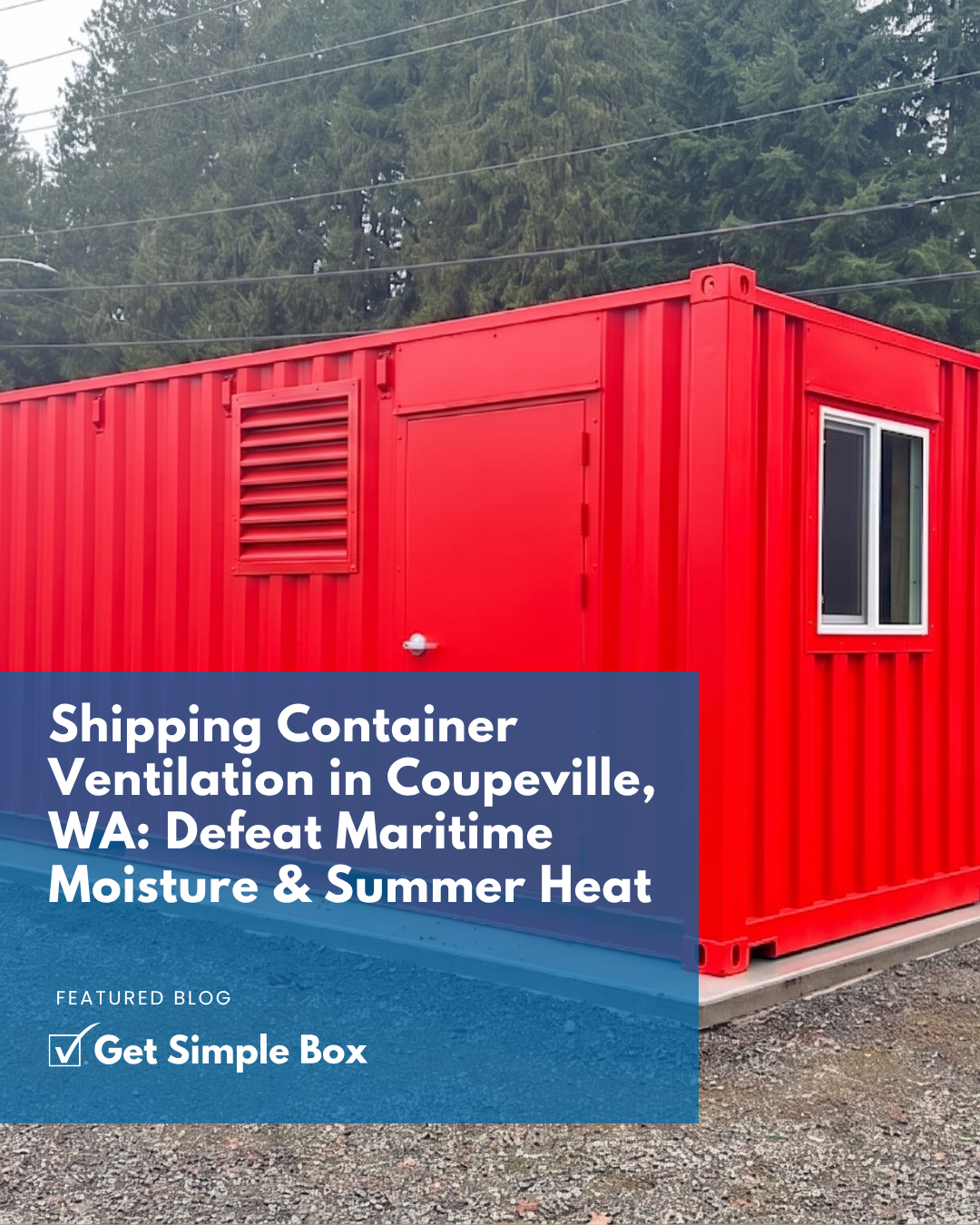
Adding proper ventilation through shipping container ventilation in Coupeville, WA is the single most effective modification you can make for your box. Whidbey Island’s damp sea air creates “container rain” and trapped heat inside sealed steel boxes. Installing a ventilation system, such as high-low wall storage container vents ($150 installed) or a solar exhaust fan, keeps fresh air moving so tools, farm gear, and commercial inventory stay dry. Note: Permanent modifications apply only to purchased containers. Delivered direct from our local Burlington yard!
Living and working around Coupeville means dealing with coastal moisture, damp Penn Cove mornings, and bright summer sun. Heavy-duty Corten steel box units provide maximum security, but because they are airtight by design, they naturally trap humid air and solar heat.
Without effective shipping container moisture control, trapped marine air creates dripping ceiling condensation that rusts tools, rots wooden furniture, and mildews cardboard boxes. Installing proper shipping container ventilation in Coupeville, WA removes damp air before it can damage your temperature sensitive goods. Here is everything you need to know about picking the right setup for your Whidbey Island property.
Why Every Steel Container on Whidbey Island Needs Ventilation
A sealed steel box traps two main forces: moisture from Whidbey’s marine air and heat from summer sun exposure. Proper ventilation removes humid air before it condenses and exhausts trapped heat.
Two continuous forces work against a sealed container on Whidbey Island:
- Moisture and Condensation (“Container Rain”): As temperatures shift from warm days to cool coastal nights along Penn Cove, warm humid air inside the box condenses on the cold steel ceiling and walls. Water droplets drip down onto your stored gear. Installing storage container vents keeps fresh air circulating, flushing damp air out before condensation forms.
- Trapped Summer Heat: Steel absorbs solar energy fast. On an 80°F summer day in Coupeville, an unventilated dark container interior can easily soar past 110°F to 120°F, damaging sensitive tools, paints, and inventory. High-mounted vents exhaust that trapped heat naturally.
Choosing the Right Ventilation Setup in Coupeville: Passive, Solar & Powered
Match your ventilation setup to how you use your container, where it sits on Whidbey Island, and what you plan to store inside.
Vent Type & Setup | How It Works in Marine Climates | Best Coupeville Use Case | Primary Benefit |
Passive Louvered Wall Vents (High & Low Placement) | Dual sidewall louvered vents use natural convection to draw cool air in low and exhaust humid air high. | Basic tool storage, lawn equipment, or farm gear along Madrona Way or Parker Rd. | Low-cost baseline protection against stagnant, humid air ($150 installed). |
Solar Roof Exhaust Fan (Low Passive Intake + Solar Exhaust) | Mounted to the roof corrugation, the fan actively pulls out rising heat and moisture using sunlight—running hardest during peak heat hours. | Moisture-sensitive inventory, commercial stock, feed, or containers in full sun. | Active shipping container moisture control with $0 ongoing electric bill. |
Electric Powered Exhaust Fans | Hardwired electric fan actively forces high volumes of air through the container to quickly flush out heavy humidity or fumes. | Active workshops, heavy machinery storage, or spaces with chemical/fuel odors. | Maximum forced CFM airflow for high-intensity commercial or industrial use. |
Full Climate Control (HVAC + Fiberglass Insulation) | Combines framing and fiberglass insulation with a mini-split heat pump to eliminate thermal transfer and condensation completely. | Occupied container offices, farm stands, or sensitive medical gear near WhidbeyHealth. | Year-round temperature control with ideal indoor air quality regardless of outside weather. |
Understanding the 3 Core Vent Options:
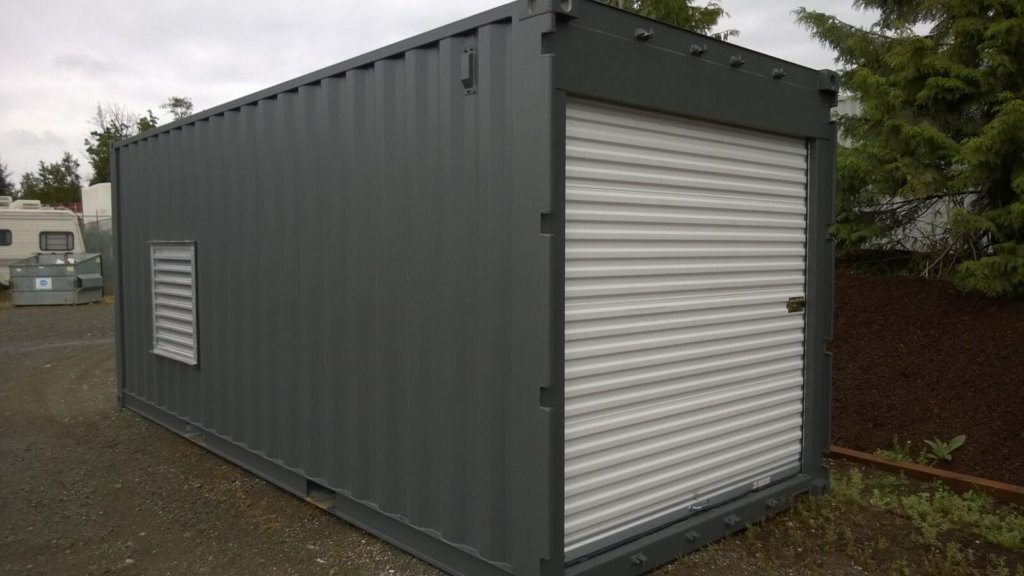
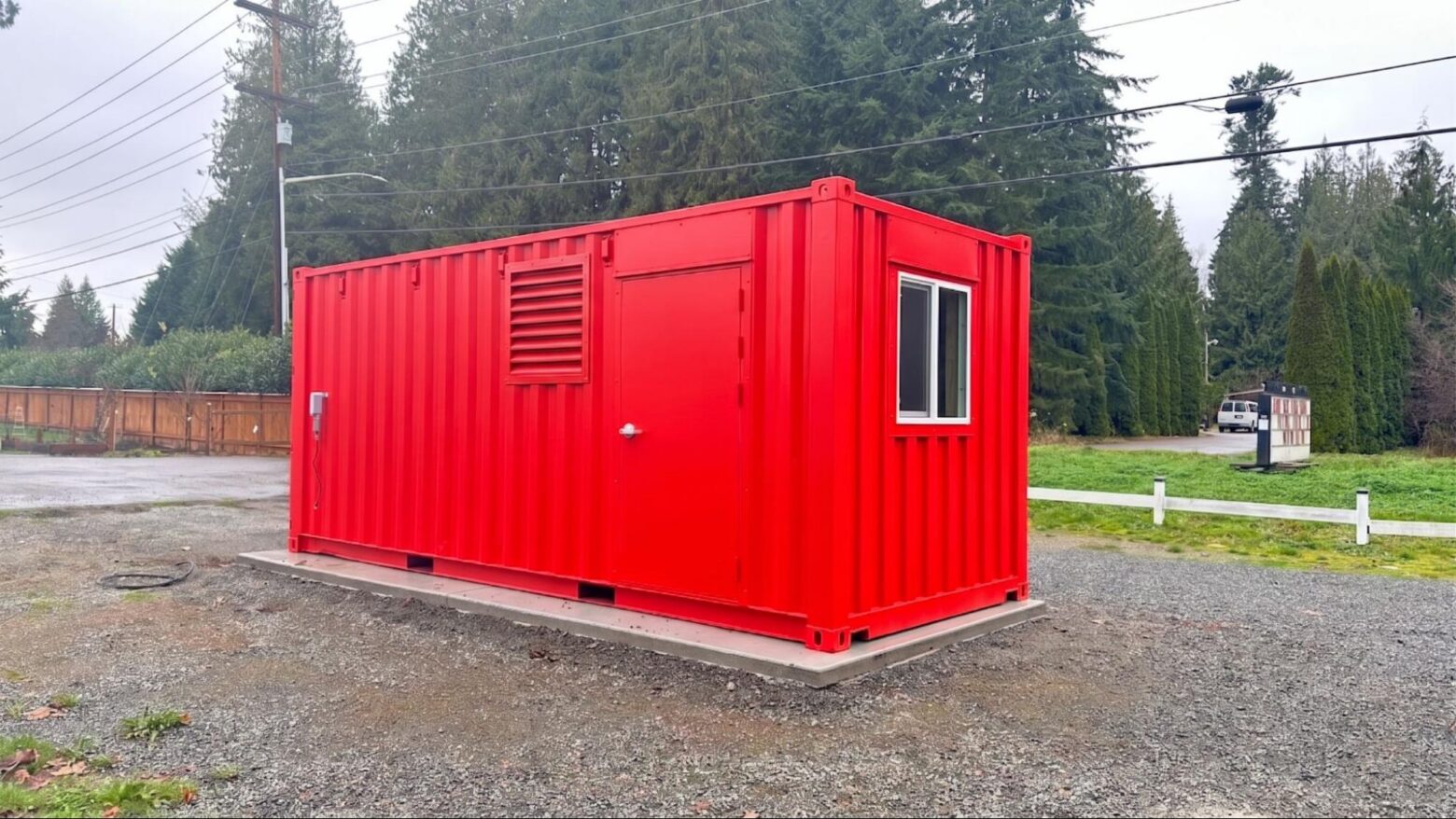
- Passive Wall Vents: Sturdy, louvered metal vents mounted flush into the container sidewalls. With no moving parts, they provide a reliable, zero-maintenance baseline of continuous air movement.
- Solar Exhaust Fans: Designed specifically for Pacific Northwest weather, solar fans actively pull heat and coastal dampness out through the roof without needing access to power lines on rural Whidbey acreage.
- Powered Exhaust Fans & HVAC Systems: Best for finished interiors or spaces where people work. Adding fiberglass insulation alongside powered air conditioning keeps the interior bone-dry year-round.
Vent Sizing & Placement: How Many Vents Do You Need?
To move air effectively, you must create a cross-breeze using a low intake vent on one end and a high exhaust vent on the opposite end.
The single most important rule for container airflow is creating a continuous path from intake to exhaust:
- 10ft & 20ft Containers: Typically need at least two 12-inch storage container vents placed diagonally on opposite walls, one mounted low (intake for cool fresh air) and one mounted high (exhaust for warm, humid air).
- 40ft Standard & High Cube Containers: Require at least two to four high-capacity vents to pull air across the full 40-foot length of the box.
- Factory Vent Baseline: Brand-new “one-trip” containers from our yard come standard with 4 to 16 small pressure vents. However, adding an Insta-Vent sidewall louver (roughly four times larger than factory vents) gives used boxes the extra airflow needed for coastal moisture defense.
Advanced Climate Control: Insulation & HVAC Options
For temperature sensitive goods, medical supplies, or container home offices, combine basic airflow with fiberglass insulation or a mini-split air conditioner.
If basic airflow isn’t enough for your application near WhidbeyHealth Medical Center or Historic Downtown Coupeville, consider these advanced shipping container modifications:
- Fiberglass Insulation: Framing the inside with fiberglass insulation stops heat transfer through the Corten steel walls and prevents internal ceiling condensation entirely.
- HVAC System & Air Conditioner Units: Installing a commercial air conditioner or mini-split hvac system creates a true temperature controlled environment with reliable heating and cooling for medical gear, organic produce, or residential spaces.
Modification Rules: Renting vs. Buying
Permanent alterations, like cutting steel walls, welding louvers, or installing roof fans, are only allowed on containers you purchase. Rental units must stay in original factory condition.
If your project requires cut-in wall louvers, a solar exhaust fan, or custom doors, purchasing a container is required. At Get Simple Box, our modification shop installs heavy-duty louvered wall vents for $150 per vent fully installed (or $65 for a DIY kit) on containers you buy.
How Coupeville Farmers, Healthcare Teams & Shops Use Vents
Coupeville medical teams, historic retail shops, and local farms rely on modified containers to protect equipment from damp ocean air.
- Healthcare & Public Services: Facilities near WhidbeyHealth Medical Center use ventilated, insulated containers to keep medical records, non-critical supplies, and emergency gear completely dry.
- Historic District Tourism & Retail: Shops and restaurants along historic Front Street use louvered containers to store seasonal dining furniture, event gear, and merchandise safe from salt spray.
- Local Farms & Ebey’s Reserve Acreage: Farmers along Ebey’s Landing National Historical Reserve use 20ft and 40ft containers with storage container vents to store tractor fuel, dry feed, and harvest crates without moisture damage.
Why Get Simple Box Wins for Coupeville Storage
When evaluating storage options on Whidbey Island, property owners often compare local self-storage facilities (such as Coupeville Storage or Bodega Self Storage) or national container providers (like WillScot). While local self-storage facilities require driving back and forth to a off-site lot on SW Terry Rd or SR-20, Get Simple Box delivers a clean, heavy-duty steel box directly to your farm, driveway, or job site.
Compared to national brokers that charge high monthly rental fees and restrict custom add-ons, our local Burlington yard gives you complete flexibility:
Storage Option | Get Simple Box | Local Self-Storage Lots | National Container Brokers (e.g., WillScot) |
Location & Access | On-Site at Your Property | Off-Site (Drive to Facility) | On-Site at Your Property |
20ft Storage Volume | 33% Larger Volume | Standard Room Sizes | Standard Units |
Custom Ventilation Upgrades | Yes ($150 Wall Vents & Solar Fans) | Not Allowed | Not Allowed / High Corporate Fees |
Direct Ownership Option | Yes (Buy or Rent) | Rent Only | Primarily Commercial Rentals |
Local Service & Care | Direct Local Burlington Drivers | Local Desk Staff | National Call Centers |
Local Reviews & Whidbey Island Delivery Coverage
⭐⭐⭐⭐⭐ “Personable and Professional!”
“Ordering was easy, delivery was easy, payment was easy and the team is both personable and professional. Pricing is very competitive. Thank you for your help Brooke!”
— Russ, Verified Customer Review
Whidbey Island Delivery Coverage
We deliver directly from our local yard in nearby Burlington (taking Exit 231 off I-5 onto Chuckanut Drive) across Whidbey Island and Skagit County:
- Primary Whidbey Island Cities: Coupeville, Oak Harbor, Greenbank, Freeland, Langley, Clinton
- Regional Northwest WA Yard Locations: Burlington yard, Lynden yard, Stanwood yard, Ellensburg yard
Frequently Asked Questions (FAQ)
What is the best way to ventilate a shipping container in Coupeville, WA?
The most effective setup is cross-ventilation: place an intake vent low on one end and an exhaust vent (or solar exhaust fan) high on the opposite end so fresh air flows across the entire container.
Do shipping containers need ventilation on Whidbey Island?
Yes. Sealed containers trap coastal moisture and solar heat, leading to condensation, rust, mold, and extreme interior heat. Installing storage container vents is the most cost-effective way to prevent damage.
Are solar container vents worth it for Whidbey Island properties?
Yes! A solar roof fan actively pulls out moisture and trapped heat without any electrical wiring or running costs. It works hardest in direct sunlight when the container gets hottest.
Can ventilation alone keep a container cool and dry?
For typical gear, tool, and farm storage, good cross-ventilation effectively manages both heat and moisture. For localized moisture defense, like inside closed storage totes or during extended stagnant weather, adding a desiccant like DampRid can provide an extra layer of protection. However, for finished spaces, sensitive medical goods, or year-round climate sensitivity, you should combine ventilation with fiberglass insulation and a mini-split air conditioner.
Protect Your Gear Today with Get Simple Box
Keep Whidbey Island humidity and summer heat away from your valuable items. Whether you need a simple monthly rental or an owned box modified with a custom ventilation system, Get Simple Box delivers high quality, secure storage right to your property.