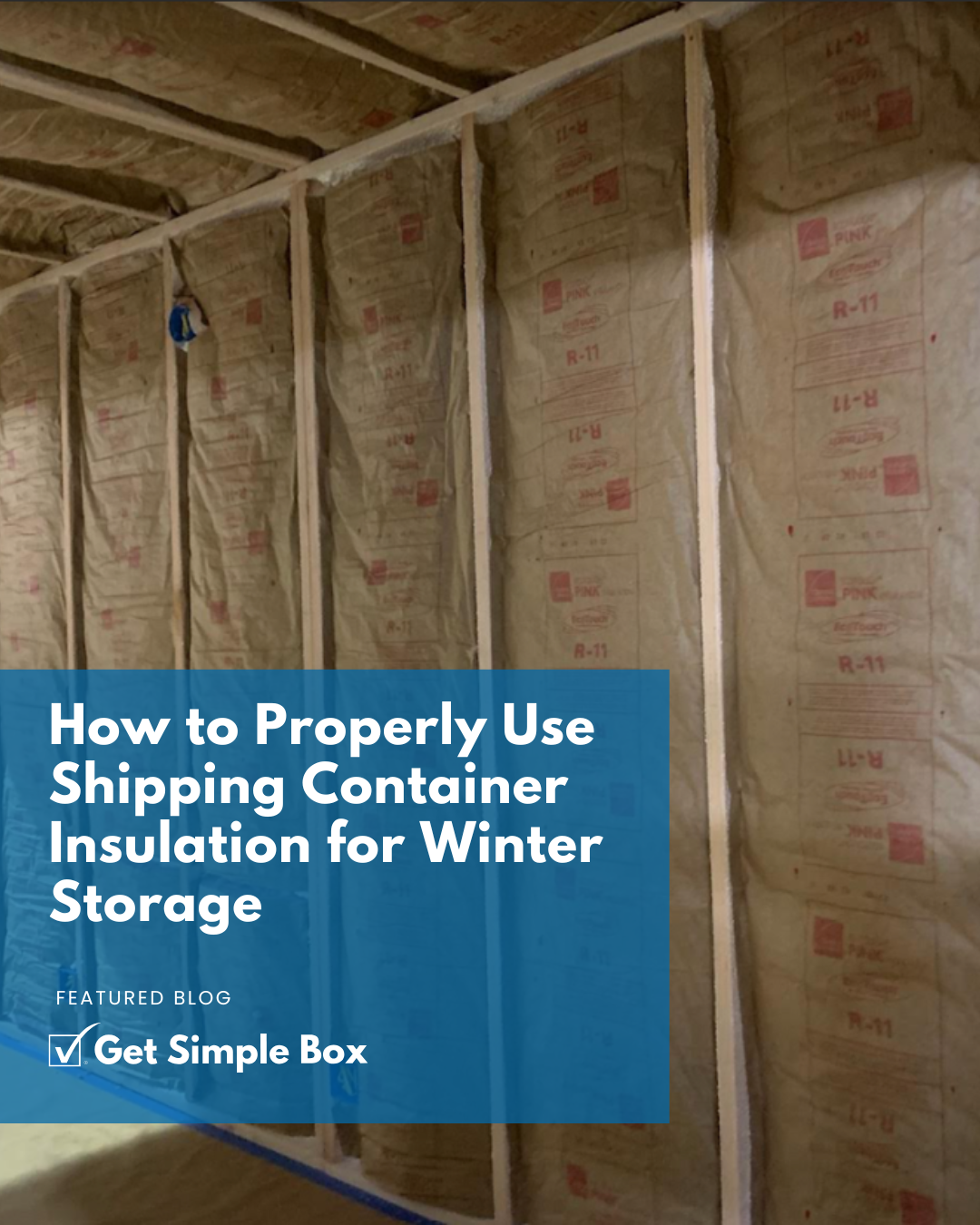
Shipping Container Insulation Guide for Safe Winter Storage
When the colder months arrive, many people turn to shipping containers as a dependable storage solution. Built with durable steel, they naturally protect belongings from the wind, snow, and ice. While conex boxes already provide great security and weather resistance, shipping container insulation can make them even more effective. By adding the right modifications, you can create a storage space that keeps your items extra safe, dry, and ready to use even in the harshest conditions.
In this guide, we’ll explore everything you need to know about insulating a shipping container for winter storage. You’ll learn why container insulation is helpful, the most popular insulation methods, and how to choose between renting a shipping container or buying storage containers. Whether you’re considering a 10 foot shipping container, a 20 foot shipping container, or a 40 foot shipping container, this article will help you choose the best option for your needs.
Table of Contents
Why Shipping Container Insulation Matters for Your Winter Storage
Even though shipping containers are built strong, adding insulation can make a big difference for certain items and uses. Shipping Container Insulation helps in two key ways:
- Temperature Control – Some items like electronics, liquids, and furniture can benefit from added protection against freezing conditions. Using shipping container insulation helps maintain a more stable temperature inside the container, protecting your belongings from freezing or overheating.
- Condensation Prevention – When temperatures rise and fall, moisture can sometimes build up inside. Insulation helps stabilize the interior environment, reducing the chance of condensation. Various kinds of shipping container insulation stabilizes the interior environment, reducing condensation and keeping your goods safe and dry.

With shipping container insulation, your container goes from strong and secure to fully optimized for any season.
Who Can Benefit Most from Shipping Container Insulation?
Insulated shipping containers aren’t only for extreme climates. Anyone who wants added peace of mind for their belongings can benefit, including:
- Families Moving in Winter – When moving during colder months, household items like furniture, electronics, and clothing can be vulnerable to freezing temperatures or condensation. Using a moving container or storage container rental with insulation keeps everything protected while in transit or parked outside your home.
- Contractors and Job Sites –Tools, construction materials, and machinery can be damaged by cold, moisture, or fluctuating temperatures. An insulated 20-foot shipping container provides a secure, dry space that safeguards equipment and supplies, helping keep projects on schedule.
- Businesses – Seasonal stock, inventory, or important archives need to remain in good condition year-round. Insulated shipping containers reduce the risk of moisture damage, mold, or rust, ensuring products and documents stay usable and professional.
- Farmers and Ranchers – Agricultural supplies such as feed, fertilizer, or seed can lose effectiveness when exposed to cold or damp conditions. A 40-foot insulated shipping container protects these essentials, preserving quality and reducing waste.
- Schools and Community Groups – Equipment like sports gear, uniforms, and musical instruments can be sensitive to moisture or temperature changes. Insulated shipping containers keep these items dry, safe, and ready for use whenever they’re needed.
The Most Popular Insulation Methods for Shipping Containers
When it comes to modifying a shipping container, insulation isn’t just an afterthought, it’s a critical step in ensuring your container is functional, comfortable, and efficient for its intended use. Whether you’re converting a container into a home, office, refrigerated storage unit, or simply trying to protect goods from temperature swings, the insulation method you choose can make or break your project.
Not all insulation solutions are created equal, and each comes with unique benefits, drawbacks, and use cases. Below, we break down the three most effective and widely used insulation methods for shipping containers, along with detailed pros and cons so you can make the right choice for your needs.
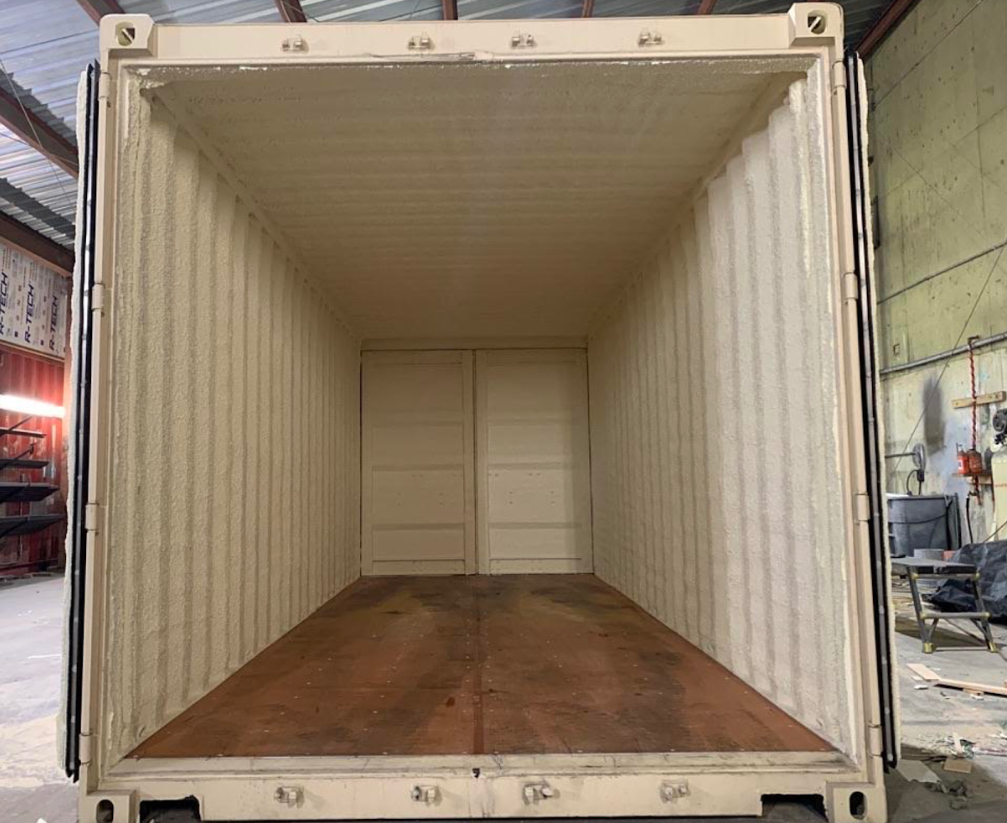
1. Spray Foam Insulation for Shipping Containers
Spray foam is often considered the gold standard of container insulation, and for good reason. Applied directly to the walls and ceiling of the shipping container, spray foam expands to create a seamless, airtight barrier. This not only prevents cold air and moisture from penetrating but also eliminates the condensation issues that plague uninsulated containers.
For anyone living in or working with shipping containers in extreme climates, from scorching deserts to freezing winters, spray foam offers unmatched protection and peace of mind.
Pros of Spray Foam Insulation:
- Airtight Seal: Unlike batt insulation or thermal liners, spray foam fills every crack and crevice. This makes it highly effective at eliminating air leaks and condensation, two of the main challenges in container structures.
- Durability: Once installed, spray foam becomes a permanent part of your container, lasting for decades without sagging, shifting, or losing effectiveness.
- Performance in Harsh Conditions: Whether you need to keep a container cool in high heat or warm during severe cold, spray foam consistently outperforms other methods.
Cons of Spray Foam Insulation:
- Higher Upfront Cost: The installation process is more expensive than temporary solutions. However, many find that the long-term benefits outweigh the initial investment.
- Best for Long-Term Use: Because it’s a permanent modification, spray foam is not ideal for short-term storage or rental containers. It makes the most sense if you own your container and plan to use it for years to come.
Best Use Case: Permanent living spaces, refrigerated storage, or containers in extreme climates where airtight insulation is critical.
2. Thermal Liners
Thermal liners are removable, insulated blankets that attach directly to the walls of a shipping container, providing an extra layer of protection against cold or fluctuating temperatures. They are especially useful for those who need a flexible insulation solution, such as renters or temporary storage users.
Pros of Thermal Liners:
- Affordable: Thermal liners are significantly less expensive than permanent methods like spray foam or insulated panels, making them ideal for budget-conscious users.
- Reusable and Removable: Since they aren’t permanently fixed, thermal liners can be installed, removed, and reused as needed. This flexibility is perfect for people who rent or use multiple containers.
- Easy to Install: No need for specialized tools or professional labor. Most thermal liners can be installed in just a few hours with minimal effort.
Cons of Thermal Liners:
- Not Fully Airtight: Unlike spray foam, thermal liners don’t eliminate condensation completely. In extremely cold or humid climates, this can be a drawback.
- Less Effective in Harsh Climates: For mild or moderate conditions, thermal liners work well, but they struggle to perform in extreme heat or cold.
- Potential Shifting: If not properly secured, thermal liners can sag or shift over time, reducing their effectiveness and requiring occasional adjustments.
3. Insulated Panels
Insulated panels are professional-grade materials designed to line the interior walls of a shipping container, providing excellent thermal protection and a finished look. They are commonly used by businesses or anyone seeking a durable, semi-permanent insulation solution that also improves the appearance of the container interior.
Pros of Insulated Panels:
- Durable and Long-Lasting: Once installed, insulated panels are highly resistant to wear and tear, offering reliable thermal protection for years.
- Professional Finish: Unlike spray foam or liners, panels create a smooth, attractive interior that looks more like a finished room. This is particularly appealing for offices, retail spaces, or other customer-facing uses.
- Effective Thermal Barrier: While not fully seamless, panels provide strong protection against temperature fluctuations, making them a solid choice for both residential and commercial use.
Cons of Insulated Panels:
- Higher Cost: Panels are generally more expensive than thermal liners, though typically less than spray foam when factoring in labor.
- Less Flexible: Panels are fixed in place and not meant to be removed or reused. This makes them unsuitable for temporary or short-term projects.
- Installation Requirements: Proper installation is crucial for effectiveness. In many cases, this means hiring a professional, which adds to the total cost.
Quick Summary:
- Spray foam = Best for permanent ownership.
- Thermal liners = Best for short-term rentals.
- Insulated panels = Best for businesses needing a polished look.
Renting vs. Buying a Shipping Container: Which Is Better for Insulation & Winter Storage?
Before insulating, it’s helpful to decide whether a shipping container rental or a purchase is the best fit for your situation.
- Container Rental / Shipping Container Rental
Renting can be a great choice for short-term needs like moving, remodeling, or seasonal storage. In many areas, Get Simple Box can deliver a shipping container directly to your home, job site, or business for convenience. Because services may vary by location, be sure to check with your local Get Simple Box office to confirm availability in your area. - Storage Containers for Sale
If you’ll need winter storage year after year, purchasing a container often makes the most sense. Get Simple Box offers both new and used shipping containers for sale in multiple sizes, and we can help you choose the right option based on your space, budget, and storage needs.
Example: Renting a container during a remodel may only cost a few months of fees. But buying a 20 foot shipping container pays off quickly if you’ll use it for multiple winters.
New vs. Used Shipping Containers: Choosing the Best Option for Insulation
When it comes to adding shipping container insulation, both new and used containers can work, but your choice affects how easily you can install it and the long-term performance.Keep in mind that not all Get Simple Box locations provide modification or insulation services, so it’s always best to check with your local office before making a purchase.
- New Shipping Containers – These are clean, dent-free, and long-lasting, making them perfect for neighborhoods, commercial spaces, or any location where appearance matters. Buying new gives you the flexibility to install permanent insulation solutions such as spray foam or insulated panels right from the start, ensuring optimal thermal protection for your belongings.
- Used Shipping Containers – More affordable and widely available, used containers remain highly durable and functional despite cosmetic imperfections. These flaws don’t affect performance and can easily be hidden in farm, industrial, or job site settings. Many customers find a great balance by purchasing a used 40-foot shipping container and upgrading it with spray foam insulation, combining cost savings with effective winter protection.
Many customers strike a balance by purchasing a used 40 foot shipping container and upgrading it with spray foam insulation.
Choosing the Right Size Shipping Container
Size is just as important as insulation. Here’s how the most common options compare:
- 20 Foot Shipping Container – The most popular choice, offering the best balance of size, cost, and mobility.
- 40 Foot Shipping Container – Maximum storage capacity, perfect for farms, businesses, or large-scale projects.
- 10 Foot Shipping Container – Compact and ideal for small households or tight spaces.
Beyond Insulation: Extra Winter Modifications
Insulation is just the beginning. Other smart upgrades include:
- Ventilation Systems – Prevents excess moisture.
- Heaters or Dehumidifiers – Keeps the space comfortable and dry.
- Shelving Units – Keeps belongings off the floor.
- Roll-Up or Personnel Doors – Improves accessibility in snow and ice.
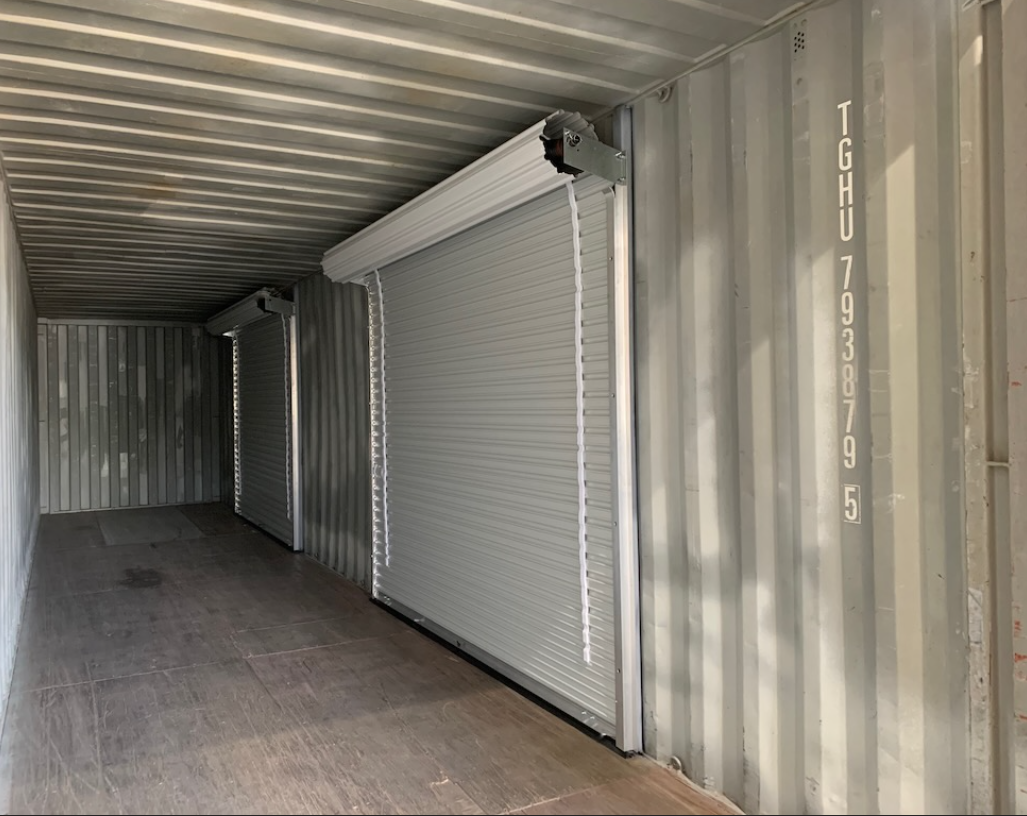
Together, these modifications can transform a basic storage container rental into a dependable, weather-resistant storage solution.
Portable Storage Container Rental vs. Self-Storage
Many customers wonder whether to use a self-storage facility or rent a portable container. On the surface, both options provide extra space, but how they fit into your daily life is very different. A portable storage container rental gives you the advantage of keeping your items close at hand, while self-storage requires extra trips back and forth. The table below highlights the main differences so you can decide which option best matches your needs for convenience, cost, and flexibility.
Feature | Get Simple Box: Portable Storage Container Rental | Self-Storage Unit |
Location | Delivered to your property | Drive to facility |
Insulation Options | Customizable with liners/foam | Limited or none |
Flexibility | Portable, reusable | Fixed location only |
Cost | One-time purchase or flexible rental | Ongoing monthly rent |
A customer said it up best:
The Get Simple Box Advantage
At Get Simple Box, we make storage simple, even in harsh winter weather. Here’s why customers trust us:
- Container Rentals: Flexible options delivered right to your home, job site, or business.
- Storage Containers for Sale: Wide range of sizes, including 10 foot, 20 foot, and 40 foot shipping containers.
- Custom Modifications: From insulation to ventilation and shelving, we’ll help create a container that fits your needs.
- Proven Experience: Hundreds of satisfied customers rely on us year after year for storage and moving solutions.
- A Business You Can Trust: Local, professional, and kind. Whenever you have questions or concerns, a local manager is ready to respond within one business day.
Final Thoughts: Smarter Winter Storage
Winter storage doesn’t have to mean damaged belongings or overpriced self-storage fees. With an insulated shipping container, you’ll have a secure, weatherproof space right where you need it. Whether you choose a storage container rental, a new shipping container, or a used shipping container for sale near me, Get Simple Box is here to make storage simple this winter.
Ready to prepare for the season? Contact Get Simple Box today for a free quote on shipping containers for sale, container rentals, or portable storage.
Related Posts

Shipping Container Delivery in Thousand Palms, CA: How to Prepare Your Site If you’re planning shipping container delivery in Thousand

Rent to Own Shipping Container:Costs, Rules, and Tips If you’re researching a rent to own shipping container, you’re probably trying

Moving Containers in Tempe, AZ: The #1 Thing That Slows Down Most Moves (And How to Avoid It) If you’re

What Makes a Storage Company in Ferndale, WA Easy to Work With? If you’re researching a storage company in Ferndale,

5 Simple Steps to Choose the Best Container Supplier for Smarter Access and Setup Choosing the right container supplier is

Rent to Own Shipping Container in Cle Elum, WA:Costs, Rules, and When It Makes Sense If you’re researching a rent