
5 Simple Steps to Choose the Best Container Supplier for Smarter Access and Setup
Choosing the right container supplier is one of the smartest job site decisions you can make before your project even begins. As project schedules tighten and timelines stack up, contractors need storage solutions that improve site access, protect materials, and keep crews moving, not slow them down.
The right container setup isn’t just about picking a conex size, this steel box directly impacts delivery flow, equipment staging, material organization, and daily job site efficiency. When your storage container rental or shipping container purchase is delivered and positioned strategically, materials are easier to reach, crews move faster, and your team spends less time walking, waiting, or working around obstacles, and more time building In this guide, we’ll walk through 5 simple steps to help you choose a container supplier that supports smarter access, better preparation, and smoother results from delivery to completion.
Because a great Container supplier doesn’t just deliver a box, they help you protect your timeline and maintain momentum from day one.
Table of Contents
Quick Answer: What Should You Look for in a Container Supplier?
Choose a container supplier who (1) asks about site access before quoting, (2) uses the right delivery equipment for accurate placement, (3) helps you pick the right size and layout (including options with up to 33% more usable space than typical shipping containers), (4) guides you through rent vs. buy based on project duration and modification needs, and (5) communicates like a job site partner, not a call center.
If they can’t talk through access and placement like it matters, they’re not ready for contractor work.
Why Choosing the Right Container Supplier Impacts Your Job Site More Than You Think
Choosing the right container supplier is one of the few decisions you can make early that keeps paying off all the way through closeout. When schedules are tight and trades are stacked, you don’t have time to babysit logistics, chase delivery windows, or rearrange staging because a box landed in the wrong spot.
A storage container rental isn’t just “extra storage.” It affects how crews move, where materials land, whether forklifts can run clean lanes, and how fast you can get your hands on what you need. When the container is sized correctly and placed with intention, it reduces walking, prevents double-handling, and keeps your site cleaner and safer.
This guide lays out five steps contractors use to choose a supplier that makes the job easier, not just cheaper on paper.
Step 1: Why Site Access Should Guide Your Container Supplier Decision
Site access is the first filter because delivery and placement determine whether your Conex box improves workflow or becomes a daily obstacle. A contractor-ready container supplier asks the right questions early and catches problems before they turn into delays.
If a supplier quotes you without asking about access, they’re not quoting the job, they’re quoting the box.
What Contractors Should Check Before Committing
Before you book container rentals or decide to purchase a shipping container, your supplier should ask about:
- Entry width: gates, driveways, narrow streets, alley access
- Turning radius: can the truck make the approach without resets?
- Overhead hazards: power lines, limbs, canopies, overhangs
- Surface conditions: gravel vs mud vs asphalt; slope and compaction
- Placement zone: door clearance, staging areas, forklift lanes, fire access
- Traffic flow: where crews walk, where equipment runs, where materials land
This isn’t theoretical. If doors can’t open fully, if your forklift lane is blocked, or if the unit sits in the only clean staging zone, you’ll feel it every day.
Site Access FAQ’s
Q: What’s the biggest mistake contractors make with a Conex box?
A: Treating placement like an afterthought instead of a workflow decision.
Q: Why does access matter so much with portable storage containers for rent?
A: Because delivery equipment has real clearance needs, and bad placement creates daily inefficiency.

Step 2: Evaluate How a Container Supplier Handles Delivery and Placement
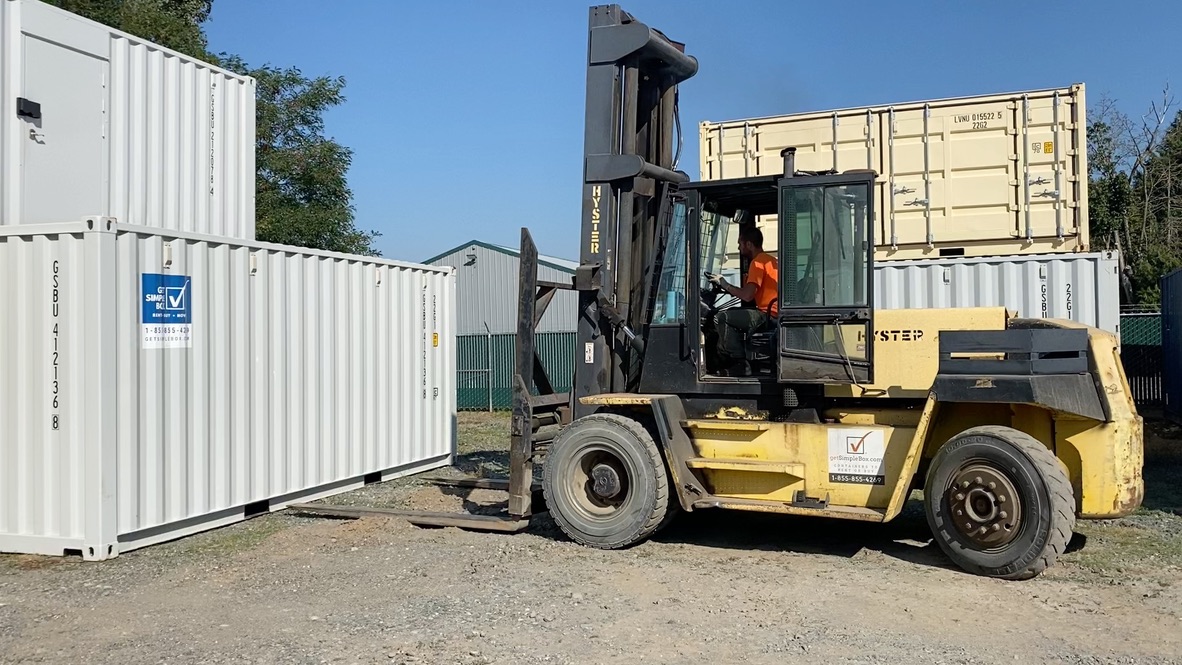
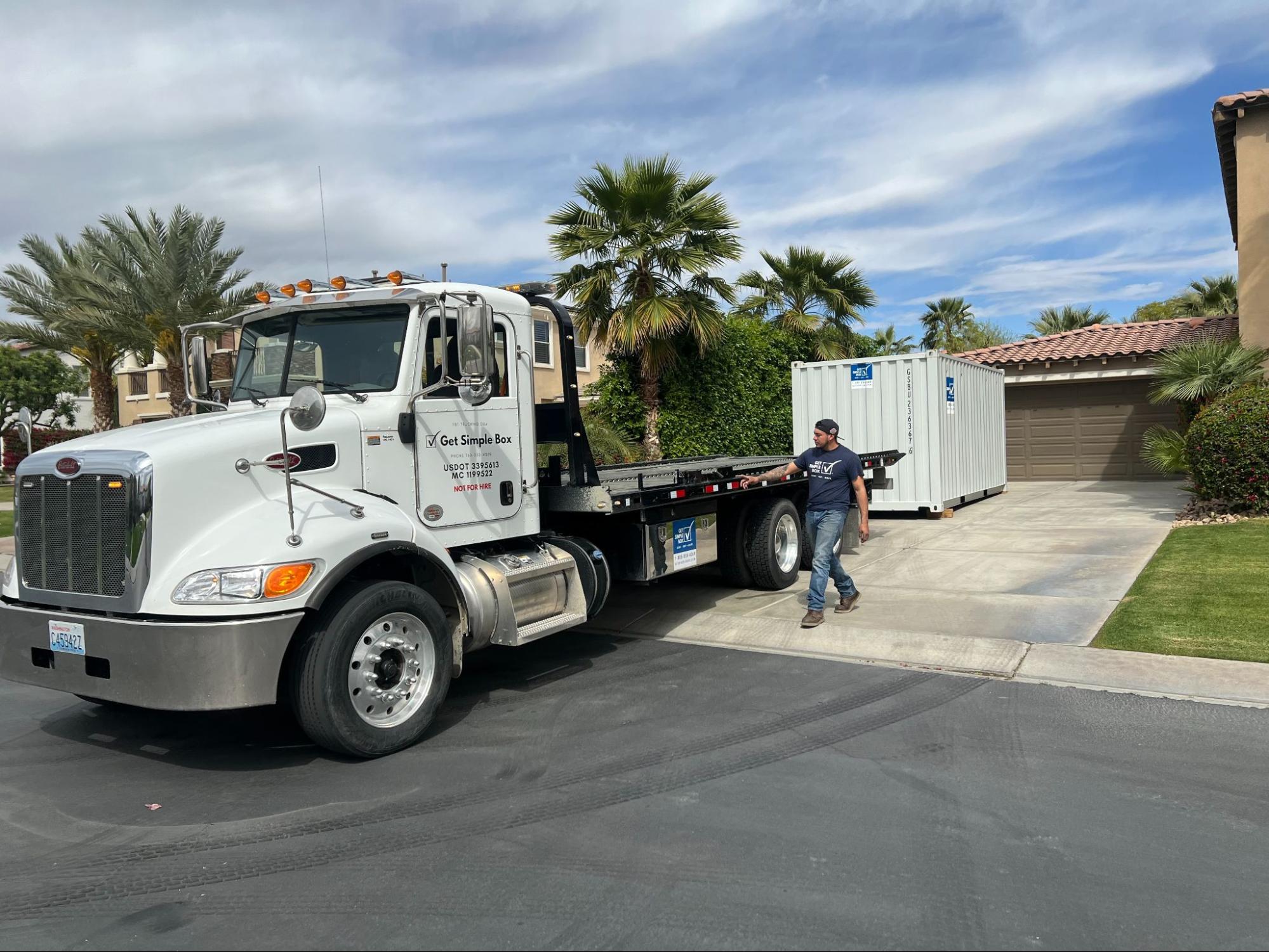
Delivery equipment and operator experience determine how precisely your Conex Box can be placed. The best container rental services plan placement intentionally and communicate access requirements clearly, preventing re-drops, site damage, and schedule surprises.
Delivery day is where “good pricing” either holds up or falls apart.
What “Good Delivery” Looks Like on a Job Site
Whether you’re doing a storage container rental or purchasing a shipping container, a professional delivery feels like this:
- The delivery window is clear and realistic
- The driver shows up prepared for your access constraints
- The unit is set level, usable, and accessible immediately
- Doors open fully and staging stays functional
Questions to Ask Any Container Supplier
- What equipment do you use? (tilt-bed, roll-off, forklift support)
- How much clearance is required? (straight-line, turning, overhead)
- How precise is placement? (inches matter near staging and access lanes)
- Can you reposition later if the site plan changes?
- What does “site ready” mean to you?
- How do you ensure timelines are met?
If the answers sound vague, you’re the one who’ll pay for the uncertainty.
Shipping Container Delivery and Placement FAQ’s
Q: How much room do I need for delivery?
A: Enough for a straight, safe approach and offload, your supplier should confirm exact requirements before scheduling.
Q: Can you place a Conex box exactly where I want it?
A: A capable supplier can usually place it precisely within site constraints; ask about equipment and driver experience.
Step 3: Choose the Right Conex Box Size and Setup
Size is about more than length, it’s about usable space, access, and how your crew interacts with the unit daily. The right setup reduces walking, waiting, and double-handling.
Standard Sizes Contractors Compare
20-foot container (typical)
Exterior: 20′ L x 8′ W x 8’6″ H
Contractors choose the 20ft for tool crib storage, smaller material storage, secure equipment
40-foot container (typical)
Exterior: 40′ L x 8′ W x 8’6″ H
Good for: multi-trade storage, longer staging windows, larger inventory
If you’re comparing storage containers for sale or looking at a 40 ft container for sale, don’t just think “more space.” Think about where it sits and how it changes traffic flow.
The “33% Larger” Note (Differentiator That Matters)
Many contractors don’t realize how much usable space varies by configuration. Get Simple Box offers container solutions where usable space can be up to 33% larger than most shipping containers, depending on layout and model. That means fewer trips in and out, better organization, and less daily friction.
It’s not a marketing number, it’s the difference between a container that stays usable and one that turns into a jammed closet by week two.
Options That Matter on Real Job Sites
- Door swing clearance that doesn’t block lanes
- Lock protection that actually protects your tools and copper
- Ventilation (especially for hotter markets)
- Lighting for early/late access
- Shelving that matches the choice: non-permanent for rentals, permanent for owned units
Modifications Rule (Owned Only)
If you need roll-up doors, personnel doors, windows, electrical, or other permanent changes, that’s a container sales decision, not a rental decision. You can’t make permanent changes to a rented container. We only modify containers that are owned.
Step 4: Storage Container Rental vs. Buying a Shipping Container
Rent when you need flexibility; buy when you need long-term value or modifications. A solid container supplier helps you match the decision to schedule and operations, not just budget.
When a Storage Container Rental Is the Right Move
A storage container rental is usually right when:
- Your project has a defined end date
- You want predictable monthly cost
- You need temporary storage rental without long-term commitment
- You don’t need permanent modifications
- You don’t want to manage relocation logistics
If relocating matters, ask about it early. In many cases, Get Simple Box can relocate units, and in the right situations, we can move loaded containers (confirm contents with our team so there are no surprises).
That’s the point of a partner-style supplier: fewer moving parts for you.
When its Makes More Sense to Buy a Conex Box
Buying makes sense when:
- You have recurring projects and want ROI
- You want to modify the unit
- You need dedicated yard storage year-round
- You want an asset instead of monthly expense
That’s where shipping containers for sale come into play, contractors can also buy a new (one-tip) or used conex box. New offers consistent condition and longer life; used offers strong value and durability, depending on how hard you plan to run it.
Step-by-Step: Renting a Storage Container (Contractor Process)
- Define the use (tools, materials, staging, multi-trade access)
- Choose size and layout (20’ vs 40’ or larger usable options)
- Confirm placement (door clearance + forklift lane + traffic flow)
- Schedule delivery around mobilization and material drops
- Secure and organize (locks + layout that stays usable)
- Adjust if the site evolves (repositioning when needed)
Step-by-Step: Buying a Shipping Container (Contractor Process)
- Choose condition (new vs used based on longevity needs)
- Select size and plan access constraints
- Plan modifications (owned only)
- Confirm delivery plan and placement zone
- Set it, secure it, use it like part of operations
Step 5: Select a Container Supplier That Protects Your Timeline
Contractors don’t just need a conex container, they need predictability. The right container supplier protects your schedule with communication, inventory reliability, and delivery that matches job site constraints.
Timeline protection is mostly boring basics done well:
- Confirmed delivery windows (not “sometime Tuesday”)
- Access requirements communicated ahead of time
- Backup inventory options if plans change
- Clean paperwork and predictable terms
- Fast solutions when the site changes mid-project
That’s what makes a supplier feel like a partner.
Common Mistakes a Container Supplier Helps You Avoid
Most job site container problems are preventable when your supplier is proactive. The right container supplier helps you avoid schedule-impacting mistakes before they happen.
Common issues included:
- Ordering too small and creating congestion
- Blocking forklift lanes or laydown areas
- Forgetting door swing clearance
- Placing on soft ground without planning
- Underestimating delivery clearance
- Assuming you can modify a rental (you can’t, owned only)
- Comparing price without comparing reliability
Pro TIp: If your container is arriving the same day framing lumber, HVAC equipment, or finish materials are scheduled, you’re gambling with your own schedule.
Give yourself a 2–3 day buffer.
That buffer does three important things:
- It gives you time to confirm placement is right before trades stack up
- It prevents delivery congestion if a truck runs late
- It lets you organize the container intentionally instead of dumping materials under pressure
A professional container supplier will help you align delivery with mobilization, not just availability. When your storage container rental is set early and placed correctly, it becomes staging support. When it shows up at the same time as everything else, it becomes chaos control.
That small scheduling adjustment protects workflow more than most people realize.
Competitor Comparison
Contractors compare national moving brands, general rental yards, and private sellers. The difference is whether the provider understands placement, supports rent and buy, and can guide modifications.
Competitors commonly considered: PODS®, U-Haul U-Box, Mobile Mini / WillScot, private marketplace sellers.
| What contractors need | Get Simple Box | PODS® | U-Box | Mobile Mini / WillScot | Private Seller |
| Contractor-first placement | ✅ | ⚠️ | ⚠️ | ✅ | ❌ |
| Storage container rental options | ✅ | ✅ | ✅ | ✅ | ⚠️ |
| Shipping containers for sale (ownership) | ✅ | ❌ | ❌ | ⚠️ | ✅ |
| New + used container sales | ✅ | ❌ | ❌ | ❌ | ⚠️ |
| Modification support (owned only) | ✅ | ❌ | ❌ | ⚠️ | ⚠️ |
| Regional planning (OR/WA/AZ/CA) | ✅ | ⚠️ | ⚠️ | ✅ | ❌ |
| Contractor-friendly communication | ✅ | ⚠️ | ⚠️ | ✅ | ❌ |
Customer Story
The best proof is how the container performs on an active site.
Phoenix, AZ — fast staging for a multi-trade remodel
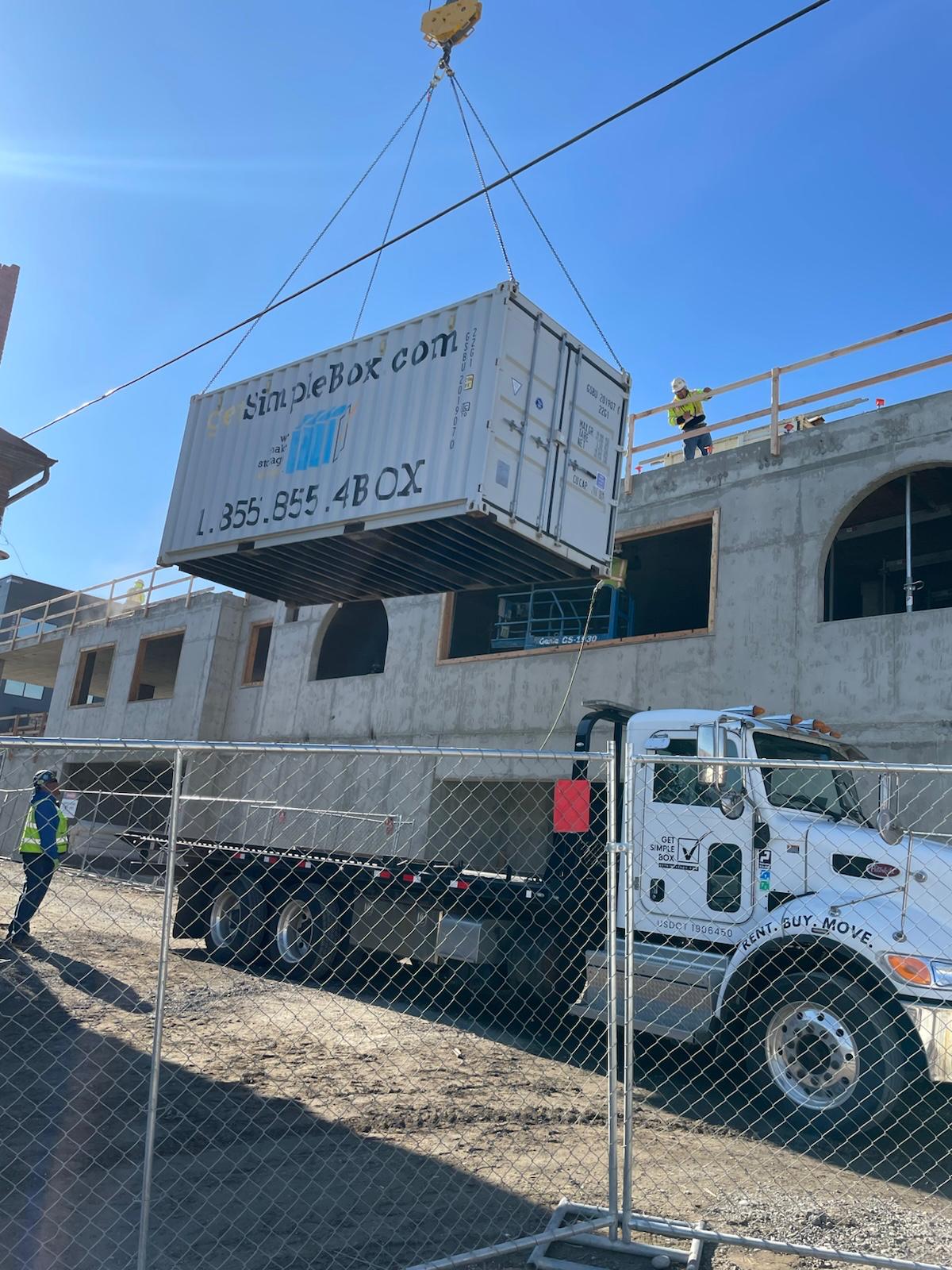
A GC needed container rentals to secure tools and keep materials organized on a multi-trade interior remodel. With limited laydown and heavy traffic, placement was planned to keep doors accessible and forklift movement clean, so the crew wasn’t wasting time hunting for supplies.
Contractor FAQs: Storage Container Rental, Shipping Container Pricing & Modifications
How much is a 40 foot shipping container?
The price of a 40 foot shipping container varies based on condition, availability, and market demand. A 40 ft container for sale will typically cost more than a 20 foot shipping container for sale, and pricing differs between new container sales (one-trip units) and used container sales. A real estimate from a professional container supplier should also include delivery logistics, site access considerations, and whether you’re purchasing or just renting.
What affects the cost of 40 ft shipping container delivery?
The cost of 40 ft shipping container delivery depends on more than distance. Site access constraints, tight turns, overhead hazards, ground conditions, and placement precision all impact delivery complexity. If a supplier doesn’t ask about access before quoting, the final number can change quickly. Clear communication up front protects both your budget and your schedule.
Is renting a shipping container different from storage container rental?
Most contractors use the terms interchangeably. In practice, a storage container rental or shipping container rental refers to temporary, on-site storage for a defined period. Buying, on the other hand, falls under container sales and makes more sense for long-term yard storage, recurring projects, or when modifications are needed. A good container supplier will help you match the decision to your timeline and operational needs.
Can I modify a rented Conex box?
No. Permanent modifications, such as roll-up doors, windows, electrical, or structural changes, require ownership. We only modify owned containers. If you anticipate needing upgrades, it’s usually smarter to explore shipping containers for sale instead of starting with a rental and replacing it later.
What size should I choose: 20’ or 40’?
A 20-foot container works well for tool storage and smaller builds. A 40-foot unit is better suited for multi-trade projects, palletized materials, or longer staging timelines. Many active job sites outgrow a 20’ unit faster than expected, especially when trades overlap. When comparing storage containers for sale or container rentals, think about traffic flow, pallet volume, and how often crews will be inside the unit, not just total square footage.
Are conex containers wind and water tight?
Yes. All standard conex containers are wind and water tight (WWT), which is the baseline requirement for secure job site storage. WWT means the container is sealed to keep out wind and rain, making it suitable for tools, materials, and equipment storage across varying weather conditions in Oregon, Washington, Arizona, and California.
Do you offer portable storage containers for rent across multiple states?
Yes. Get Simple Box provides portable storage containers for rent, and container sales across Oregon, Washington, Arizona, and California. Because delivery planning varies by region, from wet ground in the Pacific Northwest to tighter urban access in California, we approach each site with placement and workflow in mind.
Why Get Simple Box Is the Container Supplier Contractors Rely On
Plenty of companies have containers. What sets Get Simple Box apart as a container supplier is how we approach the job. We plan access before delivery, place units with intention, and help you avoid the small missteps that turn into schedule problems later.
Whether you need a straightforward storage container rental for a defined build or you’re evaluating shipping containers for sale for long-term yard use or modifications, we walk you through the right option, including when ownership makes sense and when it doesn’t. And if your site shifts mid-project, you’re not stuck. We adjust with you.
Your Conex Box affects workflow, staging, and crew efficiency every day it’s on site. The right container supplier makes that part of the job easier, with clear delivery windows, precise placement, the right size (including options with up to 33% more usable space), and straight answers about rent vs. buy.
If you’re building in Oregon, Washington, Arizona, or California, let’s get it set up the right way from the start.
Call Get Simple Box today to plan your site access and delivery. We’ll help you choose the right unit, place it exactly where it needs to be, and keep your project moving without added stress.
Related Posts:
Moving with a Portable Storage Container in Snohomish, WA
Moving with a Portable Storage Container in Snohomish, WA Quick Summary: Moving with a portable storage container in Snohomish, WA
Get Simple Box vs PODS Burlington WA – Portable Storage
Get Simple Box vs. PODS Burlington WA | Storage Containers Quick Summary: Finding the right portable storage container in Burlington
Shipping Container Rental Maple Falls WA – Get Simple Box
Shipping Container Rental in Maple Falls WA: Mountain-Ready Storage Finding the right shipping container rental in Maple Falls, WA comes
Storage Container Delivery Requirements & Site Prep Guide – Get Simple Box
Storage Container Delivery Requirements: What to Expect on Delivery Day Quick Summary: Understanding key storage container delivery requirements is the
Portable Storage Containers Palm Springs CA | Get Simple Box
Portable Storage Containers in Palm Springs CA: Get Simple Box vs. PODS®, Aztec Containers & WillScot (Mobile Mini®) Finding the
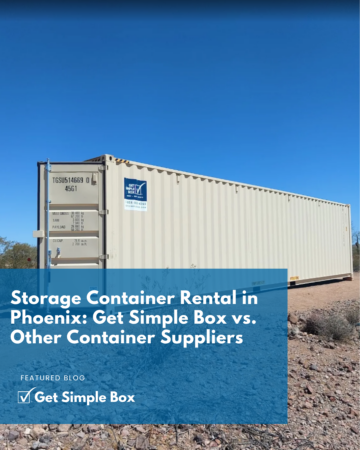
Storage Container Rental in Phoenix: Get Simple Box vs. PODS, Southwest Mobile & AZ Containers
Storage Container Rental in Phoenix: Get Simple Box vs. PODS®, Southwest Mobile & AZ Containers Finding the right storage container