Moving into Container Business Ownership: Why a Licensing Business Model Beats a Solo Startup
Starting a portable storage business through a licensing business model is significantly more efficient and less risky than launching a solo startup. A Get Simple Box license grants you immediate access to proprietary fleet management software, custom delivery trailers, and high-ranking local web traffic. This comprehensive system allows you to avoid the high costs, erratic logistics, and brand-damaging customer reviews common to independent container rental operations.
Table of Contents
The Dream of Business Ownership vs. The Portable Storage Reality
Every entrepreneur shares a similar dream: to break free from the nine-to-five grind, build long-term wealth, and create a lasting legacy for their family. If you are exploring business ownership opportunities, the container industry is highly lucrative. Demand is skyrocketing for both short-term residential use and permanent commercial storage.
When you start researching how to get a slice of this market, it is easy to view the business through a simplistic lens. You look at a standard conex box and think:
- “Why can’t I just order a fleet of shipping containers directly from an overseas factory?”
- “Can’t I just list these shipping containers for sale near me on online marketplaces?”
- “Why not just hire a freelance flatbed tow truck driver online to act as my delivery middleman?”
On paper, acting as a solo asset broker sounds like a lean, smart way to launch a portable storage business. You avoid corporate franchise fees, keep your overhead low, and pocket all the profit.
However, there is a massive gap between a spreadsheet and reality. Running a storage container rental yard completely on your own introduces hidden operational challenges that can drain your bank account and destroy your reputation overnight.
Choosing a proven licensing business model changes the entire game. It replaces dangerous marketplace variables with a turn-key framework built on nearly 30 years of real-world industry experience.
The Middleman Trap: Why Sourcing Your Own Drivers Costs You More
Most people who want to start an independent container rental company have excellent intentions. They want to provide a helpful service to their community while securing their financial freedom. To minimize initial capital layout, they decide to skip buying specialized delivery trucks. Instead, they broker their transportation out to third-party haulers or local towing companies.
This looks like a shortcut, but it quickly turns into an operational nightmare.
When you outsource your deliveries to unvetted, freelance drivers, you put your brand’s survival into the hands of a stranger. In the storage industry, the delivery is the most critical point of interaction with the customer.
- If a hired driver shows up three hours late, you look unprofessional.
- If they drag a heavy cargo container across a wet lawn, leaving massive mud ruts, you get the angry phone call.
- If they crack a residential concrete driveway because they don’t understand weight distribution, or cause expensive property damage through poor placement by placing the container under low-hanging tree branches or blocking your garage doors, your business is liable for thousands of dollars in damages.
As an independent middleman, you are completely blind to the delivery experience. You get the stressful, screaming phone calls, and your business gets the devastating one-star online reviews. True business freedom shouldn’t feel like a chaotic, full-time juggling act.
Your In-House Executive Support Team
Our licensing partners completely bypass this operational headache. Instead of fighting with logistics completely on your own, Get Simple Box provides an in-house executive support team that handles the technical and administrative heavy lifting through our Operation & Service Delivery system.
You gain full access to our proprietary Delivery Playbook and step-by-step driver onboarding guidelines. We guide you directly through the safety protocols, setup requirements, and delivery methods needed to keep your local team safe and your customers happy.
We take the chaotic guesswork out of container logistics so you can step into the role of a true executive leader.
The Impact of a Great Delivery Experience
To understand how critical delivery logistics are to your bottom line, you only have to look at how real customers review their storage experiences. When you have a solid system in place, delivery becomes your biggest competitive advantage instead of a liability.
By utilizing the Get Simple Box onboarding guidelines and delivery protocols, your team learns exactly how to handle tricky delivery zones safely and efficiently. That is how you turn a simple delivery into a lifetime customer who promises to use your business again.

Navigating the Complexities of Container Sizes and Technical Specs
A major hurdle for solo startups is understanding the complex, technical nature of container sourcing. Not all steel boxes are created equal. If you buy the wrong inventory, you will find yourself stuck with assets that are impossible to rent or dangerous to move.
Understanding Shipping Container Dimensions and Material Science
To build a sustainable portable storage business, you must understand standard industry specifications. Customers will frequently ask you about shipping container dimensions, weight capacities, and site requirements.
Container Size | Standard Measurements (L x W x H) | Common Use Cases | Payload Capacity Considerations |
10 ft Shipping Container | $10′ \times 8′ \times 8.5’$ | Residential driveways, tight urban spaces, construction job sites. | High demand for small-space residential storage. |
20 Foot Shipping Container | $20′ \times 8′ \times 8.5’$ | Commercial inventory, home remodeling, construction storage. | The industry standard for portable storage business growth. |
40 Foot Shipping Container | $40′ \times 8′ \times 8.5’$ | Large commercial properties, agricultural storage, volume freight. | High asset longevity, requires significant delivery clearance. |
Independent operators often buy cheap, used cargo boxes from ports to save money. However, these boxes are usually retired ocean freight containers that have suffered structural wear, severe rust, and chemical contamination.
Understanding Shipping Container Conditions and Grades
When you are looking at the inventory options for your yard, you will hear a lot of different names like ISO boxes, cargo containers, or a conex box. The most important thing to check is the container’s official “grade,” which tells you how much wear and tear the steel has survived.
Container Grade | Structural Condition | Best Operational Use |
One-Trip (New) | Pristine condition; built overseas and shipped across the ocean exactly once. | Best for premium residential rentals and high-end commercial clients. |
IICL (Best Used) | Highest used standard set by the International Institute of Container Lessors. | Excellent structural integrity; low dents; highly dependable asset life. |
Cargo Worthy (CW) | Certified to safely travel on cargo ships; minor dings and surface rust. | Solid, weather-tight option for standard industrial lease fleets. |
Wind/Water Tight (WWT) | Retired from ocean shipping but guaranteed to keep out rain, wind, and pests. | Most popular, cost-effective grade for affordable local yard storage. |
As-Is | Heavily damaged; severe structural issues, rust, or broken door seals. | Not recommended; requires expensive repairs and risks interior leaks. |
Booking & Scheduling That Actually Works (Without the Waiting List)
After pricing, scheduling is where most storage companies lose trust. This is the point where a good quote can turn into a frustrating experience if communication slows down or details are missed. Easy scheduling isn’t just about speed, it’s about accuracy, follow-through, and making sure delivery day goes exactly as planned.
Online Booking Is the Industry Standard, But It’s Not the Finish Line
Yes, most storage companies now offer the ability to book online. That’s expected, not exceptional. Clicking a button is easy, what matters is what happens after that button is clicked.
What actually makes scheduling easy is the human attention that follows. An expert reviewing your request can catch issues early, ask the right questions, and make sure the container you booked truly fits your space, timeline, and goals.
Easy Scheduling Means:
Easy scheduling is proactive, not reactive. It’s designed to prevent problems before they happen.
- A real expert reviews your request
- Questions are clarified well before delivery day
- Container size, placement, and timing are confirmed intentionally
- You’re guided to the right fit, not just the fastest checkout
That extra attention upfront saves time, money, and stress later.
The Difference in Approach
Not all scheduling processes are created equal. Here’s how common options compare:
- PODS® & national brands: Automated booking with limited personalization and centralized scheduling
- Mini storage: You coordinate trucks, elevators, access hours, unit sizes, and gate codes yourself
- Container yards: Transactional scheduling with minimal guidance or site planning
- Get Simple Box: A customized, detail-oriented process where experts help you choose the best container for your specific needs
Our team looks at access points, space constraints, delivery surfaces, timelines, and future plans, because ease comes from getting it right the first time, not fixing mistakes later.

The Digital Battlefield: Sourcing Customers in an AI-Driven World
Sourcing your inventory or finding a used 40′ shipping container for sale is actually the easiest part of running a storage business. The real challenge is finding local families and businesses who are ready to pay you for a long-term shipping container rental.
Building a modern portable storage business requires massive digital authority before Google or AI search engines will showcase your business.
If you start a solo business from scratch, you will face an uphill battle against deeply entrenched regional brands. You can easily spend thousands of dollars on unproven marketing agencies, pay-per-click ads, and generic social media campaigns without generating a single phone call.
To help you skip the expensive, frustrating guessing games of a new startup, our licensing model connects your local yard directly to our powerful digital footprint. Our framework is built entirely on the real-world experience of our leadership team. Our CEO, Ross Black, has spent decades navigating port disruptions, steel market shifts, and local zoning laws.
To help you skip the expensive guessing games of a new startup, our licensing model connects your local yard directly to a built-in infrastructure:
Marketing & Digital Authority:
We manage your local SEO, digital ads, and online reviews. Our team focuses on building a welcoming, trusted online presence in your community, ensuring you are the primary choice whenever a neighbor searches for storage containers for sale.
Sales & Lead Generation:
We provide the exact scripts, pricing strategies, and follow-up tools that built our brand. We help you connect authentically with your community, turning casual inquiries into loyal, long-term storage relationships.
Leadership & Strategic Growth:
We believe business is better together. You gain direct access to personal 1-on-1 coaching and friendly peer forums where you can share ideas, evaluate market shifts, and learn alongside fellow operators nationwide.
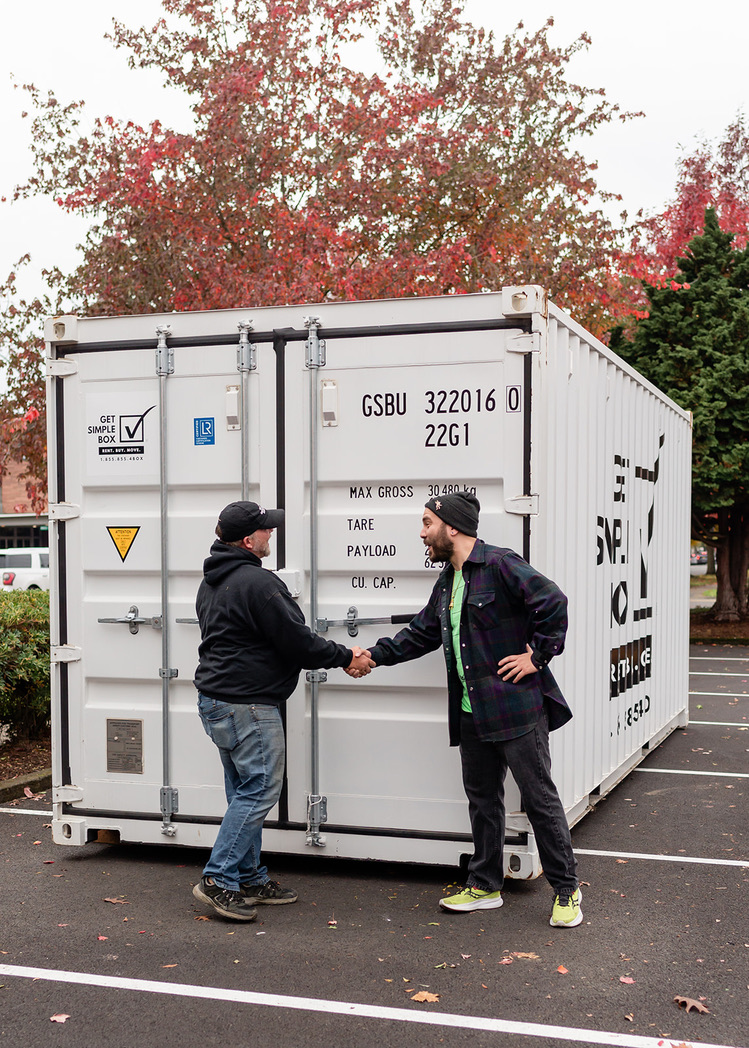
The Structural Comparison: How Get Simple Box Wins
Comparing an independent asset broker to an established network reveals a massive difference in safety, trust, asset longevity, and repeat business.
The chart below breaks down exactly how a Get Simple Box license compares to trying to act as a solo middleman or buying into a traditional corporate franchise.
Business Feature | Solo Asset Broker (Middleman) | Corporate Franchise | |
Operational Guidance | Full Delivery Playbook & step-by-step driver onboarding. | Zero formal training; reliance on random third-party drivers. | Rigid corporate logistics that strip away local flexibility. |
Marketing Support | Managed local SEO, digital ads, and review management. | Solitary, expensive local marketing campaigns from scratch. | Cookie-cutter national ads that ignore your local community. |
Inventory Sourcing | Preferred pricing via long-term supplier relationships. | Volatile marketplace pricing for variable quality cargo boxes. | Mandated purchases from strict corporate supply chains. |
Sales Infrastructure | Proven conversion scripts, tools, and pricing frameworks. | Guesswork on pricing models and unverified sales methods. | Automated, rigid call centers that alienate local customers. |
Community & Growth | 1-on-1 coaching and collaborative peer forums. | Isolated decision-making with high financial risks. | Strict oversight with steep royalty penalties and rules. |
Trying to build a business as a solo middleman leaves you trapped dealing with unreliable haulers, unpredictable equipment costs, and escalating marketing budgets. By utilizing our proven system, you combine the warm trust of a local business with the operational power of an established brand.
Frequently Asked Questions About Owning a Container Business
What is the difference between a license and a franchise?
Many traditional franchise opportunities force you to follow strict corporate scripts and take a large percentage of your monthly sales. Our licensing business model provides the operational framework, digital marketing authority, and supplier networks you need while letting you keep true executive control over your business.
How hard is it to get customers for a new container business?
It is very difficult for an isolated startup because search engines prefer established, highly trusted brands. Joining our network connects your local yard to a unified strategy that drives high-intent traffic and conex rentals leads directly to your business.
How much does it cost to rent a container per month?
On average, standard residential storage container rentals across the country range from $150 to $300 per month, depending heavily on your location and the box size. Because Get Simple Box pairs competitive, straightforward pricing with exceptional all-weather protection and local service, our operators provide the best overall value in their communities. Customers get a top-tier, secure container without paying the hidden logistics fees or administrative surcharges common with larger national brokers.
Is it cheaper to buy or rent a shipping container?
Renting is much cheaper up front if a customer needs short-term storage for a residential move or a temporary commercial project. However, if a client needs permanent, long-term asset storage on a farm, commercial property, or construction site, buying a new or used shipping container for sale outright offers a much better long-term return on investment.
Why shouldn’t I just hire a third-party trucking company to move my containers?
If you use random online drivers, you cannot guarantee exact delivery times, protect the customer’s property, or ensure proper compliance with local safety protocols. Our system provides you with the exact operational playbooks and onboarding guidelines needed to execute safe, professional deliveries every time.
Build a Business That Lasts with Get Simple Box
You do not have to shoulder the immense financial risks and operational hazards of the container storage industry all by yourself. Whether your goal is to introduce a premium portable storage business to a brand-new town or convert an underutilized gravel lot into a highly profitable container yard, we give you the exact tools, software, and training you need to succeed.
We help you completely bypass the frightening, expensive trial-and-error phase of a new startup by handing you a licensing business model that is already proven to scale.
Are you ready to claim your exclusive local territory, protect your hard-earned capital, and build a container business you can be genuinely proud of?
Related Posts:

Used Shipping Containers for Sale in Avondale, AZ – Get Simple Box
New vs. Used Shipping Containers for Sale in Avondale, AZ : The West Valley Guide Choosing between a new or
Shipping Container Ventilation Guide: Keep Your Gear Safe – Get Simple Box
Shipping Container Ventilation Guide: Keep Your Gear Safe Quick Summary: A heavy-duty steel box provides secure, weather-tight storage, but adding

Eastern WA Wildfire Relief Storage Credit | Get Simple Box
Eastern Washington Wildfire Relief: $250 Storage Credit for Affected Families & Businesses Wildfires have changed life for many families, businesses,
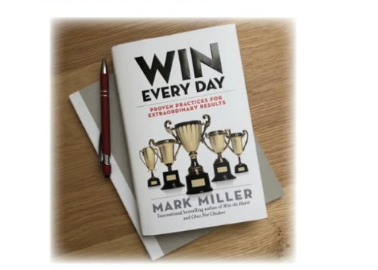
Win Every Day: Building a Great Business Through Daily Consistency
WIN EVERY DAY Great portable storage companies aren’t built by one big win. They’re built by winning every ordinary day.
Container Price Index: August 2026 Trends for Independence, OR
Container Price Index — August 2026: Independence & Mid-Valley Edition If you live in Independence, Monmouth, or anywhere in Polk
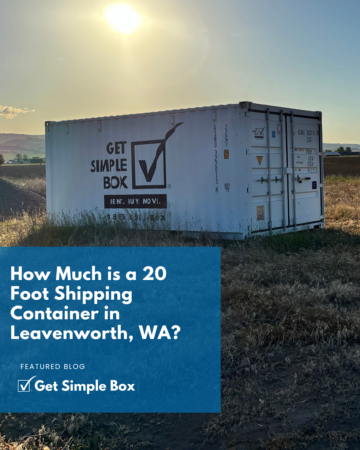
20 Foot Shipping Container in Leavenworth, WA | Get Simple Box
How Much is a 20 Foot Shipping Container in Leavenworth, WA? If you have spent any time searching for a