Shipping Container Scams: How to Spot Fake Brokers and Protect Your Money
A shipping container scam happens when fake online sellers, dishonest container brokers, or copycat websites demand quick upfront deposits for storage containers they do not own. To protect your money, always check the company’s physical yard address, look for local reviews online, ask to see the box first, verify their industry credentials, and pay with a secure credit card instead of instant cash apps.
Modern Container Fraud: Fake Brokers and Digital Identity Theft
If you are a property owner, contractor, or small business operator looking for extra space, buying a mobile storage unit is one of the smartest investments you can make. Whether you need a secure tool locker on a job site, extra dry storage on a farm, or a clean space to hold household items during a major renovation, finding a reliable conex box solves a massive logistical problem.
Unfortunately, shopping for a conex box or looking for shipping containers for sale online has become risky. Scammers know that demand for portable storage is booming. They are taking advantage of honest buyers by using professional-looking social media ads, fake invoices, and high-pressure tricks.
At Get Simple Box, our local office management teams talk to families and business owners every single week who have either been targeted or have unfortunately lost thousands of dollars to these modern digital traps. This guide breaks down exactly how these operations work, the psychological tactics behind them, and the specific red flags that give them away.
Why Real Yard Invoices and Physical Deliveries Can’t Be Spoofed
The world of online container fraud has changed. In the past, scams were just anonymous classified ads that vanished in a day. Today, tricksters use a much more dangerous trick: they pretend to be an independent container broker or a “digital creator.”
If you scroll through Facebook Marketplace, Craigslist, or local community buy-and-sell groups, you will see a flood of these listings. These sellers claim to be helpful middlemen who connect everyday buyers directly to major port supply depots.
The uncomfortable truth? The vast majority of these independent marketplace brokers do not own, hold, or have any physical inventory.
They are asset-free middlemen. They simply copy real invoices and steal pictures from legitimate companies like Get Simple Box.
The Open-Door Test: Why You Should Always Ask to Inspect Inventory In Person
When you try to buy from an unverified online agent instead of an established, local container provider, you run into major problems:
- The Sourcing Myth: The seller tells you they don’t have a local yard because they ship directly from the port to save you money. In reality, the vast majority of these independent marketplace brokers do not own, hold, or have any physical inventory. They are asset-free middlemen using pictures stolen from legitimate companies like Get Simple Box.
- The Identity Theft: To make you feel safe, the scammer will send you an invoice that looks incredibly official. They regularly copy our exact logos, colors, and font styles to create lookalike paperwork and fake email addresses.
- The Ghost Routine: They will answer your questions instantly, until the money is sent. The second your deposit clears, the polite “broker” completely vanishes, blocks your profile, deletes their listing, and leaves you with an empty driveway.
To spot an online scammer, you have to look closely at how they talk about logistics. Because a scammer’s only goal is to ghost you the second they receive your deposit, they don’t have to worry about an actual delivery.
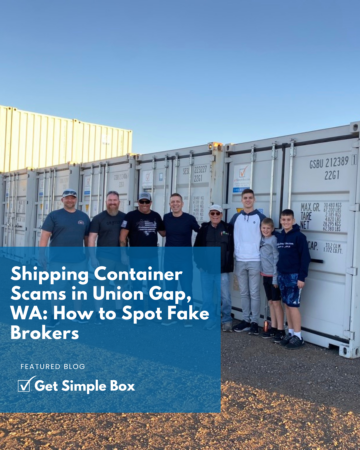
To completely bypass this risk, we always invite customers to visit our local yards and inspect our inventory in person. If an online seller makes excuses or discourages you from visiting a physical site, treat it as an immediate red flag.
We also highly recommend looking for customer reviews, specifically looking for detailed experiences. Checking these reviews helps you verify that real, local people have actually received physical equipment from the vendor. For example, look at this recent review we received from a local customer right here in Washington:
⭐⭐⭐⭐⭐ Simple Box is so simple and easy to work with.
“Simple Box is so simple and easy to work with. I had a 20ft container tricked out with full plywood, edge trim and electrical outlet. Thank you, Evan and Eric! Renee and Nicole have created a very friendly and knowledgeable office management team. Best service all around.”
—Paul
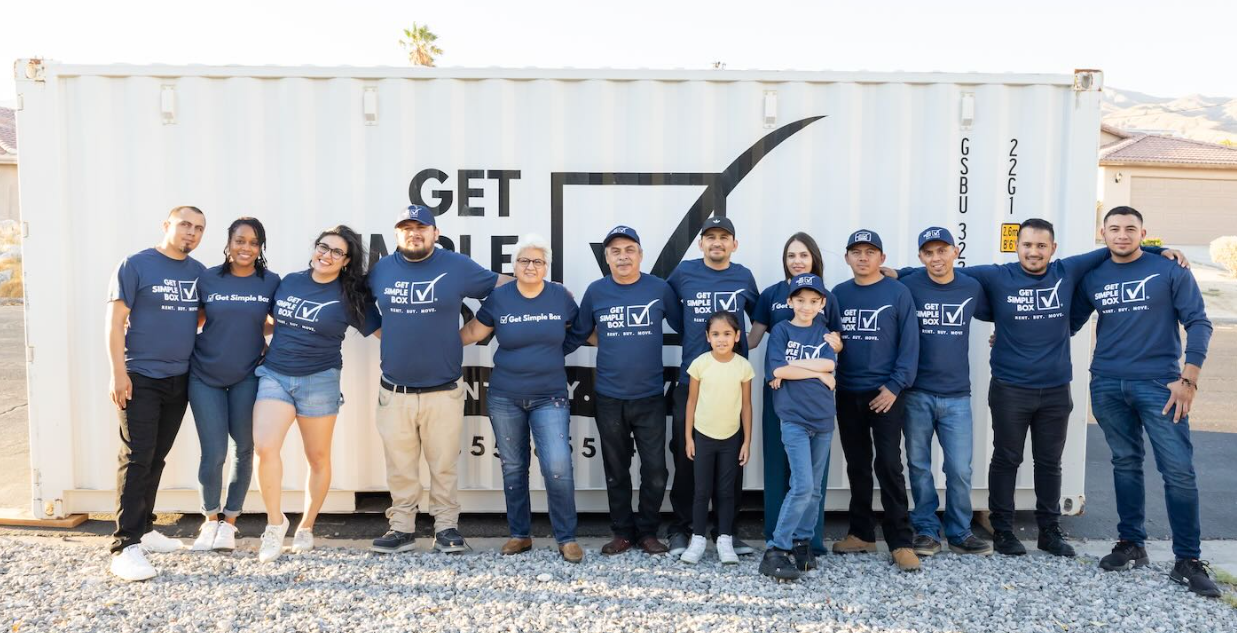
When you deal with a legitimate, established provider, you aren’t just buying a steel box from an anonymous middleman, you are partnering with an expert team. Scammers can’t fake this level of personalized, hands-on customer service.
The 4 Ultimate Red Flags of Shipping Container Scams on Facebook Marketplace
Container scams are common, but their warning signs are easy to spot if you know what to look for. When you are shopping for used shipping containers for sale or a 40′ shipping container for sale, keep an eye out for these red flags as they may represent a shipping container scam on Facebook Marketplace:
- Prices That Are Too Low to Be Real: If an ad offers a standard 20 foot shipping container for $500 or $1,000, it is a scam. High-quality steel and trucking costs make those ultra-low prices impossible.
- Demands for Instant Cash Apps: Real businesses use official corporate invoices and secure payment systems. If a seller insists you pay using Zelle, Venmo, Cash App, wire transfers, or gift cards, stop immediately. These apps act like cash. Once you send the money, your bank cannot get it back.
- Turned-Off Comments: If a social media post has the comments section turned completely off, be careful. Scammers do it so past victims cannot write comments warning other buyers. Also, if they refuse to give you a real phone number and will only text on WhatsApp or Facebook Messenger, walk away.
- Refuses to Let You See It: Scammers will make up wild stories about why you cannot inspect the container. They might say the box is “sealed at a secure port facility,” hidden in a restricted shipping zone, or that the deal expires in thirty minutes.
Spotting Fraud Using Technical Specifications and Dimensions
Scammers rely on the fact that most buyers do not know the technical details of shipping container construction or shipping container dimensions. They use vague, generic terms because they have never handled a portable storage container.
You can beat them at their own game by asking specific questions about container measurements and materials:
|
Container Size
|
Standard Measurements (L x W x H)
|
Material Requirements
|
Best Use Cases
|
|
10 ft Shipping Container
|
10′×8′×8.5′
|
High-Tensile CORTEN Steel
|
Tight driveways, small residential yards, mini job sites.
|
|
20 Foot Shipping Container
|
20′×8′×8.5′
|
Weatherproof Seals & Cam Rods
|
Moving a home, retail inventory storage, basic construction.
|
|
40 Foot Shipping Container
|
40′×8′×8.5′
|
Integrated Security Lock Boxes
|
Large farms, heavy commercial use, industrial job sites.
|
Before you sign an agreement or pay a bill for a shipping container rental or purchase, complete these five easy safety checks:
1. Check for NPSA Membership
The National Portable Storage Association (NPSA) is the official group that monitors the container industry. Legitimate, honest container companies are active members. If a seller is not listed on npsa.org, they have no accountability to industry standards.
2. Check Google Business and Trustpilot Profiles
Real companies have a long, traceable history online. Look for providers with verified customer reviews, photos of their branded delivery trucks, and clear pictures of an actual container yard. Avoid profiles that were created just a few weeks ago.
If a seller lists a business address, type it into a satellite map. Do you see an active lot filled with shipping containers for sale near me? Or does the address point to a residential house, an empty field, or a public park?
4. Ask for Transparent, All-In Pricing
Honest suppliers publish their prices or give you a complete quote upfront. Your quote should clearly show the price of the container, local sales tax, and the delivery fee based on your specific yard’s delivery clearance. If a broker adds hidden fees at the last second, cancel your order.
5. Only Buy Through Official Company Channels
Never buy a commercial asset through a private individual’s personal social media account. Make sure your official invoice comes from a real corporate web domain. Always pay with a major credit card, which has built-in fraud protection to protect your cash.
Authorized Local Specialist vs. Asset-Free Online Broker
This simple chart shows the big differences between an authentic container specialist and a typical marketplace scammer:
|
Feature
|
Get Simple Box (Verified Dealer)
|
Marketplace Broker / Scam Profile
|
|
Real Locations
|
Physical storage yards you can visit in person.
|
No brick-and-mortar office or container lot.
|
|
Payment Options
|
Secure corporate invoices and major credit cards.
|
High pressure for Zelle, Venmo, or wire transfers.
|
|
Delivery Methods
|
In-house delivery playbooks and trained drivers.
|
None, they don’t deliver a container
|
|
Customer Track Record
|
Verifiable history with genuine online reviews.
|
Brand-new profiles with hidden or closed comments.
|
|
Pricing Model
|
Straightforward, all-in quotes with no hidden fees.
|
Ultra-low price hooks followed by sudden charges.
|
Frequently Asked Questions About Container Scams
Are all container ads on Facebook Marketplace fake?
Not all of them, but informal buy-and-sell sites are highly targeted by fraudsters. Industry data shows that a huge percentage of cheap container rental or sale ads on social networks are fake. Always double-check the seller on their official website before you buy.
How do I report a shipping container scam?
If you find a scammer or lose money to a fraud trick, save your screenshots, texts, and receipts. File a report with the Federal Trade Commission (FTC) at reportfraud.ftc.gov and the FBI’s Internet Crime Complaint Center (IC3) at ic3.gov. If a scammer is using a real company’s logo, let that business know so they can protect other families.
What should I do if I already sent money to a scammer?
Call your bank or credit card company immediately. Tell them you were targeted by an online marketplace scam and ask them to perform a chargeback or freeze the transaction right away.
Does Get Simple Box sell containers through independent brokers?
No. Get Simple Box operates through our own helpful team, physical storefront yards, and verified official web channels. We never hire freelance marketplace brokers to handle deals over personal chat apps.
Buy and Rent with Absolute Confidence
Online scammers are finding new ways to trick people every year, but their warning signs stay exactly the same. Do not let high-pressure language or crazy low prices rush your choice.
Protect your property, your project timeline, and your money by working with a verified local guide. At Get Simple Box, our yards are real, our pricing is completely transparent, and our friendly delivery professionals are trained to put your container exactly where you need it.
Get a transparent, no-pressure container quote from the Get Simple Box team today.