
What Do I Really Need to Check Before Renting a Conex Box?
If you’re thinking about renting a Conex Box, it’s worth taking a few extra minutes to make sure you get the right one for your needs. From container condition to site prep and permits, a little planning upfront can save you hundreds of dollars and a lot of frustration later.
At Get Simple Box, we’ve delivered thousands of Conex Boxes across the country, and we’ve learned that a bit of preparation goes a long way.
Table of Contents
Why It’s Important to Check a Conex Box Before Renting
Renting a Conex Box might seem simple, but skipping essential steps can lead to leaks, rust, or doors that jam. Taking 30 minutes to inspect and prepare can save you hours of frustration and hundreds of dollars in repair or redelivery fees.
Quick Summary: What to Check Before Renting
- Inspect the container’s condition using the Container Inspection Checklist.
- Make sure your site is level and accessible.
- Check your local zoning and permit rules.
- Verify insurance and liability coverage.
- Understand the delivery and pickup process.
- Add security and weatherproofing accessories.
Step 1: Inspect the Condition of the Conex Box
Before renting, ask to see your Conex Box in person or request detailed photos. The condition affects durability, weatherproofing, and how safely your items will be stored.
What to inspect:
- Exterior walls: No large dents, cracks, or corrosion.
- Roof: No visible rust or light coming through when doors are closed.
- Doors: Should open smoothly and seal tightly.
- Flooring: Marine-grade plywood, dry and sturdy.
- Vents: Ensure they’re clear to prevent condensation.
- Smell: Avoid boxes with chemical or mold odors.
Pro Tip: Always confirm your container is rated “wind and watertight” (WWT).
Understanding Conex Box Conditions and Grades
Not all containers are created equal. Shipping containers, also known as ISO containers, cargo containers, or Conex Boxes, are classified by their condition, which tells you how much they’ve been used and what they’re best suited for.
One-Trip (New)
These are brand-new containers that have only been used once for international shipping.
Best for: Long-term storage, modifications, or when you want a clean, modern appearance.
Highlights:
- Excellent condition with minimal wear
- Long lifespan and strong resale value
- Ideal for container homes, offices, or high-visibility spaces
IICL (Institute of International Container Lessors)
The highest-grade used container, maintained to strict leasing standards.
Best for: Customers who want durability and clean appearance without paying new-box prices.
Highlights:
- Structurally sound and visually clean
- Minor cosmetic wear only
- Fully certified for shipping and stacking
Cargo Worthy (CW)
Used containers that still meet international standards for cargo transport.
Best for: Reliable shipping or budget-friendly storage.
Highlights:
- Structurally solid but with visible wear
- Certified for cargo use
- Cost-effective and dependable
Wind and Water Tight (WWT)
No longer certified for cargo but still sealed against the elements.
Best for: Stationary or on-site storage.
Highlights:
- Keeps out wind, rain, and pests
- Great value for secure, weather-resistant storage
- May have cosmetic rust or dents
As-Is
Sold or rented exactly as they are, with no repairs or guarantees.
Best for: DIY projects, scrap use, or non-critical storage.
Highlights:
- Most affordable option
- May have rust, holes, or door issues
- Not watertight
Pro Tip: Always ask which condition grade your container falls under before renting or buying. Knowing the difference ensures you get what you expect.

Step 2: Prepare Your Site Before Delivery
A strong, level foundation is key. Even the best Conex Box can settle unevenly if your site isn’t ready.Taking the time to prepare your site ensures your container stays level, secure, and easy to access year-round.
Think of your site as the “parking spot” for your Conex Box, it needs to be stable, level, and safe for both the delivery truck and the container itself. A few small adjustments now can save a lot of effort later.
Site Prep Checklist:
- Ground: Use gravel, asphalt, or concrete — avoid soft dirt that can shift after rain.
- Level surface: Keeps doors working smoothly and prevents uneven settling.
- Drainage: Make sure rainwater flows away from the container base to prevent rust or flooding.
- Support blocks: Use railroad ties or concrete pads at corners for stability and airflow.
- Clearance: Leave at least 3–5 feet of space on all sides for access and ventilation.
If you’re placing your Conex Box in a tight or sloped area, let your delivery team know in advance. Get Simple Box can help assess accessibility, turning radius, and placement to ensure a smooth delivery from start to finish.
Pro Tip: Take photos or measurements of your site and share them when you request a quote, it helps your provider recommend the best setup for your location.
FAQ
Q: Can I place my Conex Box on grass?
A: It’s okay short-term, but moisture can cause rust. Gravel or pavement is best.
Step 3: Check Local Permits and Zoning
Many renters are surprised to learn that a Conex Box can be classified as a temporary structure in some cities or neighborhoods. Local rules vary widely, what’s perfectly fine in one area might require a short-term permit or written approval in another. Understanding these regulations before you schedule delivery can help you avoid fines, delays, or even being asked to remove your container.
Before renting, check:
- City or county permit requirements: Especially if you’re placing the container in your driveway or on residential property.
- Zoning rules: Some areas restrict visible containers or set time limits for how long a Conex Box can stay in place.
- HOA guidelines: Homeowners’ associations often have aesthetic or placement restrictions you’ll want to confirm in advance.
Taking a few minutes to review these details ensures your project goes smoothly and keeps you compliant from start to finish.
Pro Tip: Call your city’s planning department or visit their website to confirm the latest requirements before delivery day. A quick call now can save a lot of time later.
FAQ
Q: Do I need a permit for a Conex Box at my home?
A: It depends on local rules. Many areas allow temporary placement without a permit, but it’s best to confirm.
Step 4: Verify Insurance and Liability Coverage on your Conex Box
Even durable Conex Boxes need coverage for accidents, theft, or damage. It’s one of the most commonly overlooked parts of a rental agreement, and one of the most important. Even though these containers are built to be durable and secure, unexpected things can happen during delivery, while on your property, or in severe weather conditions.
Asking a few quick questions up front can help you avoid disputes and protect your investment:
Ask your insurance provider:
- Who covers damage during delivery or pickup?
- What if the Conex Box is stolen or vandalized?
- Are your items insured while stored inside?
Most rental companies cover the container structure itself but not the contents inside. That’s why it’s a good idea to check your homeowner’s or business insurance policy, many offer temporary storage or off-site coverage that extends to items stored in a Conex Box on your property. If not, you can usually add short-term protection for just a few extra dollars a month.
Pro Tip: Always get your coverage terms in writing. Knowing exactly what’s included gives you peace of mind and helps you avoid unexpected costs if something goes wrong.
FAQ
Q: Does my insurance cover a rented Conex Box?
A: Some policies do, especially if used on your property. Check with your insurance agent first.
Step 5: Understand the Delivery and Pickup Process
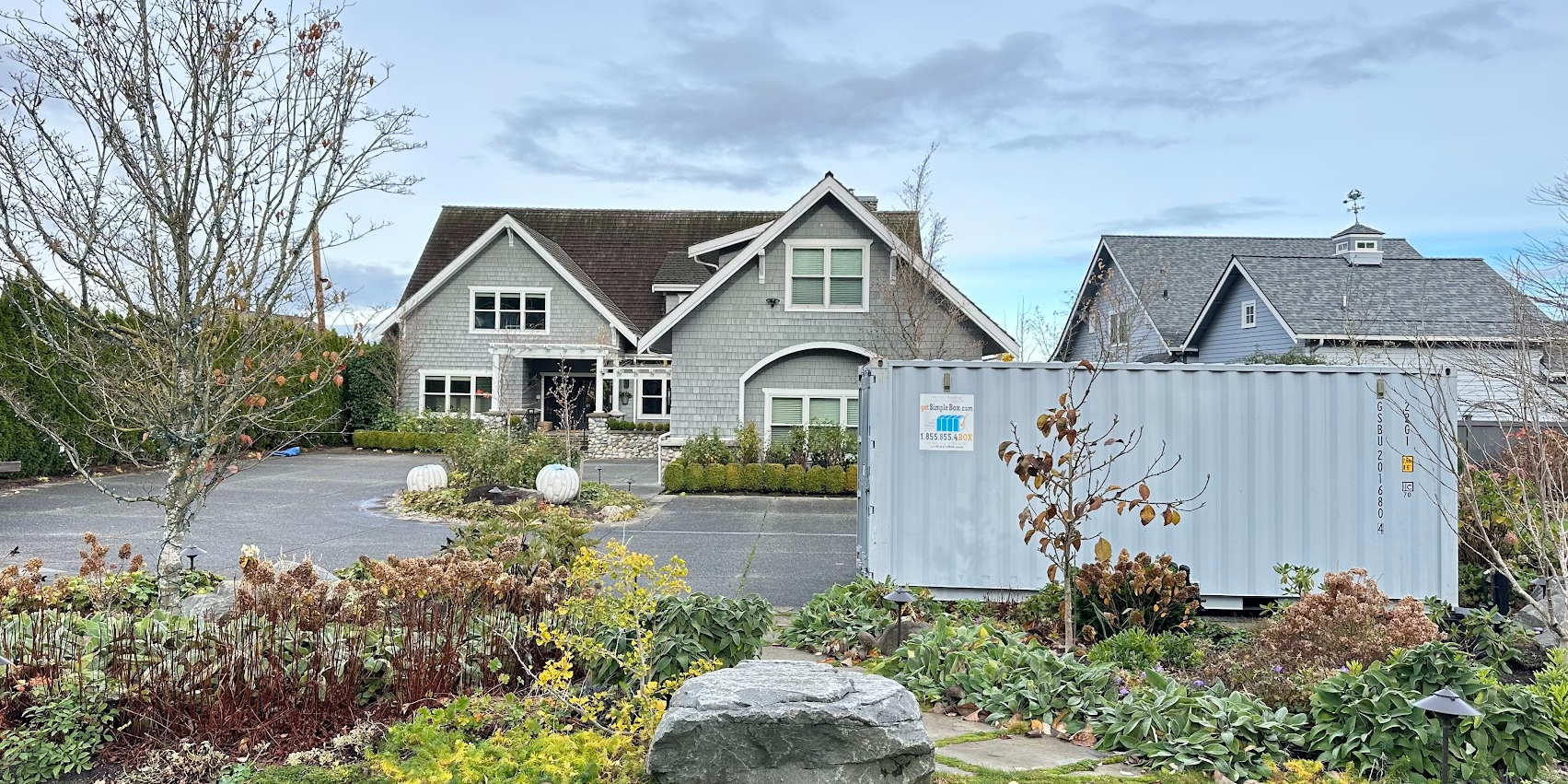
A Conex Box delivery is not like dropping off a small trailer. These containers weigh several thousand pounds and require skill to position correctly.
Here’s what to expect from your container delivery:
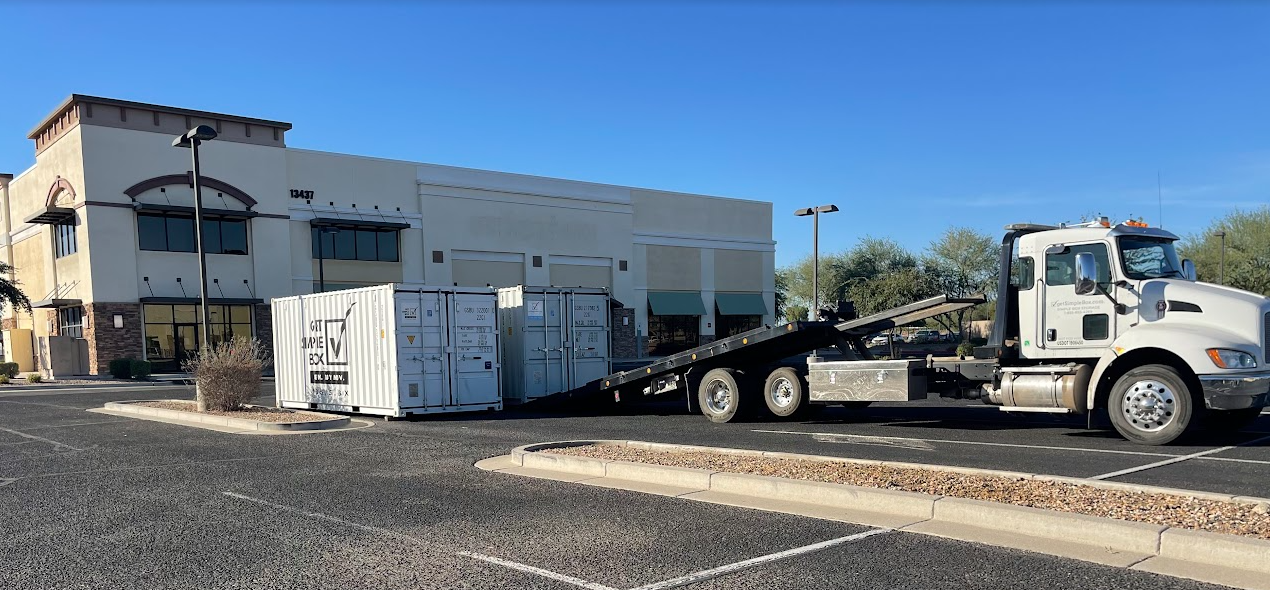
- Delivery truck type: Tilt-bed trucks are common for easy placement.
- Clearance: 12 feet wide, 14 feet high, and 60–100 feet of straight path is typically needed.
- Communication: The driver will contact you before arrival.
- Placement: The container is tilted off the truck slowly and set in place.
- Pickup: Schedule at least 48 hours in advance.
- Size-specific requirements:
- 10ft Containers: Require the least space, about 40 feet of straight clearance. Great for tighter driveways or smaller lots.
- 20ft Containers: Standard for most deliveries; need around 60 feet of straight clearance.
- 40ft Containers: Require the most room, plan for at least 100 feet of straight clearance and a wide, firm turnaround area.
Get Simple Box’s local delivery teams verify the space and approach angle before bringing your Conex Box on-site, no guessing required.
FAQ
Q: Do I need to be home for my container delivery?
A: It’s best to be present to confirm placement, but some locations can deliver with remote instructions.
Step 6: Add Security and Weatherproofing
Even a strong Conex Box benefits from a few smart upgrades. These prevent theft, pests, and moisture damage, and they can make your storage experience far more convenient and dependable. While every container is built to be secure and weather-resistant, a few small improvements can extend its lifespan and protect your valuables in any climate.
Think of these upgrades as preventive maintenance: they keep your container looking good, functioning properly, and sealed against the elements. Whether you’re storing tools, furniture, or business equipment, these add-ons help you get the most out of your Conex Box rental.
Recommended Container Upgrades:
- Lockbox or puck lock: Heavy-duty lock protection.
- Electrical upgrades: Add wiring for lights, outlets, or full electrical packages, ideal for offices, studios, or living spaces.
- Ventilation: Reduces condensation inside the box.
- Dehumidifier or desiccant packs: Optional for humid climates.
- Lighting or shelving: For frequent access.
Pro Tip: Ask your provider if they offer pre-installed lockboxes or vents- it’s often cheaper upfront.
FAQ
Q: Are Conex Boxes waterproof?
A: Yes, when properly sealed. Regularly inspect gaskets and vents for wear.
Step 7: Know When to Rent vs. Buy
If you’ll only need storage for a few months, renting a Conex Box makes perfect sense. But if you plan to use it for a year or more, purchasing may actually save money in the long run. The decision really comes down to your goals, whether you want short-term flexibility or a lasting asset you can modify and reuse for years to come.
Renting gives you convenience without commitment, while buying gives you control, customization, and long-term value. If you’re not ready to buy outright, our Rent-to-Own program offers a flexible path to ownership with low monthly payments and no credit check. Understanding your timeline and how you’ll use the container will help you make the best financial and functional choice.
Factor | Rent a Conex Box | Buy a Conex Box |
Upfront Cost | Lower | Higher |
Duration | Short-term | Long-term |
Ownership | Temporary | Permanent |
Modifications | Not allowed | Fully customizable |
Resale Value | None | Retains resale value |
Renting is ideal for short-term projects; buying is better for long-term storage, modifications, or resale value. Many customers start by renting and later decide to buy. Get Simple Box offers both options and can help you compare costs.
FAQ
Q: How long can I rent a Conex Box before buying makes sense?
A: If you’ll need it more than 12 months, buying is usually more cost-effective.
Step 8: Avoid Common Conex Box Rental Mistakes
Many first-time renters assume every Conex Box rental is the same, but a few key details can make the difference between a smooth experience and a costly headache. Based on what we’ve seen in thousands of deliveries, here are the most common pitfalls to avoid.
- Not measuring delivery space correctly.
- Forgetting to prepare the site or level the ground.
- Ignoring permit or HOA rules.
- Failing to verify insurance coverage.
- Renting an “as-is” unit without inspection.
- Choosing a company that outsources delivery.
Each of these can be prevented with a little pre-rental planning and by choosing a reputable provider like Get Simple Box.
FAQ
Q: What’s the most common Conex Box rental mistake?
A: Not preparing a level surface before delivery. It leads to door and drainage issues later.
Why Choose Get Simple Box for Your Conex Box Rental
At Get Simple Box, we believe storage should be simple, secure, and local. We deliver quality Conex Boxes that are inspected, photographed, and ready for your property, no hidden surprises.
Why Rent or Buy from Us:
- Locally owned and operated in multiple regions.
- Every container is wind- and watertight inspected.
- Transparent pricing and no hidden fees.
- Friendly, experienced delivery team.
- Options to rent, buy, or customize your Conex Box.
Feature | Get Simple Box | National Chains | Online Brokers |
Local Delivery | ✅ Yes | ⚠️ Outsourced | ❌ None |
Condition Guarantee | ✅ Photo-verified | ⚠️ Limited | ❌ None |
Customer Support | ✅ Local Experts | ❌ Call Center | ❌ Automated |
Custom Options | ✅ Available | ⚠️ Minimal | ❌ Not offered |
FAQs – Renting and Buying a Conex Box
Q: What sizes of Conex Boxes are available?
A: Most rentals come in 10 ft, 20 ft, or 40 ft sizes. Here’s a helpful guide if you don’t know how to choose the right size.
Q: Can I move a rented Conex Box myself?
A: No, it requires professional equipment.
Q: How long does delivery take?
A: We can often deliver within 48 hours once availability is confirmed.
Q: Can I keep a Conex Box on my property long-term?
A: Yes, if permitted by local regulations.
Q: Are Conex Boxes secure?
A: Extremely. Steel walls and lockboxes make them one of the safest storage options available.
Choose the Right Conex Box the First Time
Renting a Conex Box doesn’t have to be stressful. When you take time to inspect, prepare your site, and choose a trusted provider, you’ll have a safe, simple, and worry-free storage experience.
Ready to find the right Conex Box for your project? Get Simple Box offers new and used Conex Boxes for rent or sale, with transparent pricing and local delivery from a team you can trust.
Related Posts
Portable Storage Containers Salem OR: Get Simple Box vs. PODS®, GrandBox Northwest & Cascade Containers Finding the right Portable Storage
Shipping Containers for Disaster Relief in Edmonds, WA: Delivering Hope & Local Aid Quick Summary: Using shipping containers for disaster
How Much Does a Shipping Container Cost – Monthly Market Update for New One-Trip Shipping Containers
How Much Does a Shipping Container Cost? — September 2026 The average price for a new one-trip shipping container in
Shipping Container Ventilation in Coupeville, WA: Defeat Maritime Moisture & Summer Heat Quick Summary: Adding proper ventilation through shipping container

How Shipping Containers for Disaster Relief Are Delivering Hope in Venezuela Using shipping containers for disaster relief is a simple,
How Much Does a Shipping Container Cost in Snoqualmie Pass, WA? (2026) Quick Summary: Finding the right shipping container cost