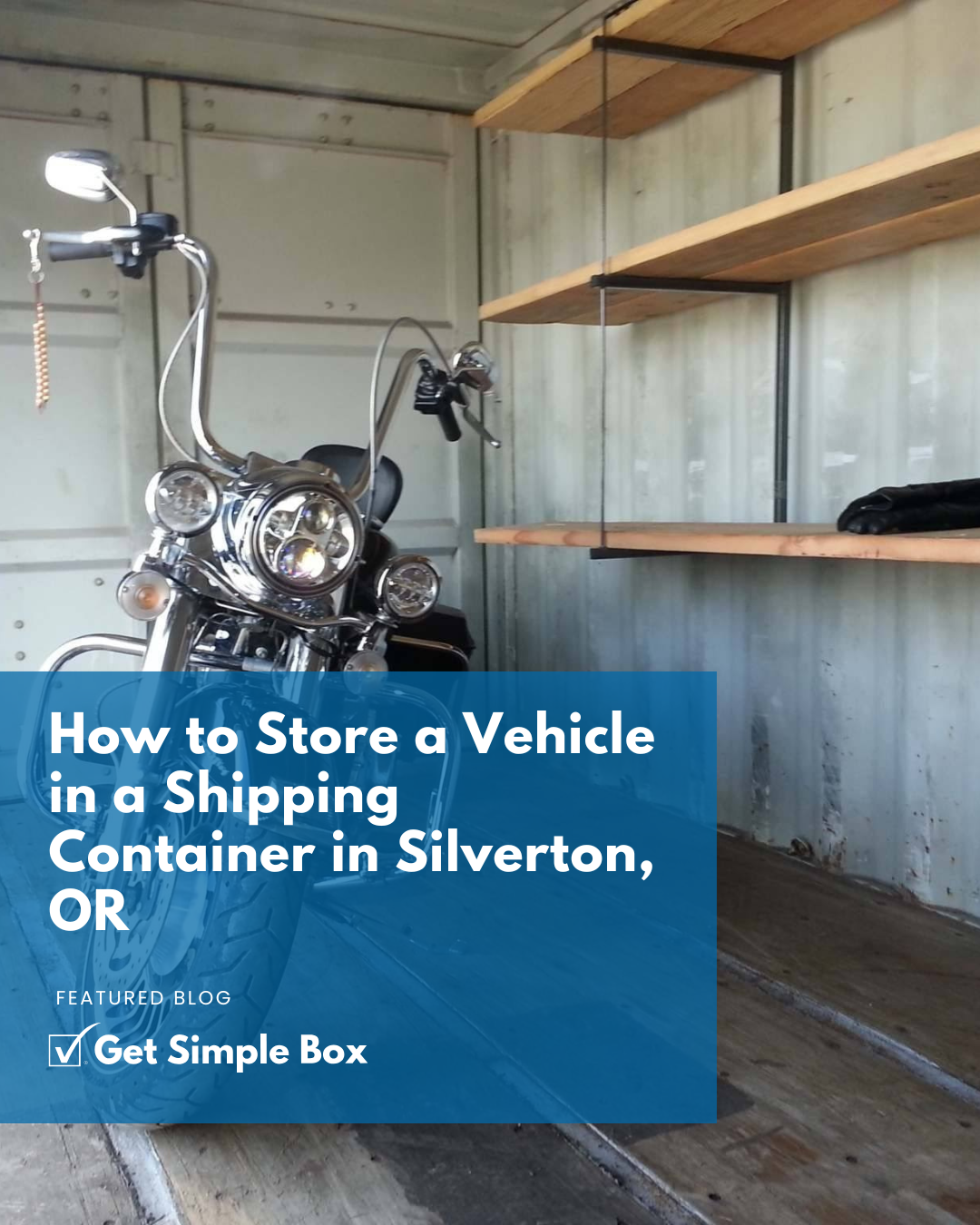
How to Store a Vehicle in a Shipping Container in Silverton, OR | Safe, Local Storage Guide
Storing a vehicle in a shipping container is a practical, secure, and flexible solution for Silverton residents. Whether you’re protecting a classic car, an overlanding rig, or farm equipment from seasonal rain, condensation, and theft, a container provides a garage-like space without the cost or hassle of building permanent structures. In this guide, we’ll walk you through choosing the right container size, preparing your site, securing your vehicle, and even creative storage setups, so you can keep your vehicle safe, organized, and ready to go year-round.
Table of Contents
What “Storing a Vehicle in a Shipping Container” Really Means in Silverton, OR
In a place like Silverton, Oregon where the rain settles in for months, fog clings to the foothills, and vehicles rust faster than their owners expect, storing a vehicle in a shipping container just makes sense. Instead of leaving a car or ATV out in the open or struggling with limited garage space, many local homeowners are turning to storage container rentals in Silverton, options to create a secure, weather-tight shelter right on their own property.
This isn’t just a workaround; it’s a practical alternative to building a garage, especially if you live on acreage, have a sloped driveway, or simply want a flexible solution that can move with you. Whether you’re storing a classic car you only drive on sunny days or keeping an overlanding rig dry between trips, a steel conex box offers protection, longevity, and peace of mind.
Why Silverton Residents Choose Container Storage for Their Vehicles
Silverton locals know how quickly the Pacific Northwest can turn on you. One day it’s crisp and sunny; the next, it’s sideways rain and a thick blanket of fog rolling down from Silver Falls State Park. Add in the seasonal temperature swings, tree debris, and the constant damp that settles into the valley, and it’s easy to see why people here look for dependable protection for their vehicles year-round. For many homeowners, hobbyists, and small-acreage property owners, portable storage containers have become one of the simplest and most reliable solutions.
This is why portable storage containers for rent in Silverton have become a go-to option for keeping cars, trucks, ATVs, project rigs, and toys protected:
They protect against the elements. Silverton’s wet climate is no joke, rain, mist, creek moisture, and morning dew can accelerate rust, corrode wiring, and ruin paint. Even a covered carport still leaves vehicles exposed to wind-blown rain and debris. A sealed steel container creates a dry, enclosed micro-environment that shields vehicles from moisture intrusion, UV exposure, falling branches, and harsh winter storms.
They provide strong security. Between rural properties, trailheads, and small neighborhoods, vehicle theft and vandalism remain ongoing concerns in Marion County. Containers offer peace of mind with thick steel walls, tamper-resistant lock boxes, and only one secure entry point. They also keep vehicles safe from curious wildlife, raccoons, rodents, and even elk that may wander down from the foothills.
They’re flexible and fit nearly anywhere. Whether it’s a small hobby farm outside town, a shop on C Street, or a gravel pull-off near Oak Street, containers can be delivered wherever you have a reasonably flat space. They don’t require permanent foundations, building permits, or major site prep. Many Silverton residents place them alongside barns, tuck them along a tree line for a low-visibility setup, or keep them close to the driveway for easy access.
They’re often more affordable than building a structure. Building any kind of permanent garage or outbuilding in Silverton comes with costs, lumber prices, roofing materials, concrete, electrical work, and the time and hassle of navigating permits. A storage container rental in Silverton typically costs far less upfront. And because it’s temporary, residents get full protection without committing to a major construction project.
They’re delivered locally, fast. Get Simple Box provides quick local delivery throughout Silverton and the surrounding area. Whether you’re storing a collector car you only drive in summer, your kid’s first project truck, or a side-by-side that needs winter protection, your container can be delivered right to your property, level, ready to use, and without the headaches of coordinating contractors or hauling a trailer into town.

What Types of Vehicles Fit Inside a Container in Silverton?
Most people are surprised by how many different vehicles can fit inside a standard shipping container. Because containers come in multiple lengths and offer wide, unobstructed entry points, they’re a versatile option for anyone needing safe, enclosed storage on a Silverton property. Whether you’re dealing with rain-soaked winters, summer dust from surrounding farmland, or limited garage space, chances are good that a container can handle what you need to store. With a little planning, and sometimes a simple modification like removing a roof rack, containers can accommodate everything from daily drivers to weekend adventure rigs.
Here are the most common vehicle types Silverton customers store:
Classic cars, project cars, and refinishing projects. Collectors and hobbyists use containers as temporary garages to keep their cars dry and protected while they wrench, restore, or repaint. The controlled environment helps prevent rust and keeps sanding dust or debris away from exposed metal and bodywork.
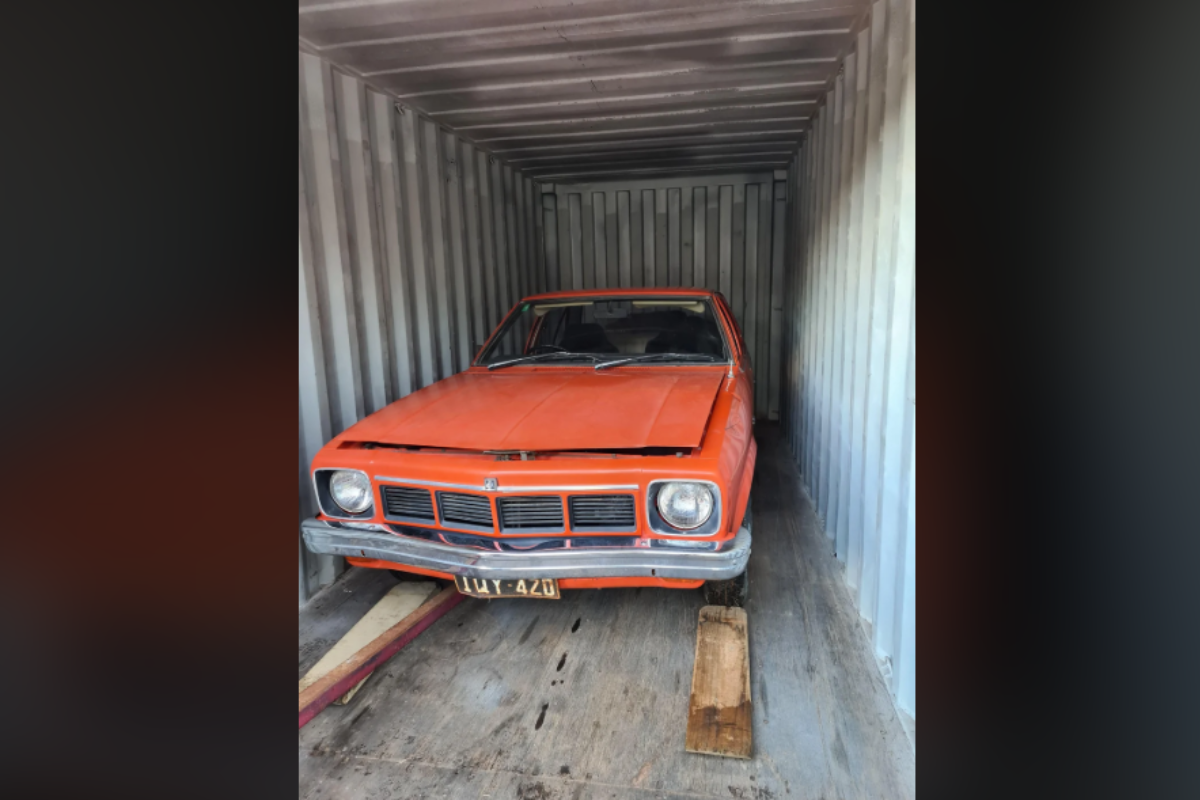
Sedans, SUVs, and family vehicles. Standard family cars fit easily into a 20 ft shipping container – or a 40-foot container. Parents often store secondary vehicles or seasonal-use rigs to free up driveway space or keep them from sitting out in the weather during the school year or winter months.
Small pickups and mid-size trucks. Silverton’s work trucks, farm trucks, and everyday pickups (like Tacomas, Rangers, Frontiers, and many half-tons) typically fit inside most containers. With door openings around 7.5–8 feet tall and wide, there’s plenty of clearance for mirrors, beds, and typical cab heights.
Overlanding rigs with rooftop tents. Adventure rigs are common in the Silver Falls area. Many will fit inside containers if rooftop tents or racks are removed, or if the setup is already low-profile. Containers give overlanders a secure, weather-tight spot to store gear-heavy rigs between trail weekends.
ATVs, UTVs, and side-by-sides, are easy to store, and a 10-foot shipping container offers a compact, secure solution. Whether for hunting, trail riding, or farm chores, it provides enough space to park your vehicle and still walk around or add shelving for helmets, straps, jacks, and tools. 10 ft L × 8 ft W × 8 ft 6 in H; weight ~2,900 lbs
This size is perfect for smaller properties or limited spaces where you need secure, weather-proof storage without taking up too much room.
Farm equipment like lawn tractors or small implements. Rural Silverton properties often use containers to protect equipment from rust, rodents, and exposure. Compact tractors, riding mowers, tillers, and attachments all fit easily and benefit from being stored off the grass and out of the rain.
If your vehicle comfortably fits in a driveway with a little room to spare, odds are great we can match you with the right container for rent in Silverton, OR to keep it secure and protected.
Pro Tip: When choosing a container, think in terms of vehicle length plus 3–4 feet of extra room.
- 20-foot shipping containers are ideal for sedans, small SUVs, ATVs/UTVs, and most classic cars.
- 40-foot shipping containers comfortably fit full-size pickups, longer overlanding rigs, and multiple small vehicles or equipment in a single unit.
If your vehicle fits in your driveway with some breathing room, there’s a container size that will fit it, even if you need a little space to work around it.
How to Choose the Right Container Size for Your Vehicle
Choosing the right container size depends on the type of vehicle you’re storing, how often you need to access it, and how much extra space you want to work or walk around inside. In Silverton, where rain, mud, and tree debris can make outdoor vehicle storage messy, many people prefer to choose a container with a little breathing room so they can store extra gear alongside the vehicle. Below is a breakdown of the most common container options for Silverton customers:
The 20-foot shipping container is our most popular size for vehicle storage and general use in Silverton. It’s a versatile, secure, and weather-tight solution that works for a single vehicle, small equipment, or a combination of storage and workspace. Many customers choose a 20-foot shipping container for moving, renovations, or job site storage, which are roughly 33% larger than typical moving containers, giving you more room to fit your belongings or gear alongside a vehicle.
Best for:
- Sedans
- Compact trucks
- Smaller SUVs
- ATVs, UTVs, and side-by-sides
- Small farm equipment like mowers or compact implements
Because of their manageable footprint, 20-foot conex boxes are often the easiest to place on rural properties, gravel pads, and driveways.
20-Foot Shipping Container Dimensions: 20′ L × 8′ W × 8′6″ H, weight ~4,900 lbs
There are also a few specialized options to consider:
- High Cube 20-Foot Container: One foot taller than standard (9′6″), ideal for taller vehicles or additional lofted storage. High Cube units are rarer and generally available only as new containers.
- Double-Door 20-Foot Container: Features cargo doors on both ends for easier loading, especially helpful if you plan to drive vehicles straight in or out.
A 20-foot container is the go-to choice for Silverton residents seeking a reliable, flexible storage solution without taking up excessive space on their property.
A 40-foot conex container doubles your usable space and is ideal if you want a dedicated storage-and-work area or need to store multiple smaller vehicles. Many people in Silverton choose these when they need both protection and workspace during rainy months.
Best for:
- Longer pickups and full-size trucks
- Overlanding rigs with gear systems
- Two small vehicles (e.g., sedan + ATV)
- Vehicle + workshop combo setups
- Seasonal equipment alongside your vehicle
This larger container size is also helpful for storing gear, spare parts, and tools without crowding your vehicle.
Despite its larger footprint, a 40-foot container is still portable and can be placed on prepared gravel pads, asphalt, or concrete. Planning your site is important to ensure the delivery truck can access and position the container safely.
40-Foot Shipping Container Dimensions: 40′ L × 8′ W × 8′6″ H, weight ~8,000 lbs
Special options include:
- High Cube 40-Foot Container: One foot taller (9′6″) for taller vehicles or added vertical storage. Ideal if you want to build lofted shelving or store bulky gear.
- Double-Door 40-Foot Container: Cargo doors on both ends allow drive-through access, which is helpful for moving vehicles or equipment in and out without reversing.
A 40-foot container provides maximum flexibility for Silverton homeowners, overlanders, and contractors who need secure, weather-tight storage with plenty of room for vehicles and gear.
Not sure which size makes sense? We can help measure your vehicle on-site and walk you through all available conex box sizes in Silverton to match your setup perfectly.
Pro Tip: Bring your full vehicle measurements, including length and height with racks, rooftop tents, or toolboxes installed. A vehicle that fits in a standard container in summer may not fit once you add winter gear, lift kits, or accessories. When in doubt, choose the next size up, you’ll never regret extra space for tools, gear, and easy access.
Renting vs. Buying a Container for Vehicle Storage
Both renting and buying a container can work well for vehicle storage in Silverton, the right choice simply depends on how long you plan to store your vehicle, how much customization you want, and whether the container will stay in one place long-term. Silverton residents often start with a rental and switch later, once they know exactly what size and setup fits their vehicle best. Below is a more detailed look at each option.
Renting is ideal for anyone needing short-term protection, seasonal coverage, or a temporary garage during a project. It’s a flexible, low-commitment option, perfect for Silverton’s changing weather and for people who may only need enclosed storage for a few months at a time.
Renting is especially popular for:
- Seasonal storage during winter rain and freezing nights
- Temporary protection while remodeling a garage or shop
- Moving container rental in Silverton, OR
- Short-term storage rental in Silverton, OR when you need space but not a permanent solution
- Homeowners who want a trial period before deciding what size container to eventually purchase
With a rental, you get weather-tight, secure storage delivered quickly without the upfront cost of ownership.
Buying a container, or choosing a rent-to-own storage container in Silverton, is the better option when you want long-term security and full ownership of the structure. This route allows you to modify the container as needed, whether that means adding shelves, power, lighting, vents, or tool storage.
Buying or rent-to-own works best for:
- Permanent off-garage parking
- Dedicated home workshops or vehicle bays
- Long-term restoration projects that take months or years
- Farm and acreage storage, where a container becomes a multi-purpose tool shed
- Overlanding or hobbyist setups where extra gear and parts stay with the vehicle year-round
A purchased container becomes a durable, movable building on your property, one you can repurpose anytime.
We also offer flexible rent-to-own shipping containers in Silverton, OR, allowing you to start with low monthly payments and switch from renting to owning whenever the time is right. Many customers start with a rental, confirm that the size and placement works, and then roll into ownership with no interruption to their storage.
Step-by-Step: How to Store a Vehicle in a Shipping Container in Silverton, OR
Storing a vehicle properly keeps it in top shape and prevents the slow, hidden damage that comes from Silverton’s damp winters, cold nights, and moss-loving climate. Whether you’re storing a classic car, a daily driver, or a side-by-side, following these steps ensures your vehicle stays dry, safe, and ready to go when you need it. These guidelines are tailored specifically to Silverton’s moisture, terrain, and seasonal temperature swings.
Step 1: Control Moisture
Silverton’s winter humidity, spring fog, and fall rainstorms make moisture control absolutely essential inside a storage container. Even a small amount of trapped damp can lead to mildew, surface rust, and electrical issues over time. Use the following tools to keep things dry:
- Silica gel packs or DampRid to absorb ambient moisture
- Replace monthly during wet seasons (November–April)
- Air the container out briefly on dry or breezy days before sealing it again
- Consider passive vents or solar fans if storing a vehicle long-term or year-round
Keeping air moving inside the container creates a far more stable environment for metal, upholstery, and electronics.
Step 2: Prepare Fuel & Battery
Fuel and batteries behave differently in cold, damp environments, so prepping them protects your vehicle and reduces headaches later. Best practices include:
- Fill the fuel tank ½ to ¾ full to reduce vapor expansion
- Use a fuel stabilizer if you’ll be storing the vehicle for several months
- Disconnect the battery to prevent slow drain from onboard electronics
- Use a battery maintainer if you have access to shore power at the container location
A well-prepped battery and stable fuel mix prevent the most common startup issues after long storage.
Step 3: Prepare the Site
Silverton’s ground conditions shift throughout the year—soft clay along Silver Creek, firmer soil in town, and gravel-rich terrain toward the foothills. Choosing the right surface ensures the container stays level and stable. The best surfaces include:
- Compacted gravel (most common for rural Silverton properties)
- Pavers for level access
- Concrete pads for the most stable, long-term placement
Avoid placing the container on grass, mud, or soggy soil, particularly during winter. Soft ground can shift, creating an uneven floor inside the container.
Step 4: Use a Breathable Car Cover
Protect the vehicle’s paint and interior by using a breathable, non-plastic cover.
- Avoid plastic tarps, which trap moisture and can cause condensation that damages paint
- Choose cotton, microfiber, or fabric covers that allow air to circulate
- Covers also help protect against dust, pollen, and debris blown in during loading
This small step significantly reduces paint damage and mildew buildup.
Step 5: Parking Brake & Wheel Chocks
When storing a vehicle long-term, avoid leaving the parking brake engaged. In Silverton’s damp climate, the pads can stick to the rotors. Do this instead:
- Use heavy-duty wheel chocks in front and behind the tires
- Place the transmission in Park (or in gear for manual vehicles)
- Ensure the container floor is level before relying on chocks alone
This prevents unwanted movement and protects your brake system.
Step 6: Secure the Vehicle for Movement
Even if you’re not planning to relocate the container, securing the vehicle inside is still a smart move, especially during windy winter storms or if you need to reposition the container later.
To secure properly:
- Use ratchet straps rated for vehicle weight
- Attach straps to welded D-rings inside the container
- Tighten evenly to prevent shifting
This keeps the vehicle stable and avoids accidental damage.
Step 7: Safe Loading & Access
Getting the vehicle into the container safely is critical, especially the first time. Silverton residents often use:
- Sturdy wooden ramps made from layered, stepped boards
- Low-angle aluminum ramps for lower sports cars or long wheelbases
- A spotter or helper to guide you and check side clearance
Take it slow the first time, once you know the angle and spacing, loading becomes easy and repeatable.
Pro Tip: Before loading your vehicle, place a moisture barrier or rubber mat under the engine area inside the container. This helps prevent condensation from forming under the vehicle during Silverton’s cold, wet winters and protects the container floor from oil drips. It also makes long-term storage cleaner, safer, and easier to maintain, especially if you plan to check or start the vehicle periodically.
How to Secure a Vehicle Inside a Container
Once your vehicle is safely inside the container, the final, and most important, step is making sure it stays exactly where you parked it. Whether your container sits on a Silverton property or is positioned at a jobsite in the Willamette Valley, proper tie-downs protect your vehicle from shifting, even if the container is moved or lifted later. Much like a garage on wheels, a shipping container needs its own internal stabilization plan.
Modern containers come equipped with welded D-rings designed for heavy cargo, making them ideal for securing a vehicle during both long-term storage and transport. Using them correctly ensures your vehicle remains safe in the container whether it sits for months or the unit needs to be repositioned by a driver.
Below is a detailed guide based on GSB’s real-world experience helping hundreds of customers store and transport vehicles in containers, especially during the wet, windy winter months in Silverton.
Step 1: Know Your Anchor Points
Every standard 20- and 40-foot shipping container includes built-in, welded D-rings along the floor and sometimes the walls. These are rated to hold thousands of pounds of tension and are far stronger than using the container’s corrugated walls or wooden flooring.
Why D-rings matter:
- They’re designed for vehicle and equipment tie-downs
- They withstand shifting, tilting, and movement if the container is relocated
- They make long-term storage safer in the event of windstorms or ground movement
Always avoid hooking straps to the container’s door hardware or wall ribs, these aren’t structural tie-down points.
Step 2: Use Heavy-Duty Ratchet Straps (Not Bungee Cords)
To secure a vehicle properly, use at least four professional-grade ratchet straps rated for the full weight of your vehicle. Lightweight straps or bungee cords won’t provide the stability needed during winter storms or container movement.
Attach each strap to the frame, axles, or certified tie-down points on the vehicle, never the bumper, body panels, or cosmetic parts. Bumpers can flex or bend under tension, and non-structural points may rip free.
Recommended configuration:
- Two straps pulling forward
- Two straps pulling backward
- Optional: additional side-to-side strap if storing long-term or if the container may be relocated
This creates balanced tension and prevents the vehicle from shifting even slightly inside the container.
Step 3: Protect the Suspension From Stress
Strap tension should be secure but not extreme. Over-tightening can compress the suspension and place unnecessary stress on shocks and bushings, especially in colder temperatures when rubber components stiffen.
Best practice:
- Tighten straps until snug
- Allow a small amount of natural suspension movement
- Re-check each strap for equal tension
In long-term storage (months or more), checking strap tension periodically is wise, especially after major temperature swings.
Step 4: Prepare for Container Movement—Even if You Don’t Plan On It
One thing many people don’t realize: containers sometimes move even when the vehicle owner doesn’t expect it. This is especially true if the container is delivered to a storage yard, construction site, or rural property where repositioning may be needed. For homeowners, a container might need to be nudged or leveled after heavy rains settle the ground.
Because of that, secure your vehicle as if the container may be moved at least once.
Proper tie-downs ensure:
- The vehicle won’t roll or shift if the container tilts slightly
- Nothing inside gets damaged if the unit is loaded or unloaded
- Your investment stays protected, even during unexpected movement
Step 5: Double-Check Clearance and Alignment
Standard containers are roughly 7’8″ wide inside, which gives most vehicles just inches of clearance on each side. Before strapping down the vehicle, check:
- Is the vehicle centered?
- Are mirrors folded or tucked?
- Are straps rubbing against no sharp edges?
- Are tires straight and aligned?
A centered vehicle reduces strap tension issues and keeps access clear for maintenance, battery checks, or periodic inspections.
Step 6: Secure Loose Items Inside the Vehicle
Before closing the container, remove or secure:
- Loose tools
- Paperwork (titles, registration, insurance, never leave inside!)
- Electronics or valuables
- Anything that could slide during a container move
This prevents interior damage and protects sensitive documents from moisture.
Step 7: Use a Quality Lock and Correct Container Placement
After securing your vehicle, make sure the container itself is properly locked and placed.
Get Simple Box containers include a steel lockbox that shields the padlock from bolt cutters and weather exposure. Use a hardened-steel, closed-shackle lock for best results.
Also ensure the container is placed on a level, dry base, concrete or compacted gravel is ideal. A stable foundation keeps straps tight and the vehicle stable.
Local Delivery Matters: Quick, Safe Placement in Silverton & Salem
The entire process is easier when the container arrives level, clean, and ready for storage. That’s why so many Silverton customers partner with Get Simple Box.
From Silverton to Salem and across the Willamette Valley, we offer:
- Local, in-house delivery
- Expert drivers and precise placement
- Fast turnaround, usually delivered within 48 hours
This ensures your container arrives on stable ground and positioned exactly where you want it before you ever load the vehicle.
Ongoing Maintenance for Long-Term Storage
If your car will sit for months:
- Re-check straps every 4–6 weeks
- Inspect desiccants (replace when full)
- Confirm the container remains level
- Check for new condensation during colder months
Proper tie-downs work best when paired with ongoing moisture control.
Pro Tip: How to Make Tie-Down Setup Faster and Safer. Before you load the vehicle, pre-stage your straps by hooking them to the D-rings and draping them over padded buckets or stools near each tire. This lets you:
- Avoid crawling around once the car is inside
- Keep straps clean and untangled
- Clip quickly to frame points while access is still easy
You’ll save time and avoid the tight squeeze that comes with strapping a car down in a narrow space.
Creative, Functional Storage Setups
Many Silverton homeowners and small-acreage property owners transform their conex container in Silverton, into far more than just a place to park a vehicle. With a few simple upgrades, a storage container can become a multi-purpose workspace, gear locker, seasonal equipment bay, or even a mobile garage. Because containers are steel-framed, level, and weather-tight, they make an ideal blank canvas for customizing an organized storage system that fits your lifestyle. Here are some of the most popular, and highly functional, additions Silverton customers choose:
- Overhead Loft Shelving for Tires, Tools & Gear: Loft-style shelves help keep the floor clear and allow you to store seasonal tires, fluids, recovery gear, and farm tools above the vehicle. Many customers build lightweight lofts using 2×6 framing or steel brackets secured to the container’s interior rails.
- LED Magnetic Lights: Battery-powered or USB-rechargeable magnetic LED lights easily attach to the container’s steel surfaces, creating bright, shadow-free lighting without running power. They’re perfect for nighttime access or winter afternoons when daylight fades early.
- Solar Vents or Passive Ventilation: Adding a small solar vent helps reduce condensation inside the container, especially during Silverton’s wet months. Passive side vents are another great option for long-term vehicle storage, helping prevent container “sweating” during temperature swings.
- Workbenches & Tool Walls: A compact workbench built along the side wall provides space for oil changes, small repairs, or gear prep. Pegboards and magnetic strips mounted above the bench keep tools organized and off the floor.
- Hooks, Racks & Storage Bars: Heavy-duty hooks are ideal for hanging:
- Recovery straps
- Chains
- Tow ropes
- Garden tools
- Farm implements
- Extension cords
- Overlanding gear
These simple, inexpensive upgrades make a surprising difference, turning a steel box into a fully functional garage or workshop that stays clean, organized, and ready year-round.

Climate-Specific Tips for Silverton, OR
Silverton’s varied microclimates, from creekside homes near Silver Creek to higher-elevation foothill properties closer to Silver Falls, create unique challenges for storing a vehicle inside a container. Moisture, fog, and shifting temperatures mean it’s important to adapt your setup to the environment around you. Here are the most important climate-specific tips for Silverton, OR:
- Use Extra Desiccants in Winter & Spring. From November to May, humidity levels spike and overnight condensation increases. Adding multiple DampRid tubs or silica packs helps keep interior moisture under control.
- Position Containers in Shade During Summer Heat. Silverton summer temps can reach the upper 80s and 90s. Placing your container along a north-facing wall, under partial tree cover, or beside an outbuilding helps limit interior temperature swings.
- Add Vents or Circulation to Minimize “Sweating”. Temperature differences between inside and outside can cause the container’s interior walls to form condensation. Solar fans, passive vents, or even cracking the doors on dry days can make a significant difference.
- Use Raised Foundations in Flood-Prone or Low-Lying Areas. Properties near Silver Creek, Drift Creek, or farm drain channels can become waterlogged in heavy rain. Elevate the container on:
- Concrete blocks
- Railway ties
- Gravel pads
- Treated timbers
This prevents moisture buildup and improves airflow under the container.
- Protect Against Wildlife Intrusion. Outside Silverton city limits, wildlife can become an issue, especially mice, raccoons, and occasionally cats seeking shelter. Check door gaskets, weather seals, and the container threshold to ensure tight closure. Steel wool or mesh can be added around any vent openings to prevent critters from entering.
Frequently Asked Questions About Vehicle Storage in Shipping Containers
Q: Will my vehicle actually fit inside a storage container?
Most sedans, compact trucks, and smaller SUVs fit comfortably inside a 20-foot storage container. Larger pickups, long-wheelbase rigs, or lifted vehicles may be better suited to a 40-foot or high-cube (taller) model. As a quick rule of thumb:
- If your vehicle fits in your driveway with a few feet to spare front and back, it will usually fit in a 20-foot container.
- If you have a lifted truck, rooftop tent, or lots of gear on racks, a 40-foot or high-cube container gives you breathing room for both clearance and movement.
Q: Do I need a concrete pad, or is gravel okay?
You don’t have to pour concrete. Compacted gravel is one of the best surfaces for container placement in Silverton. It drains well, stays relatively level, and is more affordable than a slab. Ideal surfaces include:
- Compacted gravel
- Concrete or asphalt
- Pavers
Try to avoid grass, mud, and soft ground, especially in winter, when Silverton’s soil stays wet and spongy.
Q: Are shipping containers really secure enough for a vehicle?
Yes. Shipping containers are designed to travel across oceans and rail lines, so they’re built tough. You get:
- Steel walls and doors that are hard to cut or pry
- A welded lockbox that shields your padlock from bolt cutters
- A single, controllable entry point
For many customers, a locked container is more secure than a carport or open garage, especially when combined with a quality lock and good placement on your property.
Q: How do I handle moisture in Silverton’s humid climate?
Silverton’s fog, rain, and cool nights make moisture control extra important. We recommend:
- Using 1–2 DampRid tubs or silica gel packs inside the container
- Avoiding putting the car away wet or freshly washed
- Cracking the doors or airing out the container on dry days
- Adding vents or a small solar fan for long-term storage
It’s smart to check moisture levels monthly during fall, winter, and early spring so your vehicle stays clean, dry, and odor-free.
Q: Can the container be moved with my vehicle still inside?
Yes, if the vehicle is secured properly. When you strap the vehicle down to the container’s welded D-rings using heavy-duty ratchet straps and proper tie-down points on the frame or axles, the container can be lifted and moved by a truck or forklift. This is especially helpful if you:
- Need to relocate during a remodel or move
- Want to switch from home storage to yard storage later
- Are transporting the vehicle to another property
Always secure the vehicle as if the container might be moved, even if you’re not planning on it today.
Q: Can you deliver to rural, sloped, or narrow properties around Silverton?
Yes. We regularly deliver containers to:
- Rural driveways
- Small farms and acreage lots
- Slightly sloped or uneven sites
- Narrow access lanes common in older neighborhoods
Our drivers are familiar with Silverton and the greater Willamette Valley terrain and can usually find a safe way to place your container as long as there’s enough room for the truck to get in and out. When you call, we’ll ask a few questions about your site and, if needed, review photos or videos to plan the best delivery approach.
Q: Can I turn the container into a workshop or gear room too?
Absolutely. Many people use vehicle storage containers as hybrid spaces. Popular add-ons include:
- Overhead loft shelving for tires and parts
- Workbenches and pegboards
- Hooks and racks for recovery gear or farm tools
- LED magnetic lights and small power setups
If you’re planning a long-term rental or purchase, these upgrades can turn a simple steel box into a functional garage, gear room, or hobby shop that works year-round.
Q: What if I don’t have room for a container at my property in Silverton?
Great question, and this is where our on-site storage option in Salem, OR can come in. If you don’t have space for a container at home, or you’d rather not keep one on your property, Get Simple Box now offers on-site mini-storage at our secure Salem yard. Here’s how it works:
- We deliver a 20-foot steel container to your home or jobsite (Silverton, Salem, Keizer, Monmouth, Dallas, Woodburn, and nearby areas).
- You load it at your own pace.
- We pick it up and store it in our fenced, gated, camera-monitored Salem yard.
- You can choose 24-hour access with a personalized gate code if you want to visit your container on your schedule.
This on-site storage is especially helpful if:
- Your driveway or street can’t fit a container long-term
- You live in a multi-family or HOA-restricted area
- You want secure, local storage without sacrificing space at home
If you’re thinking about storing a vehicle or vehicle-related gear and aren’t sure whether your Silverton property or our Salem yard is the better fit, our team can walk you through current options and help you choose the simplest setup.

Why Silverton Vehicle Owners Choose Get Simple Box
Silverton residents have plenty of options for storage, but Get Simple Box continues to stand out because of our local knowledge, responsive service, and reliable equipment. With dedicated service to the Pacific Northwest, our team understands the specific challenges of Silverton’s weather, terrain, and rural access roads.
Here’s why so many local vehicle owners trust us with their storage needs:
- Local Drivers Who Know the Area. From tight foothill roads to gravel driveways off Cascade Highway, our delivery team is familiar with the terrain and skilled at precise container placement.
- Photo-Verified Containers. Every container is inspected and photo-verified before delivery so you know exactly what to expect.
- Flexible Options: Rent, Buy, or Rent-to-Own. Whether you need short-term storage for winter or a long-term solution for a workshop or garage extension, we make it simple to choose the right option.
- Secure, Weather-Tight Containers. Our shipping container rental Silverton, OR units are clean, sealed, and built to protect your vehicle from rain, moisture, and year-round weather.
- Fast, Local Delivery & Clear Communication. You get straightforward scheduling, friendly support, and prompt delivery, often within a short timeframe.
Real People, Local Service. No call centers. You speak with our Salem-based team who live, work, and serve right here in the Willamette Valley.
Local Resources & Permitting Tips for Silverton Residents
Before placing a container on your property or preparing it for long-term vehicle storage, it helps to understand the local guidelines. Silverton and the surrounding area have a mix of city, county, and rural land-use considerations. Here are a few helpful local resources to get you started:
Silverton City Planning Department:
If you live within city limits, the Planning Department can clarify rules for temporary structures, setbacks, and where a container can be placed on your lot. Requirements differ for residential parcels, historic neighborhoods, and mixed-use areas.
Marion County Land Use & Rural Zoning:
For properties outside Silverton city limits, especially in agricultural, timber, or rural residential zones, Marion County provides guidance on container placement, surface prep, and long-term use of accessory structures.
Properties Near Silver Falls State Park:
Some foothill properties sit within environmental overlays or scenic corridor zones. These may have added restrictions related to placement, visibility, or terrain modification.
Local Contractors & Site Prep Services:
Many Silverton homeowners work with local contractors for:
- Gravel pad installation
- Driveway prep
- Ramp construction for vehicle loading
- Leveling and grading
A properly prepared site improves container longevity and reduces moisture issues.
Ask Your Insurance Agent:
Depending on your policy, your vehicle may or may not be covered while stored in a container. Some insurers treat it like garage storage; others require documentation or an additional rider. A quick conversation ensures your investment stays fully protected.
Ready to Protect Your Vehicle? Contact Your Local Silverton Container Experts
If you’re ready to store your vehicle safely, securely, and close to home, our Silverton team is here to help. Whether you need a 20ft shipping container in Silverton, OR, rent-to-own storage containers, or long-term rental options, we’ll guide you to the solution that fits your vehicle and your property.
Call Us: 503-779-1000
Local Service Area: Silverton, Mt. Angel, Scotts Mills, Monitor, and surrounding communities
Request a Quote: Visit our website anytime.
Let’s get your vehicle protected from the weather, and give you the secure storage space you need.
Share this Post:
Related Posts

Rent a Container in Bellingham, WA vs Self Storage: Why Containers Win in Winter
Rent a Container in Bellingham, WA vs Self Storage: Why Containers Win in Winter Rent a container in Bellingham, WA

Buy a Shipping Container in Keizer, OR – Long-Term Value and Benefits
Buy a Shipping Container in Keizer, OR – Long-Term Value and Benefits Living in Keizer, OR means enjoying the best

Top 14 Things to Look for in a Storage Company (It’s About People, Safety & Systems)
Top 14 Things to Look for in a Storage Company (It’s About People, Safety & Systems) If you’re looking for

Conex Box in Rancho Mirage, CA: Container Sizes, Grades, Dimensions & Modification
Conex Box in Rancho Mirage, CA: Container Sizes, Grades, Dimensions & Modification If you’re researching a conex box in Rancho

Rent a Container in Peoria, AZ for Your Remodel: How to Prep Your Home Without the Chaos
Rent a Container in Peoria, AZ for Your Remodel: How to Prep Your Home Without the Chaos When storage is

Understanding Conex Box Grades, Container Sizes, and Modification Options
Understanding Conex Box Grades, Container Sizes, and Modification Options If you’ve started researching a conex box, chances are you’re trying