
Understanding Conex Box Grades, Container Sizes, and Modification Options
If you’ve started researching a conex box, chances are you’re trying to solve a practical problem. Maybe you need secure storage. Maybe you’re planning a jobsite office, a customized workspace, or a long-term container conversion. Either way, you’ve probably realized quickly that not all conex boxes are the same.
Between different grades, container sizes, and modification options, it can feel overwhelming to know where to start, and even harder to know which choices actually matter for your project.
This guide is designed to give you clarity. We’ll break down what a conex box is, explain shipping container grades and conditions, walk through container dimensions, and show how modifications fit into the decision-making process. Along the way, we’ll explain when it makes sense to rent versus buy, and how Get Simple Box helps customers choose the right container for their needs.
Table of Contents
What Is a Conex Box and How Is It Used Today?
A conex box is a steel shipping container originally designed for transporting goods across oceans and continents. Over time, these containers have evolved into one of the most versatile storage and building solutions available today. You may hear conex boxes referred to by several names:
- Shipping containers
- Cargo containers
- ISO containers
- Connex or conex (a military-origin term)
Today, conex boxes are used far beyond shipping. Customers rely on them for secure on-site storage, mobile offices, retail units, workshops, and custom container conversions. Their durability, standardized container dimensions, and flexibility make them ideal for both short-term and long-term use.
The key is understanding that the grade and container size you choose directly affect how the conex box can be used and modified.
Conex Box Grades, Container Sizes, and Modification Rules (Quick Answer)
When most people start shopping for a conex box, they expect it to be a simple decision. In reality, the right choice depends on a few key factors that aren’t always obvious at first, including container grade, container sizes and container dimensions, and how you plan to use the container over time.
If you want a clear starting point before diving deeper into the details, these are the essentials to know:
- Conex boxes come in multiple grades, ranging from nearly new containers with minimal wear to well-used options intended for basic storage. The grade affects more than appearance, it influences durability, longevity, and whether the container makes sense for long-term use.
- Container sizes and container dimensions play a major role in usability. The size you choose determines how much functional interior space you’ll have and how easily the container can be laid out for storage, equipment, or workspace needs.
- Higher-grade shipping containers are generally better candidates for modifications and conversions. Starting with a solid, well-maintained container helps ensure upgrades like insulation, doors, windows, and electrical systems perform as intended.
- Renting a storage container works well for temporary or short-term needs, such as construction projects or seasonal storage, where customization isn’t a priority.
- Buying a shipping container is typically the better option for long-term use or custom projects, especially when layout flexibility, container dimensions, and future changes matter.
Making the right choices upfront helps avoid unnecessary limitations later, saving time, money, and frustration as your project evolves.
A Breakdown of Conex Box Grades and Conditions
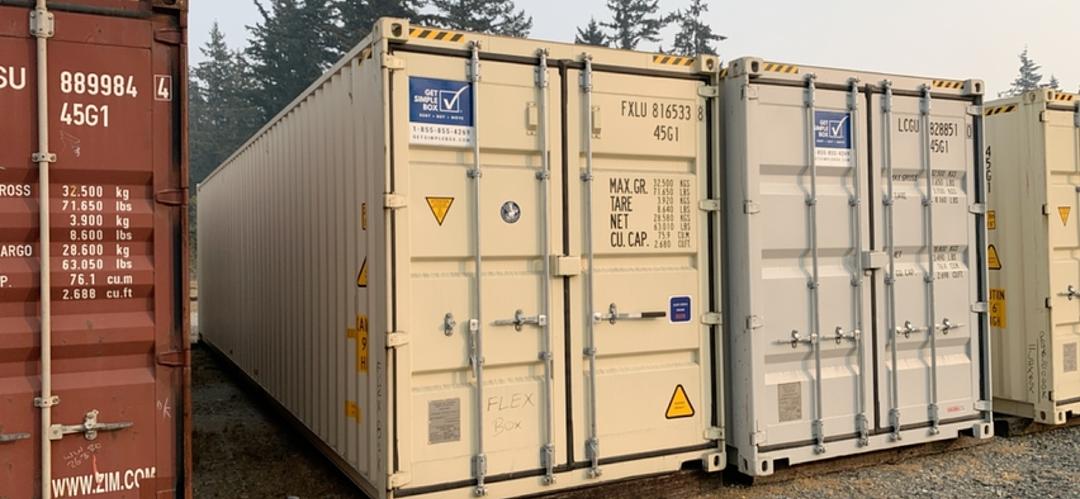
Not all conex boxes are created equal. Shipping container grades are used to describe a container’s overall condition and help set realistic expectations around appearance, lifespan, performance, and how well the container will support future use or modifications. Understanding these grades upfront makes it much easier to choose a conex box that actually fits your project, rather than discovering limitations later.
One-Trip (New) Containers
One-trip containers are used a single time to transport cargo before being sold. Because of this, they are the closest option to a brand-new conex box and typically show little to no wear. These containers arrive clean, dent-free, and with solid floors and fully functioning doors.
Best for:
- Container conversions
- Shipping container offices
- Projects where appearance, cleanliness, and long-term durability matter
Because of their condition, one-trip containers provide a clean slate, which makes planning layouts, finishes, container dimensions, and upgrades more predictable.
IICL (Institute of International Container Lessors)
IICL containers are used containers that have been maintained and inspected to very strict industry standards. While they may show minor cosmetic wear, they are structurally sound, well cared for, and built to meet the same standards used by international leasing companies.
Best for:
- Long-term storage
- Custom container projects
- Customers who want excellent condition without paying the premium for new
IICL containers are a popular middle ground for customers who want reliability and longevity without needing a brand-new unit.
Cargo Worthy (CW)
Cargo-worthy containers are certified as structurally sound and safe for transport. They have been inspected to ensure they meet functional requirements, including solid floors, working doors, and weather resistance, even if cosmetic wear is visible.
Best for:
- Secure storage
- Job sites
- Projects where appearance is less important than function
These containers are a practical choice when durability and security matter more than aesthetics.
Wind and Water Tight (WWT)
WWT containers are guaranteed to keep out wind and water, protecting contents from the elements. While they are no longer certified for international shipping, they remain reliable for everyday storage needs.
Best for:
- Basic storage
- Budget-conscious projects
These containers often show significant cosmetic wear but still offer dependable protection.
As-Is Containers
As-is containers are the lowest grade available and are sold exactly in their current condition. They may have dents, surface rust, or areas that require repair, and are offered without guarantees beyond what is disclosed.
Best for:
- Short-term use
- Customers who understand the risks and limitations
These containers are typically chosen when cost is the primary consideration.
Pro Tip: Choosing the Right Grade for Modifications If your project includes container customizations or a shipping container conversion, starting with a higher-grade conex box can make a meaningful difference. One-trip and IICL containers offer a cleaner, more structurally consistent starting point, which helps reduce prep work and supports better long-term results when modifications are part of the plan.
How Conex Box Grades Affect Modifications and Customizations
When you’re planning changes to a conex box, the container’s grade matters just as much as its size or layout. The condition of the container determines how easily it can be modified, how much prep work is required, and how well those upgrades will hold up over time.
In general, higher-grade shipping containers make the modification process smoother and more predictable. Higher-grade containers typically:
- Offer stronger structural integrity, which is important when adding doors, windows, or interior framing
- Require less prep work before modifications can begin, saving time and labor
- Deliver better long-term results, especially for projects that involve insulation, electrical, or finished interiors
Lower-grade containers can still be used for certain shipping container modifications, particularly for basic storage upgrades. However, visible wear, surface corrosion, or past repairs may limit customization options or increase costs as additional prep work becomes necessary.
If your goal is a shipping container conversion, such as a shipping container office, workspace, or retail unit, starting with the right grade is just as important as choosing the right container dimensions. A well-maintained conex box provides a more reliable foundation, making it easier to create a finished space that looks better, performs better, and lasts longer.
Conex Box Sizes and Container Dimensions (And Why Size Matters)
After narrowing down the right grade, the next question most people face is size, and this is where many projects either come together or run into unnecessary limitations. Container sizes and container dimensions determine how your conex box will actually function in the real world, not just how it looks on a spec sheet. This is also where small differences can have a big impact, especially when extra usable space makes daily use easier.
One important distinction to understand early on is that Get Simple Box containers offer up to 33% more usable space than many traditional shipping containers. That additional room can make planning layouts, storage, or future upgrades far more flexible from the start.
Most conex boxes used in North America follow standardized ISO container dimensions, which is one of the reasons they’re so versatile. These standards make containers easier to transport, easier to place on a site, and more predictable when it comes to planning layouts or future use.
The Most Common Conex Box Container Sizes
For most customers, the decision comes down to two familiar options.
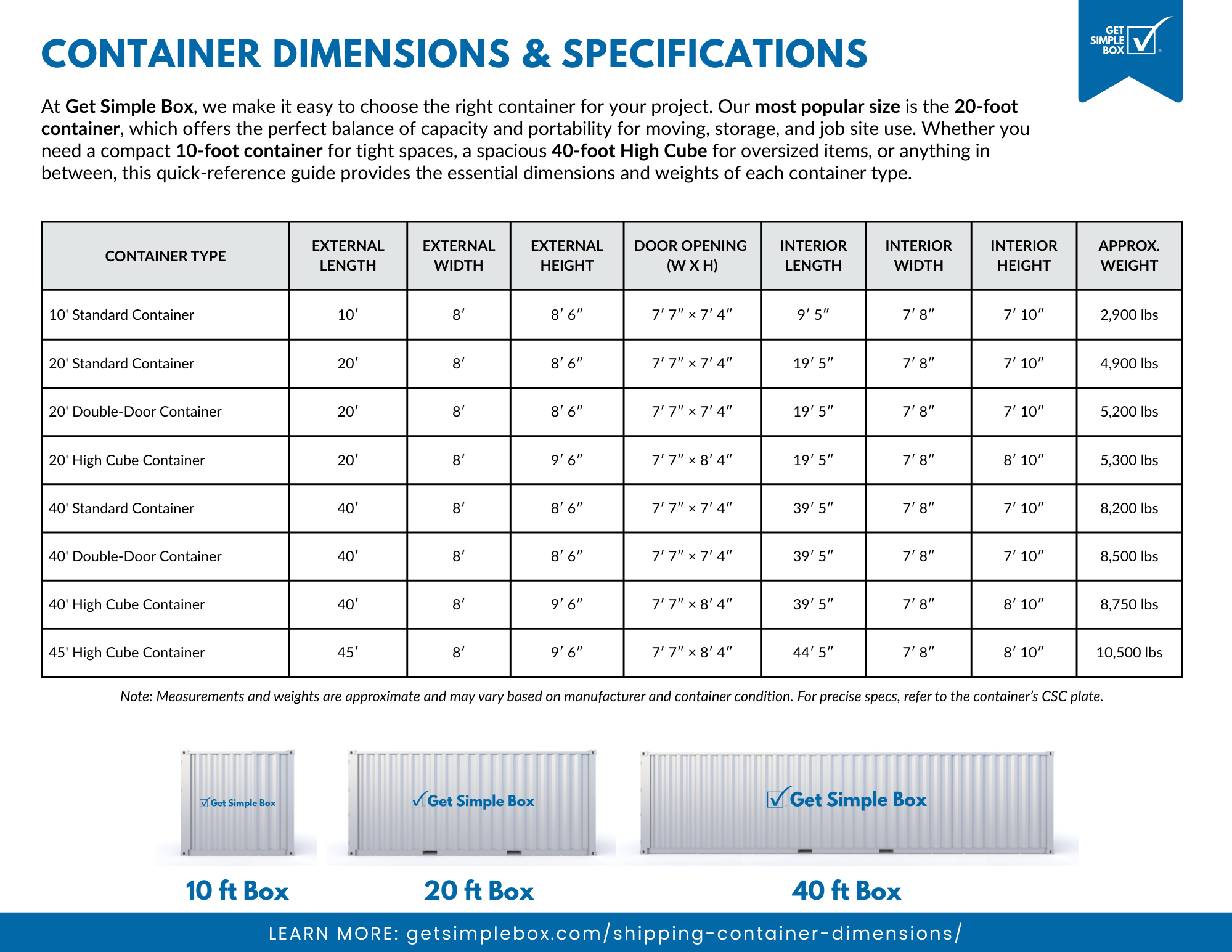
- A 20-foot container measures roughly 8 feet wide, 8 feet 6 inches tall, and 20 feet long. This size is especially popular for rentals because it’s easier to deliver, fits well in residential driveways or tighter job sites, and still provides a surprising amount of secure storage space.
- A 40-foot container doubles that length while maintaining the same width and height. These larger container sizes are often chosen by customers who buy a shipping container and need more room for equipment, inventory, or workspace. If you’ve ever seen containers stacked at a port or being hauled on the highway, chances are you were looking at a 40-foot unit.
While these container dimensions are standard across the industry, how much usable space you actually have inside can vary. Interior features, door placement, and future build-outs all influence how the space feels once it’s in use.
When Height and Length Make a Difference
Some projects need more than the basics. That’s where expanded container dimensions come into play.
High-cube containers offer extra vertical clearance, standing about 9 feet 6 inches tall. That additional height may not sound like much on paper, but it can make a big difference when installing shelving, accommodating taller equipment, or creating a more comfortable interior workspace.
In certain cases, extended container sizes are also available, with lengths reaching beyond the standard 40 feet. These larger units are typically used for specialized storage or larger-scale operations where standard container sizes fall short.
Why Container Dimensions Matter Beyond Square Footage
Container dimensions don’t just affect how much you can fit inside, they influence how the space works day to day.
Interior layouts depend on container dimensions, especially once insulation, interior walls, or flooring are added. These features improve comfort and usability but also reduce usable interior space. Door placement matters too, impacting how easily items can be loaded, accessed, or moved through the container.
Delivery is another important factor. Larger container sizes require more clearance and planning, while smaller units offer greater flexibility when space is limited.
Choosing the right container size upfront helps ensure your conex box fits your site, your workflow, and your long-term plans, without unexpected compromises after delivery.
Rent vs Buy: When a Conex Box Can and Cannot Be Modified
One of the most common questions customers ask when choosing a conex box is whether it makes more sense to rent or buy. The right answer usually depends on how long you need the container and how you plan to use it.
Renting a Storage Container
Renting is ideal for short-term or temporary needs where flexibility matters more than customization.
- Temporary storage
- Job sites
- Seasonal or short-term projects
Rental storage containers are designed to be returned in their original condition, which means they’re best suited for straightforward storage without permanent changes.
Buying a Shipping Container
Buying a shipping container is the better option when the container is part of a long-term plan or requires customization. Buying makes sense when
- You want long-term use
- You’re planning modifications or a container conversion
- You need a solution tailored to your specific workflow or space
If your project involves changes like doors, windows, insulation, or electrical, purchasing the right shipping container gives you full control over container sizes, container dimensions, and layout, allowing the conex box to function exactly the way you need it to.
Popular Conex Box Modifications and Conversions
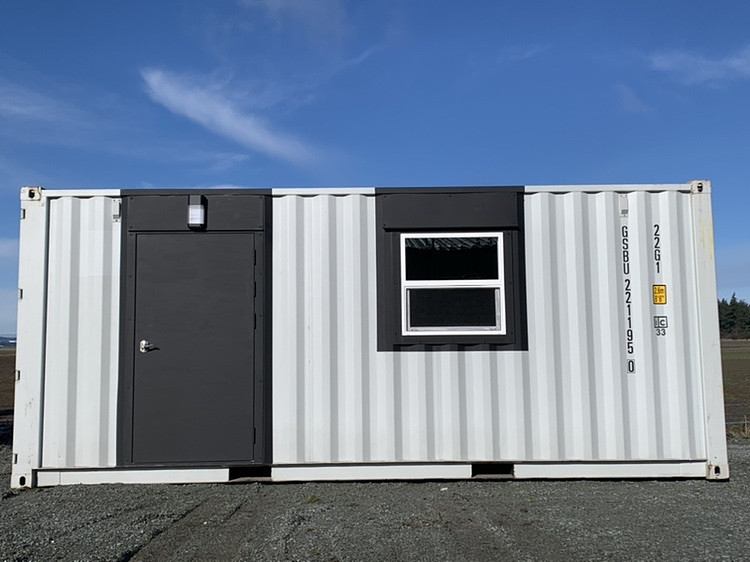
One of the biggest advantages of a conex box is its adaptability. With the right planning, a standard shipping container can be customized to better support how you actually work, store equipment, or use the space day to day.
Common Shipping Container Modifications: Many customers start with practical upgrades that improve access, comfort, and functionality. Popular shipping container modifications include:
- Doors: side doors or roll-up doors for easier access and better workflow
- Windows: standard or custom placements to bring in natural light
- Insulation: spray foam insulation, insulation panels, or insulation kits to help regulate temperature
- Electrical: interior lighting, outlets, and climate control options
- Flooring: reinforced floors or finished surfaces for durability and comfort
- Ventilation: vents or solar vents to improve airflow
- Paint: interior and exterior coatings for protection and appearance
These upgrades help transform a basic container into a space that’s easier to use and maintain.
Shipping Container Conversions
Beyond individual upgrades, many customers take things a step further with full shipping container conversions designed around specific needs.
Customers commonly convert conex boxes into:
- Shipping container offices
- Workshops or workspaces
- Secure equipment storage
- Retail or pop-up spaces
When planning a conversion, it’s important to think beyond individual features. Container dimensions play a major role in how the finished space feels and functions, influencing layout, comfort, and long-term usability.
Step-by-Step: How to Buy and Modify a Conex Box with Get Simple Box
At Get Simple Box, we’re happy to help customers through each step, from choosing the right container to planning delivery.
Step 1: Choose the Right Container Size
Start by selecting container dimensions that fit your available space and how you plan to use the container, both now and in the future.
Step 2: Select the Appropriate Grade
Match the container’s condition to your project goals, taking into account appearance, longevity, and whether modifications are part of the plan.
Step 3: Purchase Your Shipping Container
Buying a shipping container provides the flexibility needed for long-term use, layout changes, and customization.
Step 4: Plan Modifications
Work with experienced professionals who understand structural integrity, safety, and best practices for container modifications.
Step 5: Delivery and Setup
Plan for proper placement, access, and site conditions to ensure the container is delivered and set up smoothly.
Following this step-by-step approach helps keep projects on track and minimizes surprises along the way.
Local Use Cases for Modified Conex Boxes
Across cities and job sites, customers use conex boxes in practical ways to solve real problems, often on short notice and in challenging situations. The flexibility of container sizes allows each setup to match the specific needs of the site. Common local use cases include:
- Construction site offices that need secure, weather-protected space
- Contractor storage for tools, materials, and equipment
- Retail storage overflow during peak seasons or remodels
- Secure residential storage during moves, renovations, or repairs
- Mobile workspaces that can be delivered where they’re needed
For example, one customer recently needed emergency storage after flooding threatened their home contents. They shared that Get Simple Box was able to deliver a clean cargo container a full week earlier than expected and place it exactly where it was needed, helping keep their belongings dry and protected during a stressful time.
By choosing the right container dimensions and features, customers can tailor a conex box to meet immediate needs or support longer-term projects with confidence.
Conex Box Delivery, Placement, and Setup
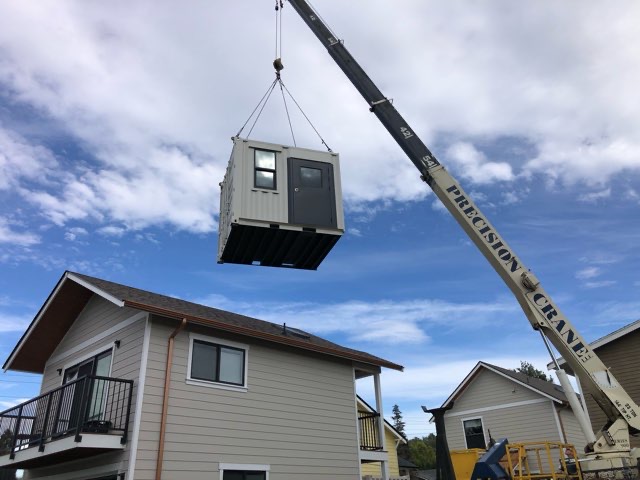
Delivery and setup are an important part of making sure your conex box works as expected from day one. A little planning ahead helps prevent delays and makes placement much smoother. Key considerations include:
- Site access and clearance for delivery equipment
- Ground preparation to ensure the container sits level
- Door orientation for easy access and daily use
- Adequate space for delivery and placement
Because container sizes and container dimensions affect how a container is delivered and positioned, confirming these details in advance helps ensure a smooth installation and avoids surprises on delivery day.
Get Simple Box vs Other Conex Box Companies
Not all conex box providers take the same approach. While many companies focus primarily on availability or price, others place more emphasis on helping customers choose a container that actually fits their needs. Below is a high-level comparison of how Get Simple Box stacks up:
Feature | Get Simple Box | Other Companies |
Larger usable space | Standard sizes only | |
Modification expertise | In-house experience | Limited or outsourced |
Guided planning | Varies by provider | |
Customer education | Clear, upfront guidance | Often inconsistent |
Rather than pushing a one-size-fits-all solution, Get Simple Box focuses on helping customers select the right conex box for their space, timeline, and intended use, which leads to better outcomes and fewer surprises after delivery.
Real Customer Stories Using Modified Conex Boxes
Customers across the Pacific north west use modified conex boxes for a wide range of needs, from jobsite offices to long-term storage and workspace solutions. Choosing the right container size often makes the difference between a space that simply works and one that works well.
One local customer recently shared their experience after receiving a 40-foot high cube container with full side access, noting that the container arrived in excellent condition and was placed exactly where it was needed. They also highlighted how helpful the team was in guiding them to the right container for their project and making the delivery process smooth.
Stories like this show how proper planning, from selecting the right container size to coordinating delivery, helps ensure a conex box fits both the space and the job it’s meant to support.
Frequently Asked Questions About Conex Boxes
What is a conex box used for today?
Storage, offices, workshops, and custom conversions.
What container sizes are available?
Common container sizes include 20-foot and 40-foot options with standard container dimensions.
Which grade is best for modifications?
Higher-grade containers like one-trip and IICL.
Can conex boxes be insulated?
Yes, shipping container insulation options include spray foam and panel systems.
How long do shipping containers last?
With proper care, they can last decades.
Choosing the Right Conex Box for Your Project
Choosing the right conex box comes down to understanding grades, container dimensions, and how you plan to use the space. When those pieces come together, a conex box becomes more than just storage, it becomes a dependable, flexible solution that supports your project now and adapts as your needs change.
At Get Simple Box, we help customers think through those details early, from selecting the right container to planning delivery and placement, so there are no surprises along the way.
If you’re ready to explore conex box options, contact your nearest Get Simple Box to find the right size, grade, and solution for your project.
Related Posts
Moving with a Portable Storage Container in Snohomish, WA Quick Summary: Moving with a portable storage container in Snohomish, WA
Get Simple Box vs. PODS Burlington WA | Storage Containers Quick Summary: Finding the right portable storage container in Burlington
Shipping Container Rental in Maple Falls WA: Mountain-Ready Storage Finding the right shipping container rental in Maple Falls, WA comes
Storage Container Delivery Requirements: What to Expect on Delivery Day Quick Summary: Understanding key storage container delivery requirements is the
Portable Storage Containers in Palm Springs CA: Get Simple Box vs. PODS®, Aztec Containers & WillScot (Mobile Mini®) Finding the
Storage Container Rental in Phoenix: Get Simple Box vs. PODS®, Southwest Mobile & AZ Containers Finding the right storage container