
Step-by-Step Guide to Renting Shipping Containers
If you’ve ever rented a traditional self-storage unit, you already know the hassles: driving across town, working around limited gate hours, and trying to remember what you left in the back corner. Renting shipping containers flips that model on its head. Instead of you hauling your belongings to storage, the storage comes to you.
Renting shipping containers is secure, weather-resistant, and delivered directly to your home, business, farm, or job site. That means you can work at your own pace, keep 24/7 access, and avoid unnecessary moving-day stress.
This step-by-step guide from Get Simple Box will walk you through the full process of renting a shipping container—from your very first quote request to the final pickup.
Table of Contents
What you’ll learn in this step-by-step guide:
- Define Your Project and Timeline – Understand your storage or moving needs before you rent a shipping container.
- Choose the Right Shipping Container Size – Use our container size guide to select the best fit for your project.
- Rent vs. Buy a Storage Container: Which Option Works Best? – Pros and cons of renting shipping containers vs. purchasing.
- Get a Customized Shipping Container Rental Quote – What to expect from the quoting process and how to get the best rate.
- Prepare Your Site for Container Delivery – Tips for access, placement, and space requirements before delivery day.
- Schedule Delivery with Expert Placement – How our delivery team ensures safe and accurate placement of your rental container.
- Pack Like a Pro with a Shipping Container Rental – Smart packing strategies to make the most of your container space.
- Access, Relocation, and Container Security Tips – How to safely access and move your rented container (plus security best practices).
- Pickup, Extend, or Purchase Your Rental Container – What happens at the end of your rental—and your options to extend or buy.
Comparisons and Common Questions
- Shipping Containers vs. Storage Pods – A side-by-side comparison to help you choose the right temporary storage solution.
- Shipping Containers vs. Moving Trucks – Which works better for moving, storage, or both?
- FAQs About Renting Shipping Containers – Answers to the most common questions our team hears.
- Regional Notes: Our Eight Locations with Multiple Service Areas – What you need to know based on where you’re renting from.
- Checklist: Rent a Shipping Container in 10 Minutes – A fast-start checklist to make your rental process easy and efficient.
Pricing, Tips, and Industry Use Cases
- Budgeting 101: What Shipping Containers Really Cost (and How to Save) – Understand rental costs, hidden fees, and money-saving tips.
- Common Mistakes to Avoid When You Rent a Shipping Container – Avoid the pitfalls that can cost you time or money.
- Industry-Specific Uses for Shipping Container Rentals – Real-world examples: construction, education, retail, agriculture, and more.
- Sustainability Notes: Why Renting Shipping Containers Makes Sense – Environmental and practical benefits of choosing containers.
- 14-Day Sample Timeline: From Quote to Organized – What a typical container rental process looks like from start to finish.
By the end, you’ll have a clear roadmap to make the rental process simple, stress-free, and cost-effective.
Step 1 — Define Your Project and Timeline
Before you request a quote, get clear on why you will be renting shipping containers, what you’ll store, and how long you’ll need the space. That clarity guides every decision that follows.
Common goals for shipping containers:
- Moving at your pace: With rental container for moving, you can pack over days or weeks instead of cramming everything into a single weekend.
- Home renovation or remodeling: Protect furniture and appliances from dust, paint, and job-site traffic.
- Decluttering and organization: Create breathing room while you sort, donate, and stage your home for a sale or the holidays.
- Retail & office overflow: Stock excess inventory, displays, and files right on-site so you don’t waste time driving back and forth to an off-site unit.
- Construction or jobsite storage: Lock up tools, lumber, and equipment where crews can access them quickly.
- Agriculture: Keep parts, seed, or harvest equipment secure and dry with drive-up access.
Timeline tip: A rough start date and an estimated end date (with a little buffer) ensures you choose the right rental term. Not sure? Start with a month—extensions are easy.
“We were remodeling our kitchen and needed a safe place for appliances. Having the container right in our driveway made it easy to grab things as needed. No rush, no stress.” – Sarah, homeowner in Washington
Step 2 — Choose the Right Container Size
Picking the right sized container upfront prevents frustration later. Here’s a quick guide from our shipping container dimensions chart:
Most-requested sizes for shipping containers:
- 20ft Shipping Container — The most popular size for families and businesses.
- Typical fit: 2–3 bedrooms’ worth of items, remodel staging, retail inventory, or small equipment.
- 10ft Shipping Container — Small footprint for targeted projects, tools, or studio apartments.
- Typical fit: One room’s furniture, stacked totes, lawn/garden equipment, or dorm move-outs.
- 40ft Shipping Container — Maximum capacity for farms, contractors, and big projects.
- Typical fit: Multiple rooms, bulk materials, pallets, or large equipment.
How to choose by scenario:
- Apartment/condo move or garage project: Start with a 10ft.
- Whole-home move or renovation: The 20ft is the sweet spot for most households.
- Business, farm, or multi-site project: A 40ft gives you headroom for growth and pallet access.
Pro Tip: If you’re between sizes, go up one. Extra space reduces stacking risks, speeds loading, and leaves room for last-minute items.

Step 3 — Rent vs. Buy a Storage Container: Which Path Fits Best?
The decision usually comes down to how long you’ll need the container.
- Rent a container if your need is short-term (1–6 months), you want flexibility, or you’re testing how a container fits your workflow. Start here: Container Rental.
- Buy a container if you want long-term storage, plan to add container modifications, or need a permanent on-site solution. Explore Shipping Containers for Sale—including used shipping containers and new shipping containers.
Many customers start with a rental and convert to purchase later. We’ll help you compare options so you only pay for what you need.
Step 4 — Get a Customized Quote
Pricing for shipping containers depends on size, type of container, and delivery distance. The fastest way to get accurate numbers is to request a quote online here.
- Get Prices: Get Shipping Container Prices (often with delivery available in 24–48 hours).
- Prefer to talk? Your local Simple Box team can review availability and timing based on your address. Find the phone number to your nearest yard here.
What affects price?
- Size: 10ft vs 20ft vs 40ft.
- Location: Distance from our nearest yard and site accessibility.
- Duration: Monthly rental term; discounts may apply on longer projects.
- Features: Features vary by container, including doors (swing or roll-up), windows (none or full-size), size, flooring, ventilation, security options, etc
- Condition: Rental-grade vs new shipping containers (for purchases).
Budget tip: If your timeline is flexible, tell us. We can sometimes coordinate delivery with nearby routes to optimize cost and speed.
Step 5 — Prepare Your Site for Delivery
A smooth delivery starts with a ready site. Use this checklist to prep for renting shipping containers:
- Surface: Choose a flat, stable area—gravel, compacted dirt, asphalt, or concrete. Blocks or pavers under the corners help with airflow and door alignment.
- Clearances: Provide straight access for the delivery truck and ensure adequate overhead clearance (avoid low branches and wires).
- Orientation: Decide which way the doors should face for day-to-day access.
- Drainage: Avoid low spots where water pools. Slight elevation improves longevity and keeps contents dry.
- HOA/Permits: Some neighborhoods and municipalities have rules for temporary placement. Check ahead for peace of mind.
- Utilities: Mark sprinklers, septic lids, and underground lines where applicable.
Useful 10ft references: (actual specs may vary slightly by manufacturer)
- Exterior Height: 8′-6″
- Exterior Width: 8′-0″
- Exterior Length: 10′-0″
- Interior Height: 7′-10″
- Interior Width: 7′-8″
- Interior Length: 9′-3″
- Empty Weight: ~2,300 lbs
You can find exact dimensions across sizes here.
Step 6 — Schedule Delivery with Expert Placement
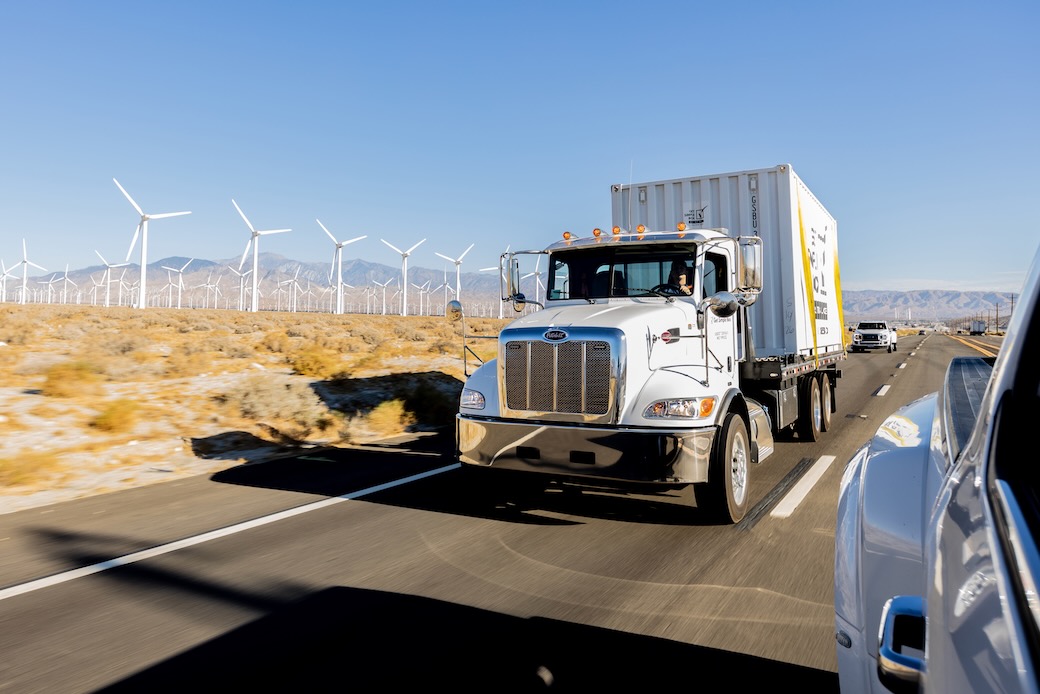
This is where shipping containers shine: storage comes to you. Our expert drivers place containers precisely where they help most:
- Driveways & residential lots for ground-level loading.
- Job sites where crews can access tools without a long walk.
- Retail & commercial spaces tucked neatly out of customer view.
- Farms & ranches next to barns or shops for easy equipment access.
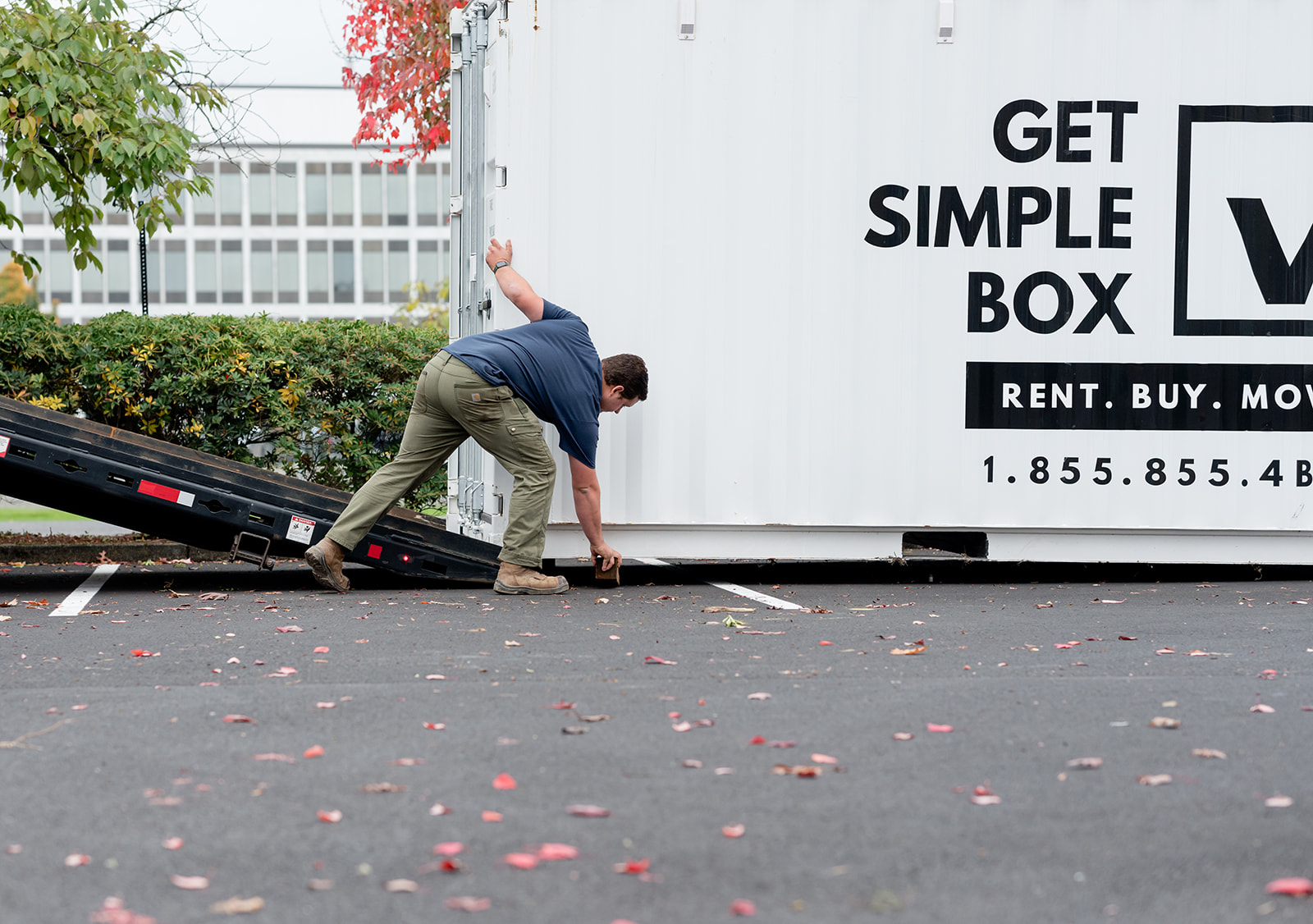
We’ll coordinate a delivery window, review the approach route, and confirm the final spot. On arrival, we set blocking (if needed), check door swing, and make sure you’re happy with the placement before we leave.
You can also learn more about our container delivery process here.
Step 7 — Pack Like a Pro
Smart loading protects items and saves time later. Use these battle-tested tips inside shipping containers:
- Stage first: Sort and pre-label boxes in the garage so loading flows quickly.
- Heavy low & centered: Appliances, dressers, safes, and book boxes on the floor.
- Distribute weight: Keep the container balanced front-to-back and side-to-side.
- Protect finishes: Use moving blankets, stretch wrap, and corner guards.
- Shelving & bins: Add freestanding shelves for small parts, tools, and inventory.
- Create an aisle: Leave a narrow walkway to reach items during the project.
- Moisture control: In rainy or humid climates, consider desiccant packs.
- What not to store: Avoid fuel, propane, paint thinner, and other hazardous materials.
Bonus: Load “Open First” boxes last and place them by the doors,extension cords, basic tools, light bulbs, paper towels, and a simple toolkit.
Need a quick moving checklist? We got you covered!
Step 8 — Access, Relocation, and Security
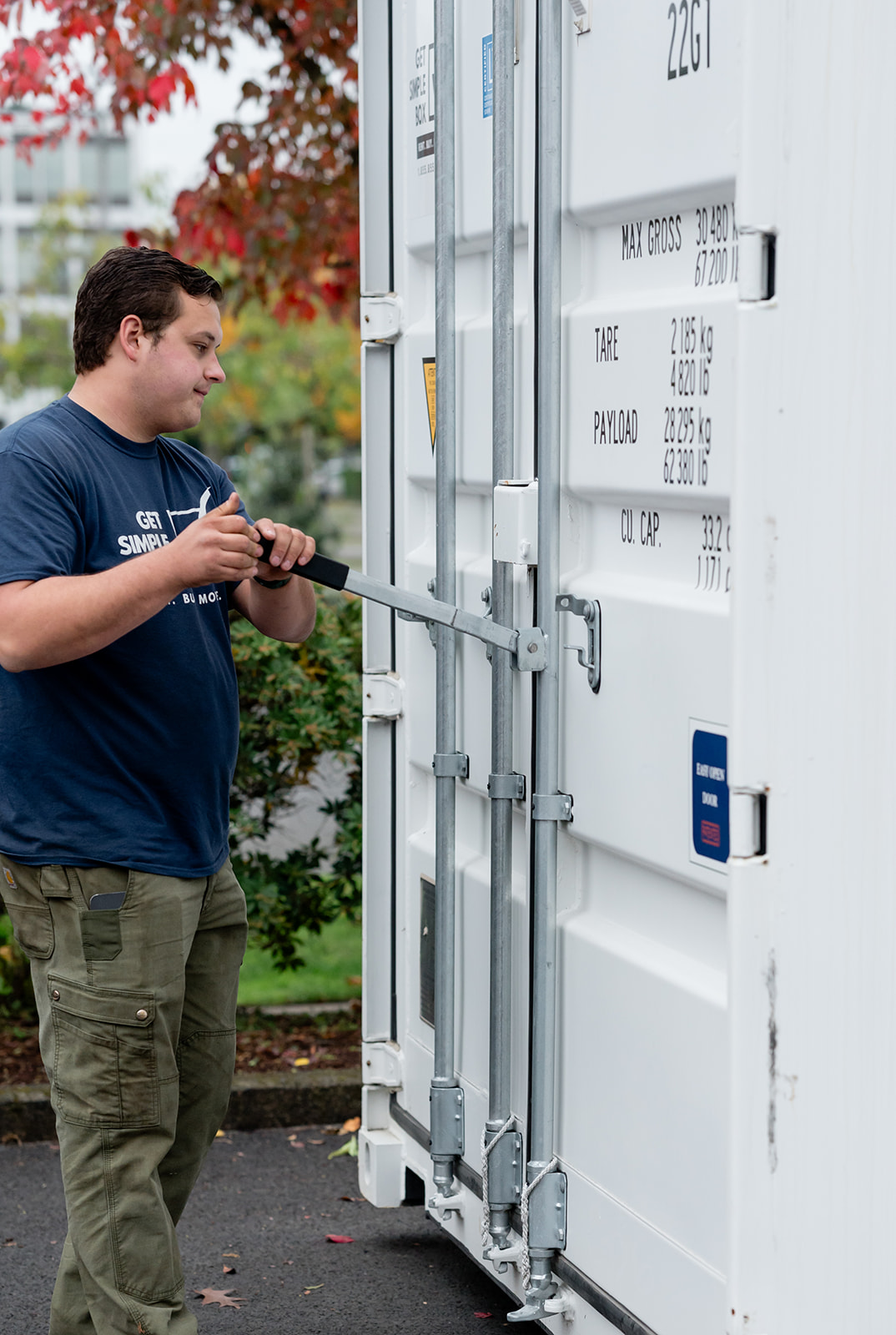
With portable storage containers, you get 24/7 access right where you are, no gate hours or long drives.
- Security: Use a heavy-duty lock or lockbox. Keep high-value items out of direct sight lines.
- Lighting: Simple battery or solar lights make evening access easy.
- Relocation: Need to move the container between homes or job sites? Ask about local relocation for moving containers during your rental.
Insurance: If storing business equipment, check whether your existing policy covers on-site container storage.
Step 9— Pickup, Extend, or Purchase
When your project is complete, you control the next step:
- Schedule pickup: We’ll retrieve the unit when you’re ready.
- Extend your rental: Keep the container longer—no rush required.
Purchase your unit: If the container has proven essential, explore shipping containers for sale (including used shipping containers and new shipping containers) and keep it permanently.
Shipping Containers vs Storage Pods
Both solutions provide portable storage, but they differ in construction, flexibility, and long-term value.
Get Simple Box Shipping Containers
- All-steel construction for rugged durability and security.
- Weatherproof & rodent-resistant by design.
- Multiple sizes: 10ft, 20ft, and 40ft.
- Highly adaptable with container modifications (shelving, vents, insulation).
- Short- or long-term: Rent now; purchase later if you choose.
Storage Pods
- Often built from lighter materials (wood/fiberglass).
- Limited size choices and few modification options.
- Primarily designed for short-term moving and storage.
Bottom line: If you need rugged, flexible, and secure space that can handle real-world projects—home, farm, or business—shipping containers generally deliver more value and options.
Shipping Containers vs Moving Trucks
Moving trucks work for quick, single-day moves. However for most projects, shipping containers are more convenient:
Containers advantage:
- Pack gradually over days or weeks, no 24-hour clock ticking.
- Keep items on-site between closing dates or phases of a remodel.
- Avoid repeat truck rentals, mileage fees, and fuel costs.
- Access 24/7 without driving across town.
- Unlike trucks that require ramps to load and unload, these containers offer ground level access with no built-in ramps.
Trucks advantage:
- Useful for ultra-short moves when you can load, drive, and unload in one day.
- Handy for hauling items a container can’t accept (hazmat, certain liquids, etc.).
Which to choose? If your timeline is tight and everything can be moved in one push, a truck may work. If you prefer flexibility, less stress, and on-site access, shipping containers win most scenarios.
FAQs About Renting Shipping Containers
- How much does it cost to rent a container?
Prices vary by size, duration, and delivery distance. Many customers find containers more economical than repeated truck rentals and off-site storage. Get an exact quote today! - How fast can I get delivery?
In many areas, delivery is available in 24–48 hours, depending on the schedule. Learn more about our container delivery process. - What sizes can I rent?
Common rental sizes are 10ft, 20ft, and 40ft. See detailed shipping container dimensions to plan your space. - Can I buy instead of rent?
Yes—consider shipping containers for sale if you need long-term storage or want to customize a unit (new or used options available). - Do I need a permit or HOA approval?
Temporary placement is allowed in many areas, but HOAs or local ordinances may apply. Check ahead for smooth delivery. - Where can a container be placed?
Driveways, parking pads, gravel areas, and job sites are common. We’ll help you choose the safest, most convenient spot. - What can’t be stored?
Avoid hazardous materials such as fuels, propane, and certain chemicals. Ask if you’re unsure. - Is it weatherproof and secure?
Yes, steel shipping containers are built for the elements. Use a heavy-duty lock for added peace of mind. - Can you move my loaded container?
In many cases, local relocation is available. Ask about moving containers services during your rental.
Regional Notes: Our Eight Locations with Multiple Service Areas
Because projects and weather vary by location, here’s how customers in our service areas commonly use shipping containers:
- Marysville, Lynden, Burlington, Ellensburg, Everett, Arlington, Lake Stevens, Stanwood, Snohomish, Mukilteo, Mill Creek, Lynnwood, and Bothell (Washington): Fall and winter rain make weatherproof storage essential. Families stage remodels and holiday decluttering; farms use 40ft units for equipment and parts as harvest wraps up.
- Salem, Keizer, Woodburn, Albany, Jefferson, Brooks, Four Corners, Stayton, Turner, Hubbard, Silverton, Aumsville, and more—covering the broader Mid‑Willamette Valley region (Oregon): Pre-winter cleanouts and renovation staging are common. Retailers often add a 20ft container for seasonal inventory before the holidays.
- Phoenix proper, Scottsdale, Tempe, Mesa, Glendale, Peoria, Paradise Valley, and parts of Chandler (Arizona): Fall and spring are prime moving seasons. Shaded placement and optional ventilation help protect belongings from heat.
- Palm Springs, Cathedral City, Rancho Mirage, Palm Desert, Indian Wells, La Quinta, Desert Hot Springs, and Hemet (California): Event planners and contractors rely on containers for secure overnight storage and streamlined staging during busy festival and construction periods.
Planning a project near one of these areas? Check coverage and contact your nearest team: Locations Directory.
Checklist: Your Shipping Container Rental in 10 Minutes
- Define your goal for shipping containers (move, remodel, declutter, business, farm, event).
- Pick a size (10ft, 20ft, 40ft) using shipping container dimensions.
- Choose rent vs. buy (start with container rental; consider shipping containers for sale for long-term).
- Request pricing: Get shipping container prices.
- Prep the site: surface, clearance, door orientation, drainage.
- Schedule delivery with our container delivery team.
- Pack efficiently (stage first, heavy low, clear aisles, label).
- Confirm 24/7 access availability for your container.
- Ask about relocation options if you’re using the container for moving.
- Decide whether to schedule pickup, request an extension, or purchase the container when finished.
Get Started: Quotes, Delivery & Next Steps
Ready to simplify your project with shipping containers? Jump straight to the next step:
- Learn More: Container Rental
- Compare Sizes: Shipping Container Dimensions
- Buy: Shipping Containers for Sale
- Get a Quote: Get Shipping Container Prices

Budgeting 101: What Shipping Containers Really Cost (and How to Save)
Understanding cost helps you choose with confidence. While exact pricing depends on your address, timing, container condition, and grade (including Grade F), here are the shipping container cost factors that matter most:
- Size & availability: 10ft containers are limited in some markets; 20ft is most common; 40ft offers the best price-per-cubic-foot for larger projects.
- Delivery distance & access complexity: Remote locations or tight approaches can add time. Clear driveways and marked placement spots speed things up.
- Rental duration: Month-to-month terms provide flexibility; longer projects can sometimes unlock better rates.
- Condition & purpose: Rental-grade units are economical; new shipping containers cost more but are worth it if you plan to buy and customize.
- Seasonal demand: Fall and spring are busy; booking early helps secure your preferred dates.
Ways to save:
- Bundle services: If you’ll need relocation for moving containers, discuss the move plan when you request your quote.
- Choose the right size up front: A well-packed 20ft beats renting two 10ft units.
- Time your delivery: If you have a flexible window, ask about route coordination.
When you’re ready for real numbers, request a fast quote: Get Shipping Container Prices.
Common Mistakes to Avoid When Renting Shipping Containers
Avoid these preventable hiccups and your experience will be smooth from day one:
- Waiting until the last minute. Popular sizes book out during move and remodel seasons.
- Underestimating size. It’s easier (and cheaper) to load a slightly larger unit once than to juggle overflow later.
- Skipping site prep. Soft ground, poor drainage, or tight turns complicate delivery. Five minutes of planning solves hours of hassle.
- Packing without a plan. Random loading wastes space and increases the risk of damage. Stage first, then load with a purpose.
- Ignoring labels. Future-you will want clear labels on three sides of every box.
- Forgetting access. Keep a narrow aisle and store “open-first” items near the doors.
- Not asking about relocation. If there’s even a chance you’ll move the container, mention it when you book your container rental.
Industry-Specific Ways People Use Shipping Containers
Retail & e-commerce: Seasonal spikes are real. A 20ft beside the building keeps overflow inventory reachable without filling your stockroom. Add shelving and barcode labels to turn the container into a pop-up backroom. See Shipping Containers for Sale if you want a permanent solution with custom branding.
Construction & trades: A 40ft on site becomes a central hub—tools, consumables, and safety gear all in one place. Side doors or container modifications improve access, while heavy-duty locks deter theft and protect schedules.
Agriculture: During harvest, shipping containers store spare parts, seed, and equipment. Vent kits help with airflow; elevated blocking keeps doors square on uneven ground. Many farms eventually buy a unit for permanent yard storage.
Events & festivals: Use a 10ft for ticketing or gear, or a 20ft as a secure overnight locker room for vendors. Containers are portable, lockable, and weatherproof—critical when plans change.
Education & municipalities: Schools and public works teams lean on containers for athletics gear, maintenance tools, and emergency preparedness.
Sustainability Notes: Why Shipping Containers Make Sense
Repurposing shipping containers extends the useful life of a durable steel product. Renting instead of building new outbuildings lowers material use, and many customers ultimately buy used shipping containers to keep reusing the same asset for years. It’s a practical, budget-friendly path that also reduces waste.
14-Day Sample Timeline: From Quote to Organized
- Day 1: Define your project, choose a size with Shipping Container Dimensions, and request a quote.
- Day 2–3: Confirm delivery window and prep the site.
- Day 4: Delivery and placement (doors oriented for access).
- Day 5–9: Pack gradually—stage, load heavy low, label clearly.
- Day 10: Optional relocation if you’re using moving containers between addresses.
- Day 11–13: Finalize packing, keep a small aisle, and secure items.
- Day 14: Pickup
Related Posts
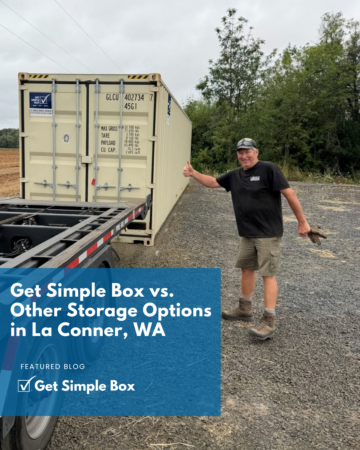
Get Simple Box vs. PODS Burlington WA | Storage Containers Quick Summary: Finding the right portable storage container in Burlington
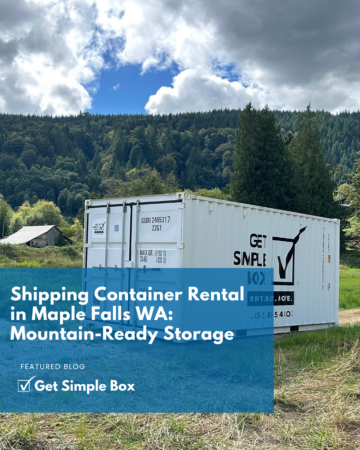
Shipping Container Rental in Maple Falls WA: Mountain-Ready Storage Finding the right shipping container rental in Maple Falls, WA comes
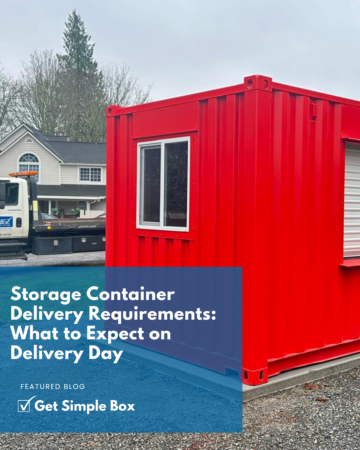
Storage Container Delivery Requirements: What to Expect on Delivery Day Quick Summary: Understanding key storage container delivery requirements is the
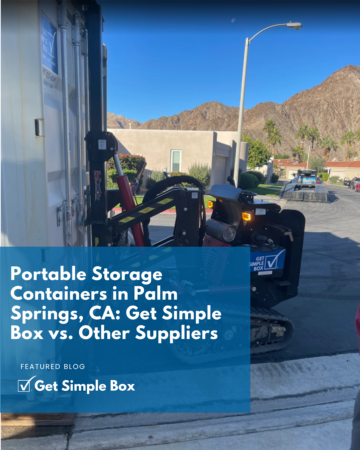
Portable Storage Containers in Palm Springs CA: Get Simple Box vs. PODS®, Aztec Containers & WillScot (Mobile Mini®) Finding the
Storage Container Rental in Phoenix: Get Simple Box vs. PODS®, Southwest Mobile & AZ Containers Finding the right storage container
Portable Storage Containers Salem OR: Get Simple Box vs. PODS®, GrandBox Northwest & Cascade Containers Finding the right Portable Storage