
Portable Storage: Why It Beats Self-Storage in Winter
Portable storage solves one of winter’s most frustrating problems: trying to access your belongings when the weather is working against you. Snow, ice, freezing rain, and shorter days can turn simple storage trips into time-consuming, uncomfortable chores. If you’ve ever driven across town in bad weather just to grab a few items from a storage unit, you already know how quickly winter adds friction to everyday tasks.
That’s why more homeowners, contractors, and business owners are turning to portable storage during the colder months. At Get Simple Box, we see this shift every winter as customers look for storage that works with their schedule instead of against the weather. Instead of adjusting around poor road conditions and facility hours that don’t work for you, the storage container comes directly to you. Your belongings stay close, protected, and accessible, right where you need them, making winter projects easier, safer, and far less stressful.
Whether you’re planning a move, managing a remodel, or simply running out of space, understanding why portable storage beats self-storage in winter can help you make a smarter, more comfortable decision.
Table of Contents
Why Winter Makes Storage More Difficult Than Expected
Winter changes how everything works. Tasks that feel simple in spring or summer, loading boxes, moving furniture, accessing equipment, become physically harder and more time-consuming when temperatures drop and poor conditions make it even tougher to complete your regular tasks.Traditional self-storage depends on good conditions. You’re expected to drive to the facility, park, unload or reload items, and repeat that process whenever you need access. In winter, each of those steps becomes more challenging. Common winter storage issues include:
- Slick roads and unsafe driving conditions
- Snow-covered parking lots and walkways
- Frozen locks and stiff roll-up doors
- Limited access during storms or holidays
- Rushed loading in freezing temperatures
For many people, winter is when self-storage stops being convenient. That’s often when searches for storage containers for rent and alternatives to traditional storage increase.
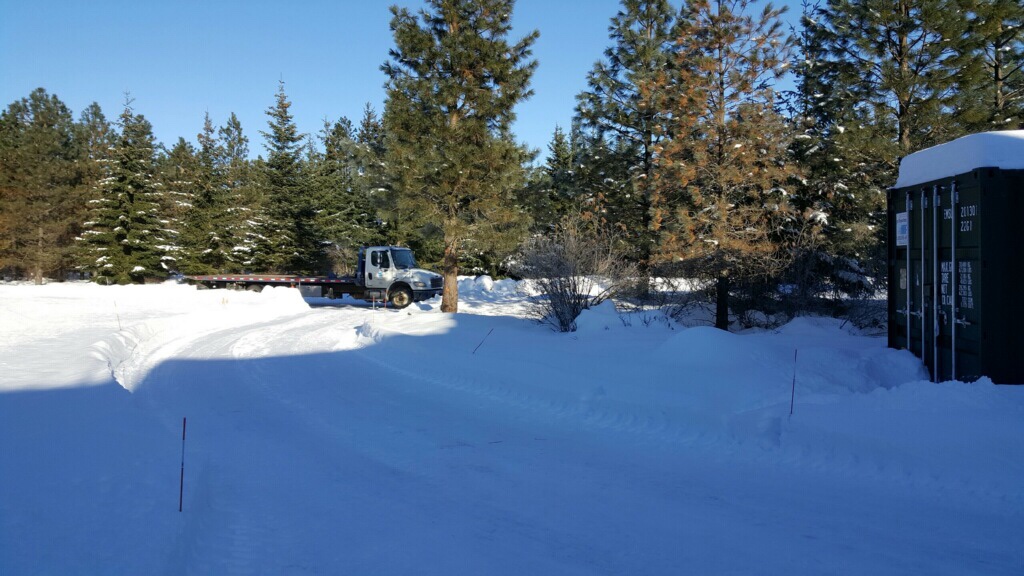
Why Customers Choose Portable Storage During Winter
Portable storage removes the biggest winter obstacle: unnecessary travel. When the weather turns cold, most people don’t realize how much time and energy they lose just getting to and from a storage facility. Snowy roads, icy parking lots, and short daylight hours turn “quick trips” into something you plan your whole day around.
With portable storage, the container is delivered directly to your home, business, or job site. You’re not working around access hours or weather windows, you’re in control. You load when it’s convenient, take breaks when it’s cold, and access your belongings without ever leaving your property. That single shift changes the entire winter storage experience.
Customers often start their search thinking they need storage containers for rent or a nearby unit, only to realize what they really need is flexibility they can control. Portable storage gives you that flexibility without adding more stress to an already busy season.
Here’s what customers who need storage in the winter appreciate most:
- On-site access with no driving required, which is especially valuable when roads are slick or visibility is poor
- Weather-ready protection that keeps belongings dry, secure, and shielded from snow, rain, and repeated moisture exposure
- Fewer loading sessions, so you’re not moving items in freezing temperatures over and over again
- Flexible options to rent a storage container short-term or transition into ownership later
For many customers, portable storage becomes the gateway to exploring longer-term solutions. People researching for new container sales, or used container sales often start with a rental and quickly realize the value of owning their own shipping container. When winter projects stretch longer than expected, buying a portable storage container can be more practical than paying ongoing monthly storage fees.
That’s why searches for shipping containers for sale near me and broader container sales tend to spike during colder months. Portable storage meets the immediate need, convenience and access, while also giving customers a clear path toward ownership if their storage needs continue beyond the season.
In winter, storage shouldn’t slow you down or force you to take risks. Portable storage keeps you moving forward, on your terms, no matter what the weather is doing.
How Portable Storage Works When the Weather Turns Cold
Portable storage works the same way all year, but it feels especially helpful in winter. When the weather is unpredictable, having storage brought to you removes a lot of stress and guesswork.
The process is simple and designed to fit around your life, not the other way around.
- First, you reach out to get pricing and talk through your needs. You don’t need to know all the details upfront. A real person helps you figure out what container size makes sense based on what you’re storing and how long you’ll need it.
- Next, the container is delivered right to your home, business, or job site. You don’t have to haul boxes across town or worry about road conditions. Once the container is in place, you can load it at your own pace. If it’s cold or snowing, you can take breaks, spread the work over several days, or wait for better weather.
- After that, the container stays where it is for as long as you need it. Some people keep it on-site for temporary storage, while others choose to have it picked up and moved when their project changes.
If your storage needs last longer than expected, you also have the option to move from renting into a rent-to-own plan. That way, you can start with a rental and gradually work toward ownership without having to make a big decision upfront.
Because everything happens in one delivery, you avoid making repeated trips in poor weather. Many people start out planning to use a self-storage unit, but switch once they realize how much easier winter feels when their storage is right outside their door.
Portable Storage vs Self-Storage: A Practical Winter Comparison
Winter has a way of making small inconveniences feel much bigger. When it comes to storage, the difference between portable storage and self-storage becomes very clear once the weather turns cold, and when security matters more.
With self-storage, everything depends on travel and shared access. You have to drive to the facility, park, unload or load items, and then repeat the process whenever you need access. In winter, that often means dealing with slick roads, crowded parking lots, and rushing to finish before the cold sets in. Self-storage in winter often looks like this:
- Multiple trips in bad weather
- Access depends on road conditions and facility hours
- Belongings are exposed to snow or rain while loading and unloading
- Monthly payments continue, even if access becomes difficult
Security is also more hands-off than many people realize. At a self-storage facility, you don’t control who has physical access to the building, and staff may need the ability to cut or change locks for operational reasons. Even when units are gated, your belongings are still stored in a shared environment with frequent foot traffic.
Portable storage works differently. Instead of going to your storage, the storage comes to you. Once the container is delivered, it stays right where you need it, and you control access completely. You supply your own lock, keep the key, and can change it at any time. No one else needs access to the container, and there’s no shared hallway, elevator, or loading dock. Portable storage in winter usually means:
- One delivery, with pickup only when you’re ready
- Your lock, your key, and full control over access
- Secure access anytime, without worrying about gates or hours
- Items stay protected once they’re loaded
- The option to rent short-term or buy for long-term use
For many homeowners, this level of control is what makes portable storage feel more secure. Your belongings stay close, locked on your property, and out of reach, without relying on someone else’s systems or policies.
In winter, storage decisions often shift from convenience to value and peace of mind. Paying monthly for a unit you don’t want to visit, and don’t fully control, starts to feel less appealing. Portable storage offers flexibility now, stronger security day-to-day, and the option to move into a longer-term solution if your needs continue.
In cold weather, the best storage choice is the one that works around your life, not the weather, and not shared access rules.
Pro Tip: If you’re starting a new project this winter, January can be a smart time to begin. This month, Get Simple Box is offering 50% off your first month of portable storage with a three-month minimum. For many customers, that makes it easier to get started without committing to a long-term decision right away, especially if you’re unsure how winter weather might affect your timeline.

Renting vs Buying Storage Containers in Winter
Winter is often when people pause and ask, “Does renting self storage still make sense for what I’m doing?” Cold weather has a way of stretching timelines. Moves take longer. Remodels get delayed. Projects that were supposed to wrap up in a few weeks suddenly carry into the next season.
That’s why winter is a natural moment to think through whether renting or buying a container fits your situation best.
Renting a Storage Container
Renting works well when you know your storage needs are temporary. If you have a clear start and end date, renting keeps things simple and flexible. Renting a storage container is a good fit for:
- Short-term moves
- Home renovations or remodels
- Temporary overflow during busy seasons
With a rental, you get the space you need without a long-term commitment. Delivery and pickup are handled for you, and once your project is finished, the container goes away. For many people, that peace of mind is worth it, especially when winter weather already adds enough uncertainty.
Buying a Shipping Container
Buying starts to make more sense when storage needs last longer than planned. Winter delays are common, and what began as a short-term project can easily turn into a multi-month situation. Buying is often the better option when:
- Storage extends beyond a few months
- You want to avoid ongoing monthly fees
- You need reliable, anytime access to your items
People searching for shipping containers for sale near me often discover that buying can cost less than several months of self-storage or extended rentals. During winter, when access to off-site units becomes harder, owning your own container can feel like a relief rather than a commitment.
The right choice depends on how long you expect to need storage and how much flexibility you want. Winter doesn’t change your needs, but it does make convenience and long-term value matter more.
Storage Container Sizes That Work Best in Cold Weather
Choosing the right container size can make winter storage much easier. When space is too small, items get packed too tightly and become hard to access. When it’s too large, you may end up paying for space you don’t actually need. The goal is to pick a container size that fits your belongings comfortably while still working well on your property during winter.
A 10ft shipping container is a great option when space is limited or your storage needs are small and focused. Many people choose this container size when they want to buy a small shipping container for tools, seasonal equipment, or business supplies. This size works especially well for:
- Homeowners storing tools or outdoor gear for winter
- Small businesses with limited inventory overflow
- Tight driveways or restricted placement areas
Despite its compact footprint, a 10ft container is built with the same durable steel as larger units, offering reliable protection from winter weather.
The 20 foot shipping container is the most popular choice for winter storage. It offers a balance of space and flexibility that works for many different projects. Customers often look for a 20 foot shipping container sale because this size can hold:
- Furniture from several rooms
- Remodeling materials and appliances
- Business inventory or equipment
It fits in most driveways, is easy to load, and provides enough room to organize items so you’re not digging through stacks in cold weather.
For large-scale storage needs, a 40 ft shipping container for sale provides maximum capacity. Businesses, farms, and job sites often rely on this size for equipment, inventory, or bulk materials. A 40-foot container can typically hold:
- The contents of a large home or full household move
- Commercial inventory or equipment
- Farm supplies, machinery, or bulk materials
- Long or oversized items that won’t fit in smaller containers
Because everything fits in one container, you don’t have to split items across multiple units or stack things too tightly. That makes winter access easier, you can walk inside, see what you need, and grab it without unloading half the container in the cold.
It’s common for customers planning long-term storage to then ask practical questions like 40ft shipping container price, how much is a 40 foot shipping container, or the cost of a 40 ft shipping container, once they realize this size solves their space problem in one step.
Pro Tip: If you’re unsure which container size to choose, think about how you’ll access your items in winter. A slightly larger container often makes sense because it gives you room to walk inside, organize belongings, and grab what you need without unloading everything in cold or wet conditions.
Shipping Container Pricing: What Buyers Ask Most
When people start the search, “ shipping containers for sale near me”, pricing is usually one of the first questions, and for good reason. Buying a shipping container feels like a bigger decision than renting a storage unit, so it’s normal to want a clear picture of what affects the container cost.
Shipping container pricing can vary based on a few key factors:
- Container Size: Larger containers cost more upfront, but often provide better value per square foot
- Condition: New containers cost more, while used containers offer a more budget-friendly option
- Delivery logistics: Distance, site access, and placement requirements can affect delivery cost
- Market availability: Supply and demand can influence pricing throughout the year
Many customers begin by comparing small shipping containers for sale with larger sizes, trying to decide what truly fits their needs. A smaller container may seem cheaper at first, but if it fills up quickly or becomes hard to access, it can create frustration, especially in winter when you don’t want to move items twice.
That’s why buyers often look beyond the upfront price and consider the bigger picture. Questions like “How long will I need storage?” and “Will buying eliminate future monthly costs?” tend to matter more than finding the lowest number on paper.
You’ll see this reflected in customer feedback as well. In Google reviews, many Get Simple Box customers mention how helpful it was to talk through options instead of being pushed into a one-size-fits-all solution. Clear pricing, honest guidance, and help choosing the right container, not just the cheapest one, come up again and again.
For most buyers, the goal isn’t just to find a container. It’s to make a decision that saves time, avoids repeat costs, and feels right long after winter is over.

Winter Delivery, Setup, and Site Preparation
Winter delivery is usually much easier than people expect, especially when a little preparation is done ahead of time. Most challenges aren’t about the container itself, they’re about making sure there’s a safe, clear place for it to be delivered and set down.
Before delivery, there are just a few simple things to check:
- Clear snow and ice from the area where the container will be placed. This helps the delivery driver see the ground clearly and ensures the container can sit flat and stable once it’s set down. Even a thin layer of ice can make placement harder than it needs to be.
- Ensure the ground is level and firm. Gravel, pavement, concrete, or compacted dirt all work well, even in winter, as long as the surface isn’t muddy or sloped. A solid base helps keep the container doors opening and closing smoothly, which matters more when temperatures drop.
- Leave enough room for the delivery truck to maneuver. Winter driving already requires extra care, and having clear space allows the driver to place the container accurately without rushing or repositioning.
Experienced delivery teams, like the local expert drivers at Get Simple Box, understand how winter conditions affect timing and placement and take extra care to ensure everything is set up safely the first time.They know how to work around frozen ground, narrow driveways, and changing weather, and they take extra steps to make sure your portable storage container arrives safely, sits properly, and is ready to use right away.
“We had a good experience working with the team at Get Simple Box. Special thanks to our delivery driver, Josh. You put the container exactly where we wanted it and it took some smooth operating — good job!”
— Matt & Lani Allbaugh, Google Review
For customers, that means fewer surprises, less stress, and confidence that everything is set up correctly from day one, even in the middle of winter.
Portable Storage for Homes, Businesses, and Job Sites
Portable storage works so well in winter because it adapts to real life. No matter who you are or what you’re working on, cold weather tends to slow things down. Having storage right where you need it helps you keep moving without fighting the season.
Homeowners
For homeowners, winter often comes with big transitions. People move during the off-season, start indoor remodels, or simply need to clear space when spending more time inside.
Portable storage makes these situations easier because everything stays on-site. Instead of loading a truck and driving back and forth to a storage unit, you can move items a little at a time, on your schedule. If it’s cold or wet outside, you can stop and pick it up again later. Homeowners commonly use portable storage for:
- Moving between homes without rushing
- Remodeling kitchens, bathrooms, or floors
- Downsizing or decluttering during winter
- Storing seasonal items like patio furniture or décor
When your belongings are right outside, winter projects feel more manageable and far less stressful.
Contractors and Job Sites
Winter doesn’t stop construction or renovation work, it just makes organization more important. Tools, materials, and equipment need protection from weather and theft, especially when days are shorter and conditions change quickly.
Portable storage gives contractors a secure, lockable space right on the job site. Everything stays dry, organized, and easy to access without hauling tools back and forth each day. Contractors often rely on portable storage to:
- Secure tools overnight
- Store materials safely between workdays
- Keep job sites clean and organized
- Reduce setup and breakdown time in cold weather
Having reliable on-site storage helps crews stay efficient, even when winter conditions slow everything else down.
Businesses
For businesses, winter is often one of the busiest times of year. Retailers deal with holiday inventory, schools manage equipment and supplies, and service companies juggle tools, parts, and seasonal gear.
Portable storage gives businesses extra space without expanding their building or renting additional property. Inventory stays close, accessible, and protected, which matters when weather makes travel harder. Businesses commonly use portable storage for:
- Inventory overflow during peak seasons
- Equipment storage for maintenance or service teams
- Temporary storage during renovations or moves
- Event supplies, displays, or seasonal materials
Instead of adjusting operations around weather or access hours, businesses stay flexible and in control.
Across homes, job sites, and businesses, the biggest benefit is the same: control. Portable storage works around your schedule, your space, and your needs, not the weather. When winter makes everything else harder, having storage that adapts to you can make all the difference.

Frequently Asked Questions About Portable Storage in the Winter
Is portable storage safe in winter?
Yes. Containers are built from heavy-duty steel and designed to be weather-resistant.
Can containers be placed on gravel or dirt?
Yes, as long as the surface is level and compacted.
Is buying cheaper than self-storage?
Often, especially for storage lasting more than a few months.
Can I access my container anytime?
Yes. On-site access means no gate hours or closures.
Are containers good for business storage?
Absolutely. Many businesses rely on them year-round.
Are container sales available year-round?
Yes. Container sale inventory varies, but options are available in all seasons.
Ready to Get Started? Make Winter Storage Simple
Winter doesn’t have to put your plans on hold or add extra stress to your day. When storage is easy to access and close at hand, everything feels more manageable, even when the weather isn’t cooperating.
Portable storage gives you flexibility, safety, and peace of mind during unpredictable conditions. You can move at your own pace, keep your belongings protected, and stay in control of your space without making repeated trips in the cold.
Whether you’re renting a storage container for a short-term winter project or looking into shipping containers for sale as a long-term solution, Get Simple Box helps you choose a setup that actually fits your needs. When storage comes to you, winter feels less like an obstacle and more like just another part of the plan.
Share this Post:
Related Posts
How to Rent a Shipping Container: A Step-by-Step Guide Quick Summary To rent a shipping container, pick your size (10ft,

Shipping Container Ventilation: How to Stop Condensation and Keep Your Belongings Dry A steel container keeps out rain, wind, and
Moving with a Portable Storage Container in Snohomish, WA Quick Summary: Moving with a portable storage container in Snohomish, WA
Get Simple Box vs. PODS Burlington WA | Storage Containers Quick Summary: Finding the right portable storage container in Burlington
Shipping Container Rental in Maple Falls WA: Mountain-Ready Storage Finding the right shipping container rental in Maple Falls, WA comes
Storage Container Delivery Requirements: What to Expect on Delivery Day Quick Summary: Understanding key storage container delivery requirements is the