
Shipping Container Electrical Power Inlet: The Safest Way to Power a Storage Container
A shipping container is already one of the most durable and secure structures you can own. That’s why buyers often choose them for storage, workshops, and long-term projects. But without electricity, even a well-built container has limits. Working after dark, protecting equipment, or using tools becomes inconvenient fast.
A shipping container electrical power inlet solves that problem without overcomplicating the build. It provides a safe, exterior-rated way to bring power into an owned container, no permanent wiring or electrical panels required. With a simple quick-connect setup, you can run interior lighting, charge tools, or power basic equipment while keeping the container clean and flexible.
Just like insulation helps manage temperature and moisture, electrical access improves how the container actually functions day to day. When combined, these upgrades turn a basic steel box into a practical, purpose-built space that supports real work, storage, and long-term use.
Table of Contents
What Is a Shipping Container Electrical Power Inlet?
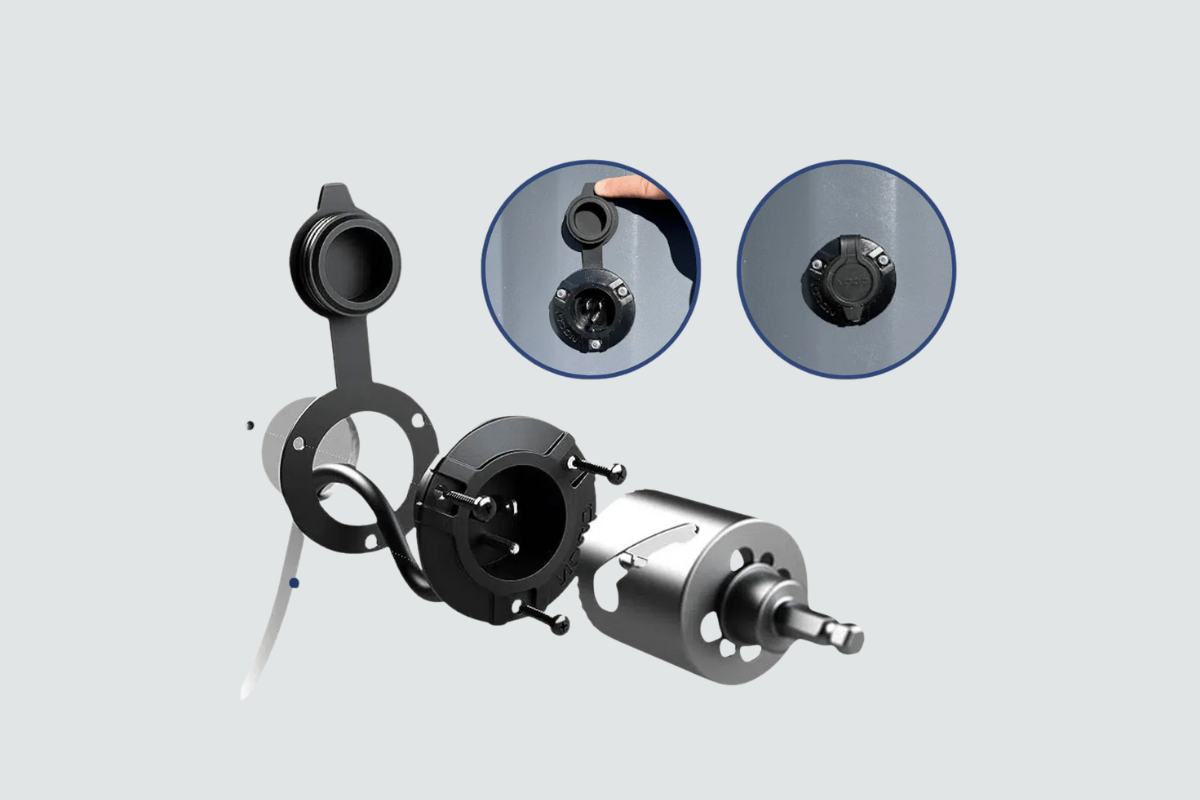
A shipping container electrical power inlet is a weather-rated exterior connection that allows electricity to safely enter an owned shipping container. Instead of cutting in breaker panels, running conduit, or hardwiring the container to a site, the inlet provides a clean, plug-and-play solution designed specifically for steel containers.
Power enters through the exterior inlet and feeds interior outlets mounted inside the container. Those outlets can be used for lighting, charging tools, running small equipment, or supporting other basic electrical needs. Because the system isn’t permanently hardwired, it preserves the container’s structure while still delivering reliable power.
For buyers comparing shipping containers for sale, this approach often makes the most sense. It provides electricity that is:
- Faster to install than traditional electrical systems
- More cost-effective than trenching or hardwiring
- Flexible enough to support future container modifications
A power inlet is especially popular with owners who plan to add insulation, lighting, or other upgrades over time. It delivers immediate usability today while keeping your options open tomorrow, without committing to an oversized or overly complex electrical build.
What’s the Best Way to Power a Shipping Container? (Quick Answer)
The best way to power an owned shipping container is wit a shipping container electrical power inlet that uses a quick connect plug. This setup allows you to bring safe, outdoor-rated electricity into the container without hardwiring, trenching, or making permanent electrical changes. It gives you safe, outdoor-rated electricity without turning your container into a permanent electrical project.
As the owner, you want power that works now but doesn’t limit what you can do later. A quick-connect system does exactly that. Electricity enters through a sealed exterior inlet and feeds outlets inside the container where you actually need them. There’s no trenching, no breaker panel to manage, and no commitment to a full hardwired build before you know how you’ll use the space.
What you get with a power inlet setup:
- A weatherproof exterior inlet designed for steel containers
- Interior outlets for lighting, tools, or equipment
- Heavy-duty copper wiring built for reliable performance
- A 15-amp / 125-volt capacity suitable for most everyday electrical needs
Because nothing is permanently hardwired, you stay in control. You can use the container immediately, add insulation or lighting later, or expand the electrical system down the road if your project grows. It’s a straightforward, low-risk way to make your container usable without overbuilding on day one.
Why Electrical Access Matters for Container Storage & Modifications
Shipping containers are built to be strong, secure, and weather-resistant. That’s exactly why you bought one. But without electrical access, even a well-built container quickly feels limited. It’s dark inside, inconvenient to work in, and difficult to use once daylight fades or weather conditions change.
Adding electrical access changes how the container performs in real life. With power inside your container, you can:
- Light the interior safely, so you’re not relying on flashlights or temporary lamps
- Run tools or equipment when working on projects or organizing storage
- Support moisture control with dehumidifiers or small climate devices
- Charge batteries and electronics without extension cords running through doors
- Work more efficiently and safely, especially during early mornings or evenings
Like insulation, electrical access improves how the container functions without altering its structure. It doesn’t change what the container is, it changes what you can do with it. For owners planning additional container modifications, power is often the upgrade that unlocks everything else.
When electrical access and insulation are combined, a standard steel container becomes a usable space you can rely on day after day. Instead of just holding your belongings or equipment, your container becomes a controlled, functional environment that supports real work, storage, and long-term use.
How a Quick Connect Power Inlet Works
A quick-connect system is the most practical version of a shipping container electrical power inlet because it’s designed for how people actually use owned containers. You get dependable power without committing to permanent electrical infrastructure before you know exactly how the container will evolve.
Instead of hardwiring panels or running conduit through steel walls, a quick-connect system uses a straightforward plug-and-play design. Power enters through a sealed exterior inlet and feeds outlets inside the container where they’re useful. If you ever need to reposition the container or make changes, nothing is locked in or difficult to undo.
Here’s how a quick connect power inlet works:
- Power comes from an exterior outlet at your property.
- A heavy-duty extension cord plugs into the exterior power inlet.
- Electricity flows safely into interior outlets inside the container.
- The system can be unplugged anytime without tools or electrical work.
This ability to connect and disconnect easily is why many container owners start with a quick-connect system instead of hardwiring. It gives you reliable power now while preserving flexibility for future upgrades, layout changes, or additional modifications later on.
Step-by-Step – Installing a Shipping Container Electrical Power Inlet
Installing a shipping container electrical power inlet is is one of the most straightforward upgrades you can make as a container owner. It adds real, everyday functionality without turning your container into a complicated construction project or forcing you into permanent electrical decisions too early.
The goal of this installation is simple: give you safe, reliable power while preserving the integrity of the container and leaving room for future upgrades. Unlike traditional electrical builds that require breaker panels, trenching, or permanent conduit, a power inlet is installed directly into the container wall and sealed for outdoor use. This keeps the process clean, efficient, and purpose-built for steel containers.
Here’s how the installation typically works:
- A small opening is cut into the container wall. A precise circular opening, usually around two inches in diameter, is cut into the steel wall at a planned location. This allows the inlet to fit securely without compromising the container’s strength or weather resistance.
- The power inlet is mounted flush on the exterior. The inlet is bolted into place and designed to sit flat against the container wall. This creates a clean, professional appearance while minimizing exposure to the elements.
- Interior wiring is connected to standard outlets. Inside the container, wiring runs from the inlet to one or more wall outlets. These outlets can be positioned where they’re most useful for lighting, tools, or equipment, rather than forcing you to work around a fixed layout.
- Weatherproof sealing is applied. All exterior edges are sealed to protect against rain, dust, and moisture. This step is critical for long-term performance, especially if the container is exposed to changing weather conditions.
- Power is ready once plugged in. After installation, electricity is activated by connecting an extension cord from an exterior power source. There’s no panel to manage and no complex startup process.
One of the biggest advantages of this approach is what it avoids. There’s no need for breaker panels, underground trenching, or expensive electrical labor. You get functional power without committing to an oversized electrical system before you truly need one.
By keeping the installation minimal and reversible, a power inlet lets you start using your container immediately while maintaining flexibility. If your needs grow later, whether that’s adding insulation, lighting, or more advanced electrical features, this setup gives you a smart foundation without locking you into a rigid design.

Power Inlets vs. Hardwiring a Container
If you’re adding electricity to an owned shipping container, one of the first decisions you’ll face is whether to hardwire the container or install a shipping container electrical power inlet. On paper, hardwiring can sound like the “complete” solution. In practice, it’s often more than most container owners actually need.
For many buyers, a quick-connect power inlet turns out to be the smarter starting point. It delivers reliable electricity while keeping your container flexible, cost-effective, and easier to modify as your plans evolve. Instead of locking yourself into a permanent electrical build on day one, you retain control over how far you want to go.
Why Quick Connect Power Inlets Are Often Better:
- Lower upfront cost. Hardwiring a container typically involves breaker panels, steel strut, conduit, and licensed electrical labor. Those costs add up quickly. A power inlet provides safe electrical access at a fraction of the cost, without sacrificing usability for most common needs.
- Faster installation. Quick-connect systems can be installed during the initial container modification process or added later after delivery. There’s no need to coordinate multiple trades or delay use of the container while a full electrical system is built.
- Flexibility for future upgrades. When you hardwire a container, you’re committing to a layout and capacity before you’ve fully lived with the space. A power inlet lets you start simple, then expand later if your project grows or your use changes.
- Cleaner, more intentional design. Because the inlet mounts flush to the exterior wall, it maintains a clean, professional appearance. There’s no exposed conduit running along the container and no bulky exterior hardware that feels like an afterthought.
As Ross Black, CEO of Get Simple Box, puts it:
“This is easier, cheaper, and cleaner than hardwiring, especially with steel costs where they are right now.”
For many container owners, the goal isn’t to build a commercial electrical system, it’s to make the container usable, safe, and efficient. A quick-connect power inlet does exactly that, giving you dependable power today while keeping your options open for tomorrow.
Safety, Ratings, and Performance Considerations
Any time you introduce electricity into a steel structure, safety matters. As a container owner, you want a solution that works reliably without creating unnecessary risk or complexity. A shipping container electrical power inlet is designed specifically for this purpose, delivering power in a controlled, purpose-built way that respects the structure of the container.
Rather than improvising with temporary cords or overbuilding a full electrical system, a properly installed power inlet gives you a predictable, tested setup you can trust. It’s built to handle everyday use while standing up to real-world conditions.
Standard Ratings and Features
Most shipping container electrical power inlet systems are designed around practical, real-use demands, including:
- 15 amps / 125 volts: Suitable for interior lighting, charging tools, dehumidifiers, and most standard equipment used inside a container.
- Heavy-duty 14-gauge copper wiring: Provides consistent electrical flow and helps reduce heat buildup during normal operation.
- Outdoor-rated housing: Designed to withstand rain, snow, and general exposure without compromising performance.
- Weather-sealed exterior cap: Protects the inlet when it’s not in use, helping prevent moisture intrusion and corrosion over time.
These ratings are intentional. They strike a balance between capability and safety, giving you enough power for common needs without encouraging overloading or unsafe use.
Important Safety Guidelines for Container Owners
Like any electrical system, proper use matters. Following a few basic precautions helps ensure long-term performance and peace of mind:
- Unplug all electrical connections before moving or repositioning the container
- Empty appliances such as refrigerators or freezers before transport
- Disconnect equipment that contains liquids before relocating the container
When used as intended, a quick-connect power inlet is a safe, dependable way to power an owned shipping container. With proper installation and reasonable care, it adds functionality without compromising the container’s structure, durability, or long-term value.
How Electrical Power Works with Insulation & Other Modifications
A shipping container electrical power inlet is most valuable when you look at it as part of a bigger plan, not a standalone upgrade. On its own, it gives you light and power. Combined with insulation and other modifications, it turns a basic steel container into a controlled, usable space that actually supports how you intend to use it.
Electrical access and insulation work hand in hand. Insulation helps regulate temperature and manage moisture. Electrical power allows you to control the environment inside the container. Together, they improve comfort, protect stored items or equipment, and make the container usable for more than just passive storage.
For owners planning long-term use, power is often the first upgrade that unlocks everything else. Once electricity is available, additional modifications become practical instead of theoretical.
How Electrical Power Supports Other Container Upgrades
- Interior lighting. With power in place, permanent lighting replaces temporary solutions. This improves visibility, safety, and usability, especially in enclosed or insulated containers.
- Climate and moisture control. Electrical access allows you to run dehumidifiers, fans, or small climate-control devices. This is especially important when storing tools, materials, or equipment that are sensitive to humidity or temperature changes.
- Future electrical expansion. Starting with a power inlet gives you flexibility. If your needs grow, you can add more outlets, lighting, or advanced electrical features without starting from scratch.
- Cleaner, more intentional builds. Electrical access makes other container modifications cleaner and more integrated. Instead of working around extension cords or temporary power, upgrades can be planned and installed with purpose.
Who This Matters Most For
- Homeowners and property owners. Whether you’re using a container for storage, a workshop, or a dedicated project space, power and insulation make the container far easier to use day to day.
- Contractors and trades. Owned containers used on job sites benefit from reliable lighting, charging stations, and controlled storage for tools and materials.
- Businesses and operations. Containers used for inventory, equipment, or workspace extensions perform better when power and insulation are part of the design from the start.
- Agricultural and rural users. Electrical access supports lighting, moisture control, and equipment use while insulation helps protect contents from temperature swings.
In short, a shipping container electrical power inlet is often the upgrade that makes everything else worthwhile. It turns a container from a static structure into a functional space you can build on, adapt, and rely on long term.

Who Benefits Most from a Shipping Container Electrical Power Inlet?
A shipping container electrical power inlet is one of those upgrades that pays off immediately for the right owner. If you plan to do more than just lock the door and walk away, electrical access changes how useful your container actually is.
This upgrade is especially valuable for people who bought a container with a purpose in mind and want it to work reliably, safely, and efficiently from day one.
- Homeowners & Property Owners. If you’re using a container for storage, a workshop, or a dedicated project space, power makes everyday tasks easier. Interior lighting eliminates the need for flashlights. Outlets allow you to charge tools or run small equipment. Instead of working around limitations, the container starts working for you.
- Contractors & Trades. Owned containers used on job sites often double as tool storage, charging stations, or mobile workspaces. A power inlet supports lighting, battery charging, and equipment use without relying on temporary generators or unsafe power setups. It’s a practical solution for professionals who value efficiency and consistency.
- Businesses & Operations. For businesses using containers to store inventory, equipment, or supplies, electrical access improves organization and safety. Lighting makes it easier to locate items, while power supports basic equipment or environmental controls. A powered container functions more like an extension of your operation instead of a dark storage box.
- Farmers & Ranchers. In agricultural settings, containers are often exposed to changing weather and long hours of use. Electrical access supports lighting, moisture control, and equipment operation while helping protect tools, feed, or materials. For rural properties, this upgrade adds reliability without requiring complex infrastructure.
- Schools & Community Groups. Containers used to store equipment, supplies, or materials benefit from interior lighting and accessible outlets. Power improves safety, visibility, and usability during early mornings, evenings, or seasonal use, making the container easier to manage year-round.
In short, a shipping container electrical power inlet benefits anyone who expects their container to do more than just sit there. It’s a straightforward upgrade that turns ownership into usability, helping your container support real work, real storage, and real plans over the long term.
Electrical Modifications Offered by Get Simple Box
Once you own a shipping container, the right electrical upgrades can dramatically change how useful it becomes. Get Simple Box offers a range of electrical modifications designed to help you start simple, stay flexible, and expand only when it makes sense for your project.
Rather than pushing one-size-fits-all solutions, these options are built to scale. You can begin with basic power access and add more features over time as your needs become clearer. Available Electrical Upgrades:
- Quick Connect Power Inlet – This is often the starting point for container owners. It provides safe, exterior-rated electrical access without permanent wiring, giving you immediate functionality while preserving flexibility for future upgrades.
- Interior LED Lighting – Energy-efficient LED lighting improves visibility and safety inside the container. It’s a practical addition for storage, workshops, or any setup where you need consistent lighting without relying on temporary solutions.
- Exterior LED Lighting – Exterior lighting adds visibility and security around the container, especially in low-light conditions. It’s useful for access during early mornings, evenings, or areas where safety is a concern.
- Standard Wall Outlets – Interior outlets make it easier to power tools, charge equipment, or run small devices without extension cords running through doors or openings.
- Basic Electrical Packages – For owners who want a ready-to-use setup, basic packages combine lighting and outlets into a simple, integrated system that’s installed and ready from day one.
- Advanced Panel Options (where available) – For long-term owners with higher power needs, advanced panel options allow for multiple circuits and expanded capacity. These systems are typically reserved for more complex builds where power demands are well-defined.
Electrical modification availability can vary by location due to local regulations and container use requirements. The best way to determine what makes sense for your container is to talk with your local Get Simple Box team, who can walk through options based on how you plan to use the container now and in the future.
When chosen thoughtfully, electrical upgrades don’t just add convenience. They make your container safer, more efficient, and better suited to support real work and long-term ownership.
Comparing Get Simple Box vs Competitors
When you’re investing in a shipping container and planning electrical upgrades, the provider you choose matters more than most people realize. Not all container companies are set up to support electrical modifications, and many national brands simply aren’t built for that level of customization.
Large, national companies like PODS®, U-Haul U-Box®, and Mobile Mini® are designed around standardized inventory and centralized operations. Their containers are meant to be uniform, moved frequently, and supported through call centers. That model works for basic storage, but it often limits what you can realistically do when it comes to electrical upgrades.
Get Simple Box takes a different approach. We focus on owned shipping containers and real-world use cases, which means electrical access, lighting, and modification planning are part of the conversation from the beginning.
Key Differences That Matter
Feature | Get Simple Box | National Chains |
Electrical Power Inlet Options | ✅ Purpose-built quick-connect inlets designed for steel containers | ❌ Often unavailable or restricted |
Interior Electrical Planning | ✅ Thoughtful placement of outlets and lighting based on use | ⚠️ Minimal or non-customizable |
Modification Guidance | ✅ Experienced guidance on power, lighting, and future upgrades | ❌ Limited to standard offerings |
Ability to Scale Electrical Systems | ✅ Start simple, expand later if needed | ❌ Not designed for upgrades |
Local Support | ✅ Local teams who understand container use | ❌ Call centers |
Ownership-Focused Solutions | ✅ Designed for long-term container ownership | ❌ Primarily standardized inventory |
Why This Matters for Electrical Upgrades
Electrical modifications aren’t just about adding power, they’re about adding power the right way. With Get Simple Box, electrical options are designed to work with the container, not against it. That means power inlets that are properly sealed, outlet placement that makes sense for real use, and systems that can grow if your needs change.
Many national providers simply don’t offer these options because their containers aren’t intended to be modified. Even when electrical add-ons are available, they’re often limited, temporary, or not designed with long-term ownership in mind.
Local customers choose Get Simple Box because we focus on practical solutions that actually get used. From electrical power inlets to lighting and future upgrades, our team helps you make informed decisions so your container works the way you expect it to, from day one and well into the future.
FAQs – Shipping Container Electrical Power Inlet
What is a shipping container electrical power inlet?
A shipping container electrical power inlet is a weather-rated exterior connection that allows electricity to safely enter an owned shipping container without permanent wiring or breaker panels.
Is a power inlet suitable for an owned shipping container?
Yes. Power inlets are designed specifically for owned containers and are commonly used as a first electrical upgrade when adding lighting, outlets, or other modifications.
Is a shipping container electrical power inlet safe for outdoor use?
Yes. These systems are built with outdoor-rated components, sealed housings, and protective caps to withstand rain, snow, and general exposure.
Do I need an electrician to install a power inlet?
In most cases, no. Because the system is not hardwired into a permanent electrical panel, installation is simpler than traditional electrical builds and does not always require a licensed electrician.
Can I move my container after installing a power inlet?
Yes. The system is designed to be unplugged easily before moving or repositioning the container, without damaging the electrical components.
Related Resources
Final Thoughts – Get a Local Quote
A shipping container electrical power inlet is one of the most practical upgrades you can add after purchasing a container. It gives you safe, reliable power without forcing you into a complex or permanent electrical build before you’re ready.
If you’re buying a shipping container and planning to use it for storage, work, or future modifications, Get Simple Box helps you choose electrical upgrades that make sense for how you’ll actually use the container, now and down the road. No overbuilding. No unnecessary complexity.
Get a free quote today and talk with a local Get Simple Box expert about powering your container the right way from the start.
Related Posts
Moving with a Portable Storage Container in Snohomish, WA Quick Summary: Moving with a portable storage container in Snohomish, WA
Get Simple Box vs. PODS Burlington WA | Storage Containers Quick Summary: Finding the right portable storage container in Burlington
Shipping Container Rental in Maple Falls WA: Mountain-Ready Storage Finding the right shipping container rental in Maple Falls, WA comes
Storage Container Delivery Requirements: What to Expect on Delivery Day Quick Summary: Understanding key storage container delivery requirements is the
Portable Storage Containers in Palm Springs CA: Get Simple Box vs. PODS®, Aztec Containers & WillScot (Mobile Mini®) Finding the
Storage Container Rental in Phoenix: Get Simple Box vs. PODS®, Southwest Mobile & AZ Containers Finding the right storage container